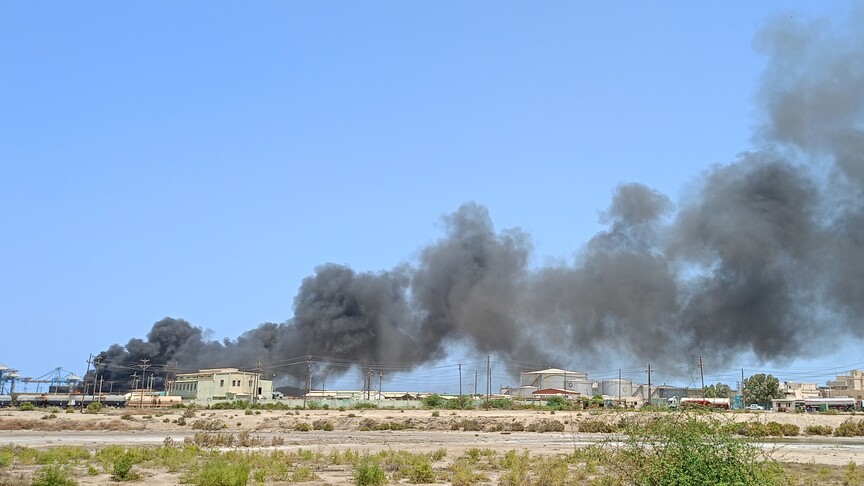

Iran War: IRGC Adviser Says Tehran Can Sustain Missile Strikes for Years
An IRGC adviser stated that Iran is producing more missiles daily than it is firing in the ongoing Iran war with the United States and warned that if its missile stocks were exhausted, Tehran would become even more dangerous by targeting American economic interests worldwide. [1]
IRGC Adviser Outlines Strategy of Prolonged Attrition
Naqdi was explicit about the logic of extending the conflict to establish deterrence against future U.S. attacks. He said the goal is to inflict enough pain on the United States during this conflict that any future administration thinks twice before launching a similar campaign. [1] Naqdi stated that one way to achieve this is to prolong the war and impose attrition so that anyone who considers attacking Iran knows there will be a price to pay. [1] Iran claims it is winning but not finished, with Naqdi saying the country's current assessment of the Iran war is that it is prevailing though it has not yet achieved its ultimate objective. [1] He also said the conflict had provided Iranian forces with valuable experience fighting the U.S. military and that the enemy had turned out to be less formidable than expected. [1]
Missile Production Exceeds Usage
On Iran's capacity to sustain the fight, Naqdi made a striking claim that the country is producing more missiles each day than it is firing. [1] He said manufacturing was distributed across multiple locations making it difficult to disrupt and that Iran could continue launching rockets for years if the war continued. [1] This distributed production model supports the assertion that Iran can sustain missile launches over an extended period without running out of supplies in the near term.
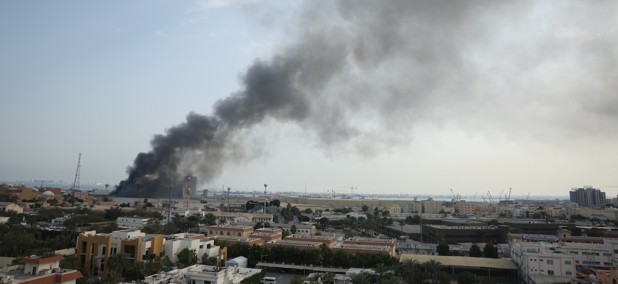
IRGC adviser discusses Iran's missile production and prolonged attrition strategy against the US. — Source: defenseone
Warning of Greater Danger Without Missiles
Naqdi then issued a warning that appeared to reframe the threat entirely. [1] He said if there comes a day when Iran has no more missiles left that is when it will be even more dangerous for America. [1] Asked how Iran could become more dangerous without missiles he replied that America has thousands of economic interests throughout the world and all of them can be easily destroyed. [1] He did not specify which economic targets he was referring to or what methods Iran might use to strike them.
Iranian Attacks on U.S. Space and Radar Assets
Iran’s deliberate targeting of U.S. radar systems during the conflict shows that the military has to change the way it protects key space assets on the ground. [2] Iranian drone and missile attacks after the initial U.S.-Israel joint strikes reportedly damaged multiple radar sites. [2] One U.S. Army Space and Missile Defense Command soldier Army Staff Sgt. Benjamin Pennington was killed in the March 1 attack on Prince Sultan Air Base in Saudi Arabia. [2] Smoke rises after Iran launched a missile attack targeting the headquarters of the U.S. Navy's Fifth Fleet in Manama Bahrain on February 28 2026. [2] While Iran was never a substantial threat to U.S. assets in space they scored major hits from the ground. [2]
{IMAGE_3}
U.S. Space Command Assesses Lessons Learned
U.S. Space Command’s leader said the loss of life and key technology in the war highlight the military’s need to improve the way it protects key space assets. [2] Gen. Stephen Whiting the head of U.S. Space Command stated that if you have fixed infrastructure it will be targetable and if your opponents have over-the-horizon fires whether ballistic missiles or one-way attack drones you will be at risk. [2] He added that the defense work done so far must continue to evolve because the threats are rapidly improving as well. [2] Whiting stressed that adversaries are taking note of how they can harm military operations by targeting space and missile defense targets and that this is only going to grow in future conflicts. [2] He said Iran is a medium-size military power and they are choosing to fire at space and missile defense targets. [2] When bullets cost so much you take great care with your aim and only shoot at your adversary’s most valuable targets which right now are the forces and capabilities represented in this room. [2] Whiting said it used to be that the enemy would aim their snipers and sharp shooters at a platoon leader or radio operator but nowadays adversaries shoot at the space and missile defense units which are deployed inside their weapons engagement zone. [2]
Implications for Future U.S. Basing and Hardening
Potential changes to U.S. basing patterns in the Middle East will take time and money and are likely to be heavily debated between Congress and the military. [2] The wait will be costly because the longer U.S. troops remain within range of Iranian missiles the more the United States will pay in readiness deterrence and lives. [2] Defense experts have called for hardening existing structures on bases in the interim. [2] Some military leaders do not support increased investment in that type of protection. [2] Gen. Kenneth Wilsbach the Air Force chief of staff said he does not want to spend a lot of money on hardening shelters describing it as economically inefficient and calling for either simpler methods for protecting against drones or increased systems to destroy incoming rounds. [2] Whiting said the Iran war has shown how the nature of warfare is changing. [2]
What to watch next: U.S. Space Command will continue to evolve protection of fixed infrastructure as threats improve rapidly while debates over hardening versus other defensive investments are expected to shape future basing decisions in the region.