
Iran War Escalates as US Launches Strikes on Bandar Abbas Infrastructure
The United States and Iran have resumed full-scale conflict with repeated strikes and counterstrikes focused on the Strait of Hormuz a month after signing a memorandum of understanding intended to produce a negotiated settlement on nuclear and missile programs, sanctions, and shipping access.
Collapse of the June 17 Memorandum
Thirty days after the U.S. and Iran entered a two-month negotiating period, the first half of that period has been marked by repeated Iranian attacks on commercial vessels, hundreds of U.S. strikes on Iranian military targets and retaliatory missile and drone attacks across the region, and President Donald Trump declaring the ceasefire over. [2] Friday marks the halfway point of the 60-day window established under the June 17 memorandum of understanding between the U.S. and Iran, which called for negotiations for Iran’s nuclear and missile programs, sanctions and freedom of navigation through the Strait of Hormuz. [2] The Trump administration withdrew a temporary waiver allowing Iran to sell oil and restored a naval blockade that had been lifted after the memorandum was signed. [2] The administration revoked that authorization less than three weeks later after Iran attacked three commercial vessels transiting the Strait of Hormuz. [2] A U.S. official said at the time that the agreement was entirely performance-based and warned that Iran would receive benefits only if it demonstrated good behavior. [2]
US Military Campaign Expansion
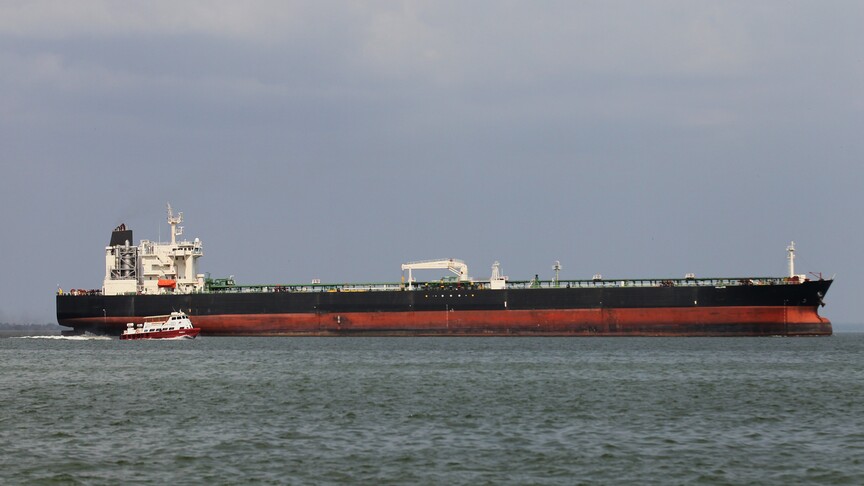
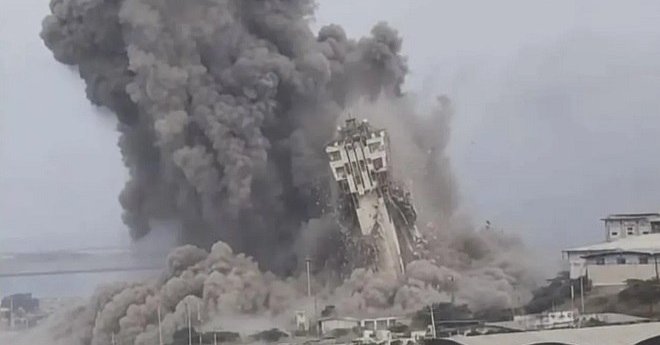
The fighting resumed within days of the agreement and accelerated sharply in early July after Iran attacked commercial vessels in the Strait of Hormuz. [2] CENTCOM said U.S. forces subsequently struck more than 300 Iranian targets over three nights, including air defenses, missile and drone sites, coastal radars and naval capabilities. [2] The sixth consecutive night of U.S. strikes marked a new phase in the campaign, with roads, bridges and military bases around Bandar Abbas among the targets. [2] The strikes were aimed at cutting Islamic Revolutionary Guard Corps forces off from resupply routes and further isolating them around the strategic port city, which is central to Iran’s ability to exert control over the Strait of Hormuz. [2] The U.S. also reinstated its blockade of Iranian ports and disabled the Curaçao-flagged tanker Belma after CENTCOM said it ignored warnings while sailing toward Iran’s primary oil-export terminal. [2] Trump threatens massive strikes on Iran, and the U.S. military launches new wave strikes on Iranian coastal defense systems and cruise missile storage sites to degrade capabilities and prevent attacks in the Strait of Hormuz. [2]
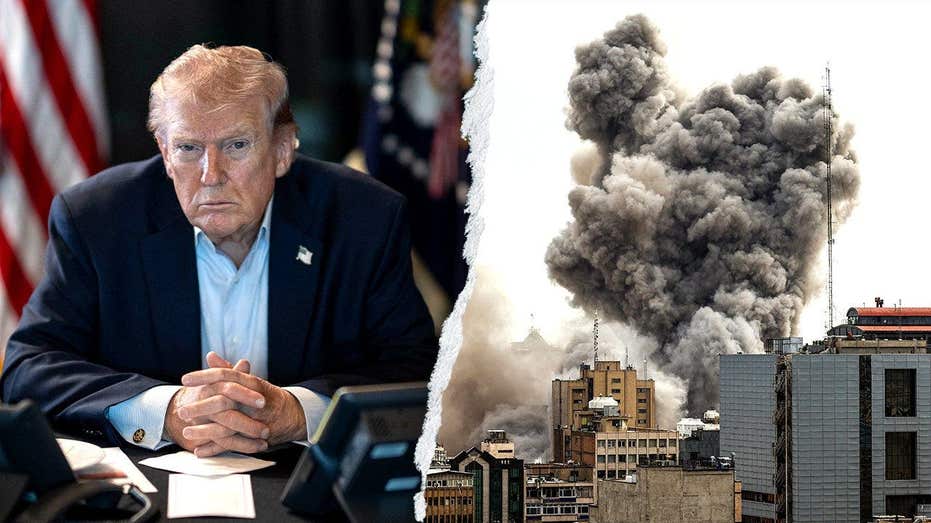
President Trump speaks as US Iran ceasefire collapses into renewed strikes on Strait of Hormuz targets. — Source: foxnews
Iranian Retaliation Across the Region
Iran has responded with missile and drone attacks against countries hosting U.S. forces across the Gulf. [2] On Friday, an Iranian strike damaged a major power and desalination plant in Kuwait, while Qatar, Bahrain and other regional states reported additional incoming attacks. [2] Iran’s powerful Revolutionary Guards also said they had targeted US radar systems and military aircraft in Qatar to punish the aggressor, with Doha saying it had intercepted a missile attack. [3] Iran’s Guards also said they had attacked two US radar sites in Oman as well as the Al-Tanf military base in Syria. [3] In Bahrain, Tehran targeted US helicopters and planes at an airbase, Iranian state media reported, with the tiny island nation urging citizens to take shelter. [3] A senior Iranian military spokesman called for the US to withdraw from the region, saying we will never back down over the Strait of Hormuz, state TV reported. [3]
Casualties, Civilian Impact and Media Controls
Iran’s health ministry said Friday that at least 38 people had been killed and more than 400 injured in the country since fighting resumed. [3] Iran accused US forces of hitting civilian and energy infrastructure on Friday including an airport, a railway station and two bridges, with state media reporting at least eight dead and 20 wounded in overnight attacks. [3] The Iranian energy ministry on Friday told citizens to reduce their electricity use and switch off air conditioners in peak hours after the power grid came under strain from what it said were US strikes on energy facilities in the south. [3] A confidential directive from Iran’s Supreme National Security Council instructed media publishers and editors to limit reporting on damage to civilian infrastructure as the United States reportedly prepares to widen the Iran war. [1]
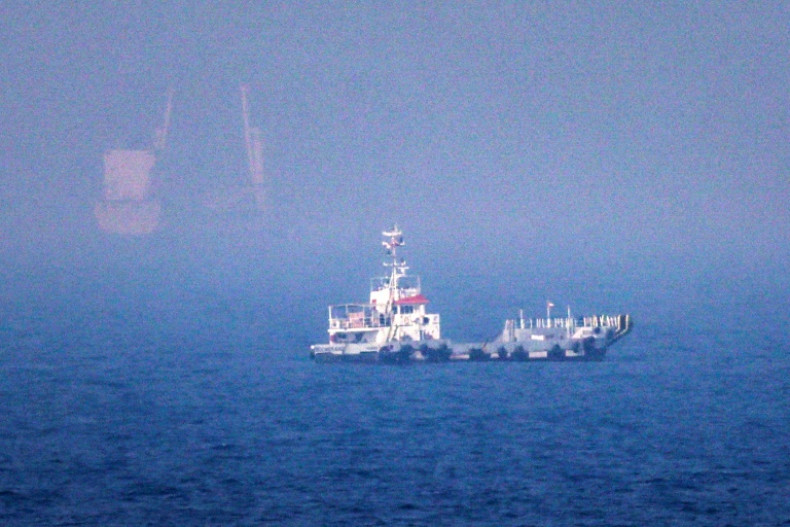
US and Iranian forces exchange strikes targeting infrastructure near the Strait of Hormuz. — Source: bangkokpost
Diplomatic Overtures and Regional Repercussions
Trump said Thursday that Iran had made a fresh overture to the U.S. [2] We received a call just as I was coming here, and they want to meet, Trump said during a Fox News interview Thursday. [2] They don’t like what we’re doing, and they do want to settle, he added in remarks later that day. [2] White House Press Secretary Karoline Leavitt told reporters on Thursday that Trump would hold Iran accountable for going back on its word, but said he is always open to diplomacy at the very same time. [3] China and Pakistan’s foreign ministers called Friday for the US and Iran to stop fighting and resume talks, according to a statement following a meeting in Shanghai. [3]
Economic Fallout in the Region
The ongoing war in the Gulf has further reduced foreign investment in Pakistan, with Bahrain withdrawing its investments from domestic bonds within the first 10 days of the current fiscal year. [5] The State Bank reported on Thursday that there was no inflow of foreign investment into the domestic market during the first 10 days of 2026-27, particularly from the Gulf states. [5] The UAE immediately withdrew $3.5bn held in the State Bank of Pakistan’s account; Saudi Arabia replaced this amount to help Islamabad avoid a current account imbalance. [5] The latest data showed a net outflow of $30m from domestic bonds, with no investment recorded from the Gulf countries. [5] The only withdrawal came from Bahrain, one of the main targets of Iranian retaliation, as the US maintains a significant military presence there. [5] Bahrain withdrew $21m from the T-bills and $9m from Pakistan Investment Bonds. [5]
What to watch next: Mediators have attempted to bring both sides back to the negotiating table while the U.S. continues to rely on military and economic pressure in an effort to bring Iran back to substantive negotiations before the 60-day window closes.