
Iran Tensions Rise as Trump Demands War Reparations From Tehran
Iran tensions have intensified as the United States and Iran exchange demands for war reparations while negotiations over reopening the Strait of Hormuz remain stalled amid mutual conditions.
Trump Demands Iranian War Reparations
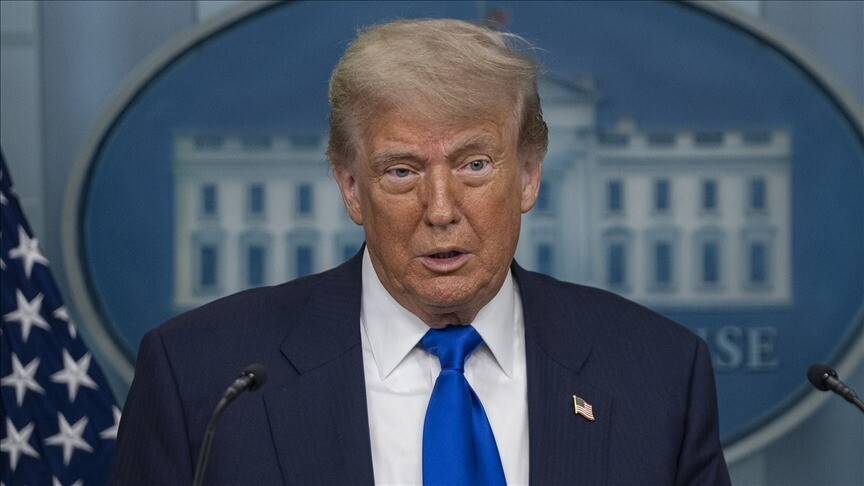
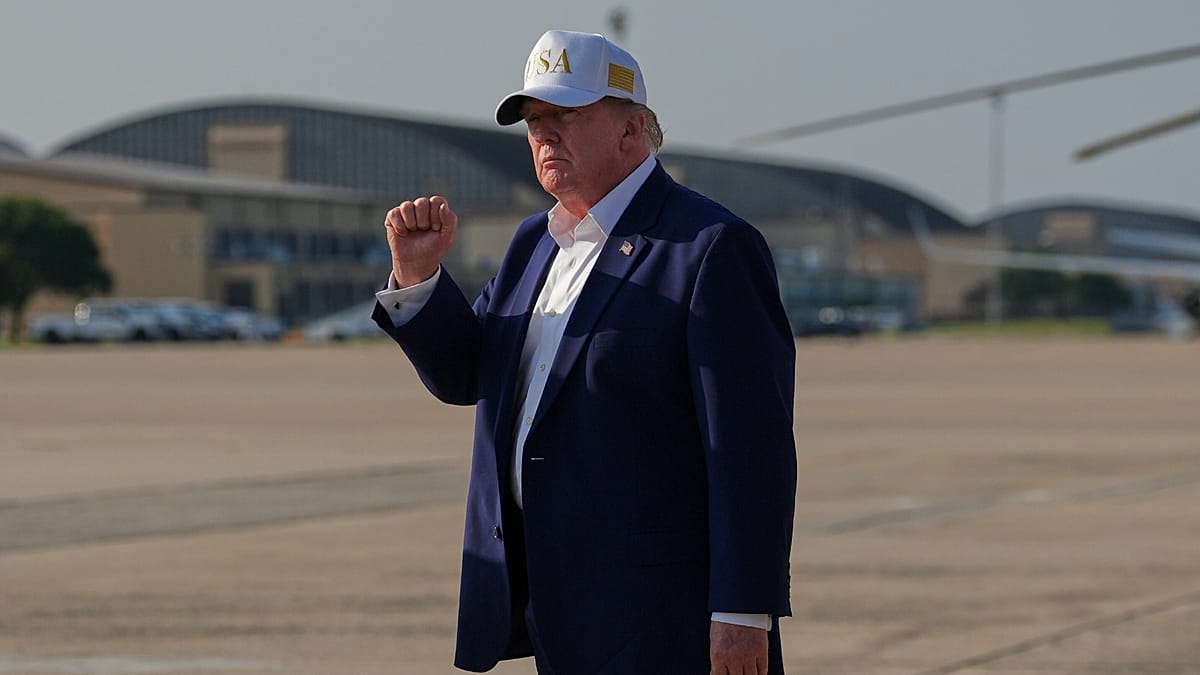
Donald Trump has stated that Washington will seek reparations from Iran for victims and damages as part of any future peace agreement. [1] The request responds to Iran’s own position that payment of war reparations by the United States forms one condition for resolving the conflict. [1] Trump indicated the American demand would cover not only damages from the current war but also attacks on U.S. targets, support for armed groups in the Middle East, and repression of internal protests in Iran. [1] In a subsequent message, Trump expanded the scope to include victims and damages from conflicts in Lebanon, Syria, Yemen, and Gaza, saying the requests for compensation would be inserted firmly into any future negotiations with Tehran. [1] Trump also cited the 2000 attack on the USS Cole in Aden, Yemen, while noting he had previously claimed Iran was probably involved even though the attack was attributed to al-Qaeda. [1]
Iran Conditions Hormuz Reopening on U.S. Concessions
Iran has stated that full reopening of the Strait of Hormuz is not automatic and requires an end to the U.S. naval blockade of Iranian ports, lifting of oil sanctions, and payment of reparations for damages suffered during the war. [1] Oman-mediated talks have produced contacts on safe shipping corridors, yet Tehran distinguishes these from complete reopening of the strait, which remains tied to the concessions it seeks from the United States. [1] Iranian Foreign Ministry spokesman Esmaeil Baghaei said fees should be charged for maritime services provided in the Strait of Hormuz. [2] Baghaei made the remarks at a weekly press conference on Aug. 10, 2026, in response to questions about negotiations with Oman on a new route in the waterway. [2] He added that the discussions between Iran and Oman are being held smoothly and constructively, with mechanisms to be established for safe shipping, environmental issues, maritime services, and combating crimes. [2] Under a potential agreement, existing northern and southern routes would be replaced temporarily by an intermediate one until Iran and Oman agree on a new traffic separation scheme. [2] Baghaei attributed the closure of the Strait of Hormuz to U.S. and Israeli military aggression against Iran and said reopening hinges on elimination of the conditions imposed on Iran. [2] Iran is not negotiating directly with the United States but continues to exchange messages through mediators. [2]
Iran Appoints New Military Leadership
Supreme Leader Mojtaba Khamenei appointed six senior military commanders, including Ali Abdollahi as chief of staff of the armed forces and Ahmad Vahidi as commander-in-chief of the Islamic Revolutionary Guard Corps, promoting Vahidi to the rank of major general. [3] Kioumars Heydari was named deputy chief of staff, Mostafa Izadi deputy IRGC commander, Ali Azmaei commander of the IRGC Navy, and Hossein Taeb commander of the Basij. [3] Abdollahi had previously led the Khatam al-Anbiya headquarters tasked with coordinating Iranian military operations. [1] Vahidi was instructed to maintain readiness for powerful offensive operations against the enemy. [3] Abdollahi was tasked with completing integration of the General Staff into the Khatam al-Anbiya wartime joint command. [3] Several of the appointees have faced U.S. or European sanctions or allegations tied to terrorism and violent crackdowns. [3] Vahidi is the subject of an Interpol Red Notice requested by Argentina over alleged involvement in the 1994 AMIA bombing in Buenos Aires that killed 85 people. [3] Taeb is on the U.S. Treasury Department sanctions list for human rights abuses following the 2009 presidential election. [3] Heydari was sanctioned by the United States in 2022 over involvement in the response to November 2019 protests. [3] Analysts interpret the timing and language of the decrees, which blame deaths of predecessors on the Zionist-American enemy, as signaling preparation for prolonged confrontation rather than settlement. [3]
Negotiations Face Mounting Obstacles
The paradox of the negotiations is that Washington and Tehran discuss conditions to end the war yet continue to raise the price of any agreement. [1] Iran seeks an end to sanctions, withdrawal of U.S. military pressure, and reparations for damages suffered, while Trump responds by demanding that Tehran pay for victims and damages linked to decades of conflicts and repression. [1] Trump had previously threatened to strike Iran very hard and even evoked possible attacks on civilian infrastructure before later suggesting an agreement was near and speaking of the need to lower tones. [1] The request for reparations introduces another variable and risks transforming the confrontation over Hormuz reopening into a much broader contest in which both sides demand compensation from the other. [1] The closure of the strait has driven up global energy prices and created domestic political pressure on Trump ahead of U.S. midterm elections in November. [1]
Context of Ongoing Conflict and Leadership Changes
The military reshuffle follows a series of U.S. and Israeli strikes that killed senior Iranian figures. [3] Ayatollah Ali Khamenei, supreme leader since 1989, was killed in a Feb. 28 strike at the start of the war. [3] Mojtaba Khamenei was selected as the new supreme leader in March. [3] Ali Larijani, then secretary of the Supreme National Security Council, and Gholamreza Soleimani, Basij commander, were killed in strikes on March 17. [3] Questions continue about Mojtaba Khamenei’s health and public absence since he has not appeared publicly since March and is believed to have been wounded in the Feb. 28 strike. [3] President Masoud Pezeshkian claimed he held a nearly seven-hour meeting with Khamenei, only the second such meeting publicly disclosed, during which they discussed economic conditions, sanctions, and domestic challenges while Khamenei emphasized unity and cohesion. [3] The IRGC Intelligence Organization and its counterintelligence arm have no announced chiefs, and Iran has no permanent defense or intelligence ministers. [3]
What to watch next: Iran and Oman negotiators are finalizing coordinates of a proposed shipping route through Hormuz while the new military command structure is institutionalized, with the future of talks scheduled under the June 18 memorandum of understanding remaining uncertain after last month’s escalation.