
Iran Tensions Rise as Trump Demands Compensation and Keeps Massive Escalation on Table
US President Donald Trump demanded compensation from Iran for deaths and injuries blamed on Tehran while stating that massive escalation against Iran remains an option, as hopes for reopening the Strait of Hormuz fade and Iran consolidates its security leadership with IRGC veterans. Iran tensions have intensified with these developments, including new conditions added to talks and appointments signaling continued resistance.
Trump Demands Compensation From Iran
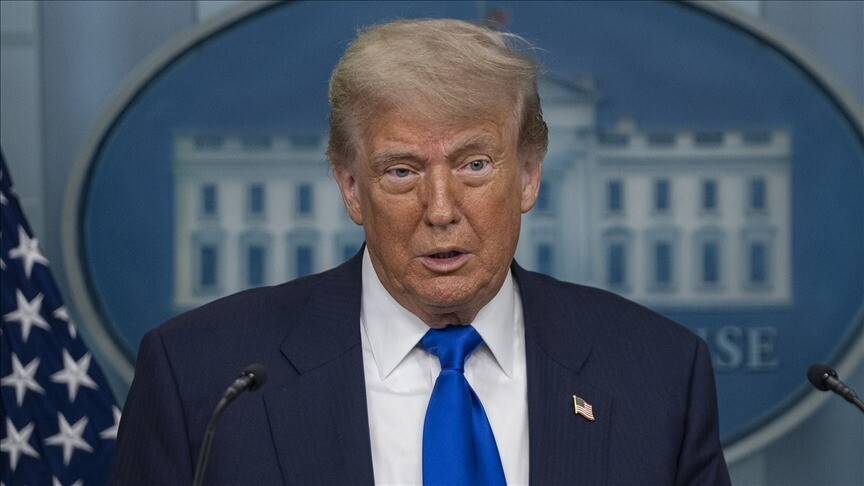
US President Donald Trump on Monday demanded that Iran compensate the victims of attacks, conflicts and domestic repression he blamed on Tehran, adding a new condition to negotiations over reopening the Strait of Hormuz. [2] The demand came after Iran reiterated that Washington must compensate it for damage caused by more than five months of US and Israeli strikes before the strategic waterway can be fully reopened. [2] Trump wrote on social media that he was likewise demanding compensation from Iran for all of the people that they have killed and gravely wounded with their roadside bombs and many conflicts. [2] He stated that he had instructed his representatives to put this firmly into any and all future negotiations. [2] Trump also called for compensation for the families of people killed during anti-government protests in Iran and those killed in the October 2000 bombing of the USS Cole in Yemen. [2] The new US demand had not been raised in previous talks. [5] Trump said it would be included in all future negotiations with Iran and would include payments to the families of hundreds of thousands of protesters he said had been killed by Iranian authorities. [5] He also said Iran should compensate families of those killed on the USS Cole, referring to the October 12, 2000 attack on the US Navy vessel in Yemen that killed 17 American sailors. [5]
Massive Escalation Remains an Option
Trump says massive escalation against Iran remains an option. [1] He stated that the US has that certain ability if it wants to do that. [1] President Donald Trump is signaling, at least for now, he is prepared to let mounting economic pressure on Iran do more of the work rather than immediately expand military action against Tehran. [4] Trump told Axios that the US is only semi-negotiating with them and is just watching Iran with its huge inflation and the fact they have no money. [4] Axios reported that Trump described the US approach as low-keying it and said Iran was in severe economic distress and struggling to pay its troops. [4] Trump has argued that the US naval blockade on the Strait of Hormuz has compounded Iran’s financial crisis. [4] A US official told Fox News Digital that President Trump has always been clear that he will never allow Iran to have a nuclear weapon and that while he has been consistent in saying he prefers a diplomatic solution, he continues to retain all options if Iran continues to engage in terrorism and refuses to make a deal. [4] The official added that the United States is strangling what’s left of Iran’s economy with one of the most successful naval blockades in history and that Iran would be wise to make a deal otherwise they know what will happen. [4]
Iran Appoints IRGC Veterans to Key Security Roles
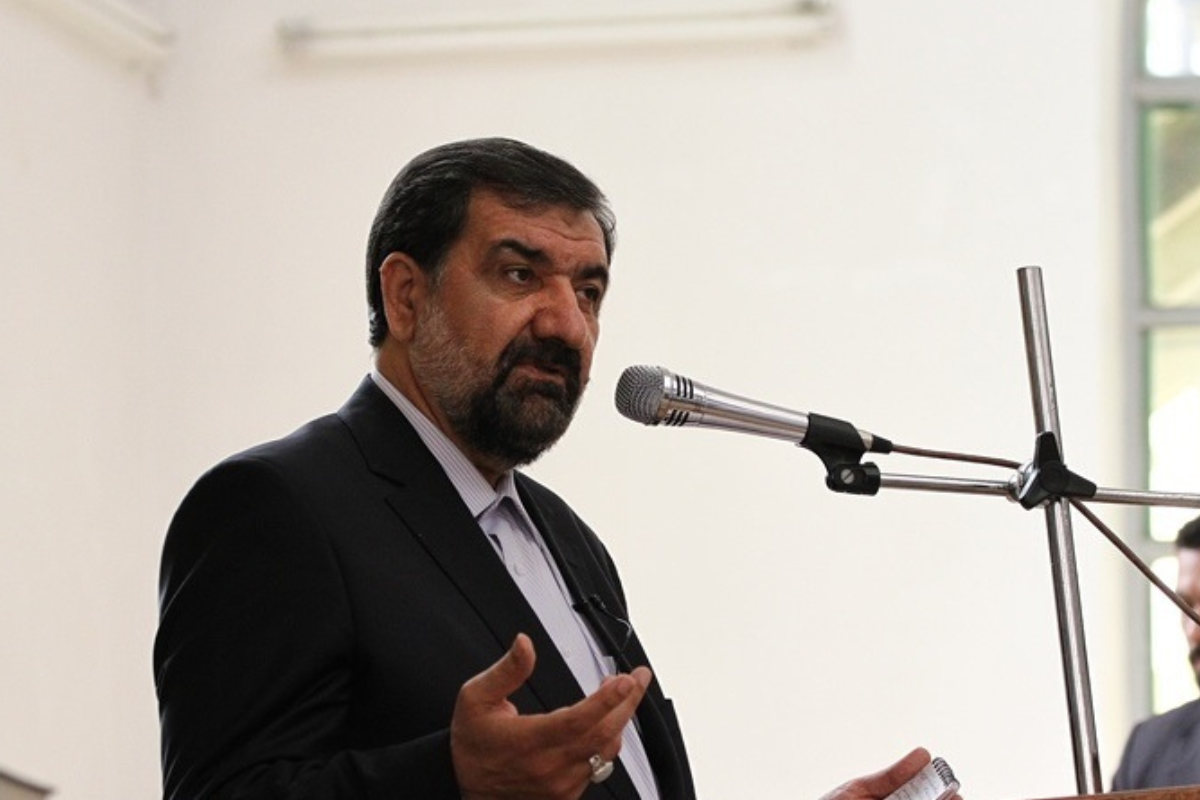
Tehran announced a series of new appointments in key positions, including the naming of a former wartime commander and longtime political insider to helm the country’s top security body. [3] Mohsen Rezaee, who was commander-in-chief of the Islamic Revolutionary Guard Corps for 16 years including during years of war with Iraq in the 1980s, was named secretary of the Supreme National Security Council and the supreme leader’s representative in the top decision-making body on Sunday. [3] Six new military positions were also officially filled, with Ali Abdollahi appointed as the new chief of staff of the armed forces and Ali Ozmaei named as the head of the IRGC Navy. [3] Brigadier General Ahmad Vahidi was also confirmed as commander-in-chief of the IRGC with the rank of major general, officially succeeding Mohammad Pakpour who was killed during the opening salvo of the US-Israel war on Iran in late February. [3] Sina Azodi said the appointments signalled no softening in negotiations with the United States and that there is little question that the leadership all share the view that continued resistance to the US is strategically necessary. [3] Azodi added that Rezaee brings deep institutional experience and considerable authority among both senior IRGC commanders and the rank-and-file and that his appointment appears intended to strengthen internal cohesion. [3] Rezaee expressed opposition to the memorandum of understanding signed with the US in June which temporarily lifted a naval blockade and suspended oil sanctions to reopen the Strait of Hormuz. [3] He argued that his position was closer to that of the supreme leader who ended up approving the MoU despite stated reservations. [3]
Economic Pressure Mounts on Tehran
Trump reinforced the message on Truth Social writing that Iran had shown 51 years of bad behaviour while sharing a graphic depicting the Iranian rial’s steep decline. [4] The economic pressure is increasingly visible in the daily lives of ordinary Iranians with an investigation describing supermarket workers encountering customers who allegedly shoplifted basic groceries including bread, cheese and meat or ate packaged food inside stores because they could no longer afford it. [4] Under what the Treasury Department calls Economic Fury the administration has targeted Iran’s oil trade, shadow banking networks, weapons procurement operations, cryptocurrency holdings and sanctions-evasion infrastructure. [4] Treasury said the campaign had prevented tens of billions of dollars in revenue from being accessible to the Iranian regime and its proxies. [4] A Treasury spokesperson said Economic Fury has left the regime desperate for cash and that Iran’s economy is in freefall, inflation has skyrocketed and the regime’s ability to pay its troops has been decimated. [4] Miad Maleki said sanctions and the war have accelerated Iran's economic decline but both are consequences of the regime's own troublemaking. [4] Maleki added that it is a government's basic responsibility to provide for and serve its nation and this regime has instead served a failed revolutionary ideology that has produced nothing but suffering for ordinary Iranians. [4]
Hormuz Reopening Hopes Fade Amid Tensions
The Strait of Hormuz through which around a fifth of global oil and liquefied natural gas supplies passed before the conflict has been effectively blocked since the US and Israeli attacks on Iran began on February 28. [5] Iran said it was close to reaching a final agreement with Oman on new shipping lanes through the Strait of Hormuz but that the US would first have to meet conditions including compensation an end to sanctions and an end to military threats before the waterway could be reopened. [5] Oil prices rose sharply after Iranian Foreign Ministry spokesman Esmaeil Baghaei outlined Tehran’s conditions with Brent crude trading more than 4 per cent higher. [5] Dutch and British front month gas prices also rose by more than 10 per cent. [5] Washington and Tehran agreed to a ceasefire in June but the US imposed a new blockade on Iranian shipping in the Gulf in July. [5] Iran said the move violated the truce which had already broken down. [5] Iranian attacks on shipping around the Strait of Hormuz have coincided with increased attacks by the Houthis against vessels around the Red Sea and Gulf of Aden. [5] The Houthis declared a naval blockade against Saudi Arabia in the Red Sea last month saying it was in response to what they described as a Saudi siege in Yemen. [5] Riyadh denied the allegation. [5] Fighting has also intensified between the Houthis and Yemeni government forces with Yemen’s military saying seven people including military personnel and civilians were killed in a Houthi attack on the Red Sea port city of Mocha. [5]
Reactions and Strategic Implications
An official with the IRGC’s Basij paramilitary organisation said state media will soon release new pictures from the supreme leader taken after the war to disprove claims by the US and Israel that he may have been badly wounded in the same February 28 strikes that killed his father and other top commanders. [3] The state-linked Mehr news service recirculated old and undated video from the supreme leader showing him speaking to a handful of clerics and followers during a meeting. [3] President Masoud Pezeshkian said he recently had a seven-hour meeting with the supreme leader when the supreme leader emphasised unity. [3] According to an editorial by Nournews Rezaee’s appointment signalled the beginning of a broader strategic restructuring suited to Iran’s new wartime circumstances. [3] Vahidi said Rezaee’s presence in the council can advance a strategic coordination between the field of battle and diplomacy as well as economic and political security with an approach of resistance and hope-inducing governance. [3] The Ministry of Foreign Affairs also congratulated Rezaee but said it was important to note the significance of institutions in the Islamic Republic and that the whole world has clearly seen over the past year-and-a-half that the country is a country of institutions not individuals. [3] Israel reacted harshly to the appointment pointing out that Rezaee along with Vahidi is subject to an Interpol Red Notice for his alleged role in the 1994 bombing of a Jewish centre in Argentina’s capital Buenos Aires which killed 85 people. [3] Israel’s Ministry of Foreign Affairs said the Iranian regime worships terror rewards its architects and promotes them to the highest levels of power. [3]
What to watch next: Rezaee has said the US must change its behaviour or face serious risks and casualties to its forces and that Iran will never permit the opening of a second corridor in the Strait of Hormuz.