Iran Tensions Rise After Trump Counters Reparations Call With Own Demands
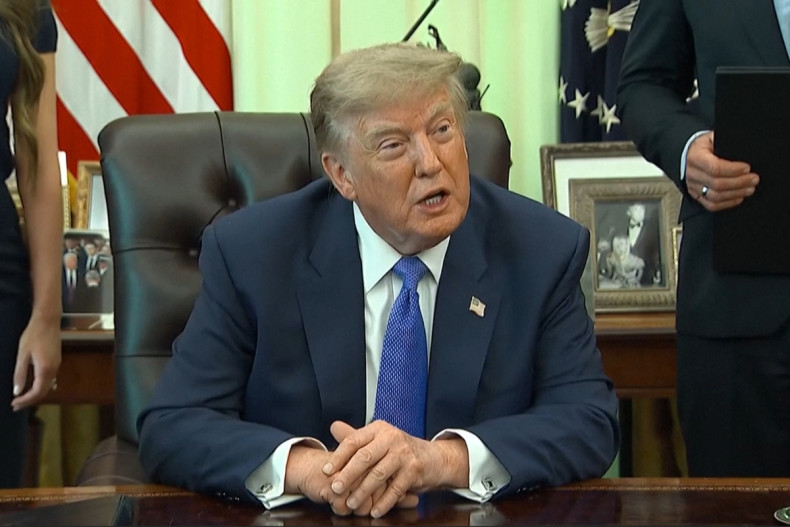
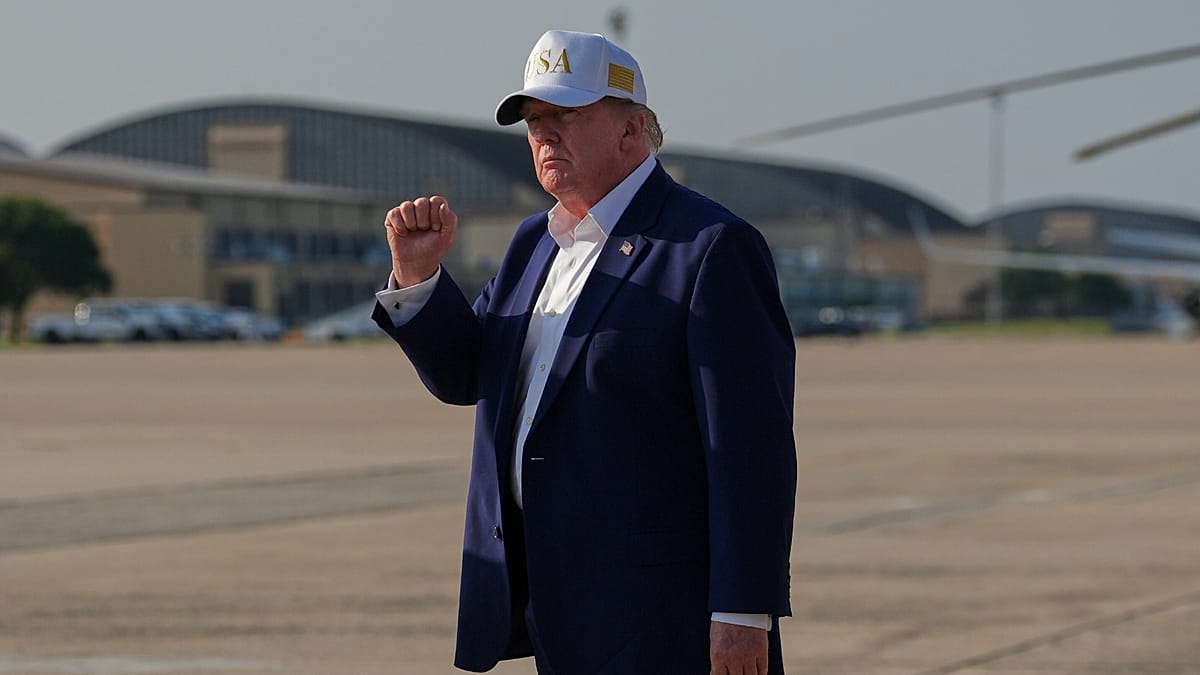
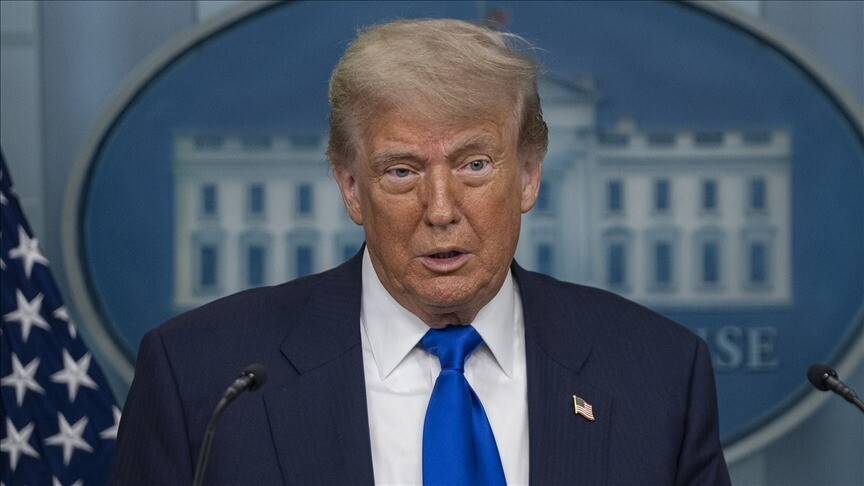
US President Donald Trump demanded on August 10 that Iran pay compensation for damages and deaths it has caused over decades, complicating ongoing talks to reopen the Strait of Hormuz that Iran has conditioned on receiving US war reparations and sanctions relief. The escalation has intensified Iran tensions as both sides exchange demands tied to the blocked waterway.
Trump’s Compensation Demand
Trump framed his demand as a response to Iran’s call for reparations, stating the US would seek payment for 50 years of damages including deaths of US forces, Iranian protesters, and people in Lebanon, Syria, Yemen, and Gaza. [3] He told reporters at the White House on Monday that his administration was going to seek payment for “50 years” of damages caused by Iran, framing the move as a direct response to Tehran’s claims. [3] Trump said the payments would cover deaths among US forces in the region as well as civilian protesters in Iran, claiming that 52,000 people have been killed in Iran in the past four months. [3] Tehran says some 3,117 people died in antigovernment protests that swept the country in January, prior to the launch of the US-Israel war. [3] The US-based Human Rights Activists News Agency (HRANA) in February reported about 7,000 deaths, including 6,500 protesters. [3] Trump also said Tehran should compensate families of the 17 US sailors killed in an October 2000 attack in Yemen on the USS Cole naval vessel, which has been blamed on al-Qaeda, not Iran. [3] He wrote in a Truth Social post that Iran should be responsible for the damages and death caused to the people of Lebanon, Syria, Yemen, and Gaza. [3] Trump said the abrupt new US demand would be included in all future negotiations with Iran. [4]
Iran’s Conditions for Reopening Hormuz
Iran has conditioned reopening the Strait of Hormuz on the US ending sanctions, military threats, and paying war reparations; the strait has been blocked since the US-Israel war on Iran began on February 28. [3] Tehran has said it will not open the Strait of Hormuz through which about a fifth of global oil and liquefied natural gas flowed before the US-Israel war on Iran unless Washington agrees to pay war reparations and end sanctions. [3] The Iranian demands were largely in line with the terms of an interim peace agreement signed in June, which has since broken down over a dispute on control over the strait. [3] Iran had earlier said it was nearing a final pact with Oman defining new shipping lanes between them through the Strait of Hormuz but repeated that the US must meet conditions, including compensation and an end to sanctions and military threats before the key waterway is reopened. [4] The strait has been effectively blocked since the US-Israeli attacks on Iran on February 28, pushing up oil prices and inflation. [4]
Progress and Obstacles in Iran-Oman Talks
Iran-Oman talks on new shipping lanes in the strait are progressing, with an agreement on a route map but technical issues remaining; Iran says US naval actions have made the passage unsafe. [3] Iranian Foreign Ministry spokesman Esmaeil Baghaei told state media on Monday that talks with Oman were progressing smoothly and constructively, with an agreement reached on a shipping route map, while some technical issues remained unresolved. [3] Baghaei said the discussions also covered services that would normally involve payment, such as safe navigation, environmental protection, maritime services and combating crime. [3] He added that the US’s continued hostile actions in the Strait of Hormuz have made the passageway unsafe and that Tehran considers Washington’s naval blockade of Iranian ports an act of aggression. [3] US Central Command said on Monday that it has redirected 55 commercial vessels since reinstating the blockade in July and disabled at least two. [3] According to Windward, a maritime intelligence firm, the blockade has resulted in a complete halt to Iranian oil exports from Kharg Island, located in the Gulf. [3] Shipping data firms said traffic in the waterway had dropped sharply over the weekend, with MarineTraffic reporting that crossings had gone down from 15 on Friday to 11 on Saturday, and six on Sunday. [3]
Iran Tensions and Market Impact and US Political Pressure
Trump’s remarks come amid a broken June ceasefire, a US naval blockade reinstated in July, sharply reduced shipping traffic, halted Iranian oil exports, and rising oil and gas prices. [3] Oil prices had jumped 3pc after the statement from Iranian Foreign Ministry spokesman Esmaeil Baghaei, as initial optimism about a potential deal over the strait was tempered by Iran’s talk of conditions. [4] Brent crude extended gains to trade up 4.25pc at 1720 GMT. [4] Dutch and British front-month gas prices rose more than 10pc. [4] Trump, who has said the attacks on Iran were aimed at keeping the Islamic Republic from developing nuclear weapons and degrading its ability to threaten the region, is under pressure to end a war that is deeply unpopular at home ahead of midterm elections in November. [4] Washington and Tehran agreed to a ceasefire in June, but the US reimposed a blockade on Iranian shipping in the Gulf in July, a move that Tehran said violated the truce, which by then had already broken down. [4] Charles Kupchan, a former special assistant to ex-US President Barack Obama, described Trump’s remarks about requiring compensation as banter and said both sides have strong incentives to reach a deal. [3]
Iran’s Response to Regional Security Pact
Iran downplayed a new Mecca Joint Defence Agreement between Saudi Arabia, Pakistan, and Turkey, saying it shows a regional shift toward self-reliance rather than reliance on outside powers. [2] Esmaeil Baghaei, Iran's foreign ministry spokesperson, said on Monday that Tehran saw no reason to be concerned that a new security pact is directed against Iran. [2] Baghaei said the pact showed a change in perception towards the US, as well as a shift in the regional approach to security. [2] He added that the agreement represented a shift towards greater reliance on the states' own capabilities rather than outside powers. [2]
Iranian Military Appointments
Iran’s supreme leader appointed new armed forces and Revolutionary Guard commanders. [5] Iran’s religious leader Mujtaba Khamenei on Monday appointed Revolutionary Guards General Ali Abdullahi as head of the country’s armed forces. [5] Khamenei also approved the new commander of the Revolutionary Guards. [5] Abdullahi previously headed the central command Hatemul Enbiya, which was responsible for coordinating operations between Iran’s different military forces. [5] Khamenei’s website stated that Major General Ali Abdullahi was appointed as Chief of Staff of the Armed Forces and Brigadier General Ahmad Vahidi was appointed as Commander-in-Chief of the Islamic Revolutionary Guards Corps with the rank of Major General. [5] These two names represent the first high-level military appointments made by Khamenei since he assumed religious leadership following his father’s death in US-Israeli strikes at the start of the war. [5]
What to watch next: Talks between Iran and Oman over the waterway continue with an agreement on a shipping route map but some technical issues unresolved, while the US naval blockade remains in place and shipping traffic has dropped sharply.