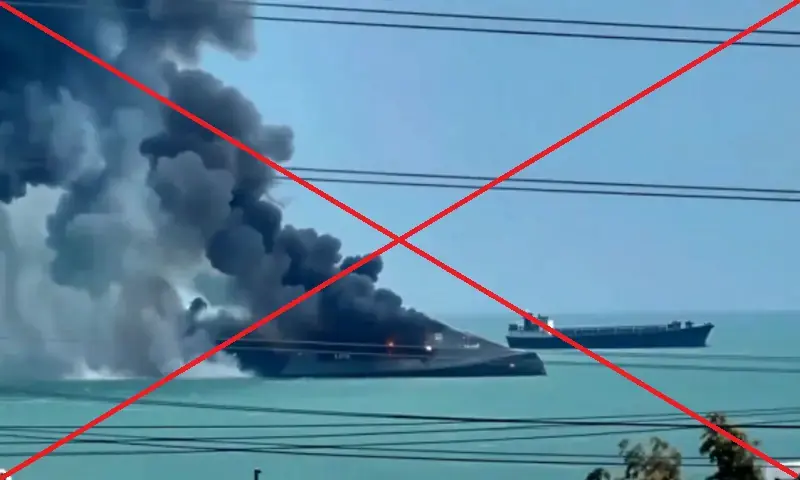
Iran tensions escalate as US airstrikes prompt retaliatory attacks on bases in Kuwait, Bahrain and Jordan
Iran tensions have intensified after the United States launched a new wave of airstrikes on Iranian targets, prompting Iranian retaliatory attacks on US military sites in Kuwait, Bahrain, Jordan and other locations, as the fragile June memorandum between the two sides collapsed over disputes regarding the Strait of Hormuz. [2]
US Launches Fresh Airstrikes on Iran
The United States conducted a new wave of airstrikes on Iranian targets. [1] These strikes hit command centers, air defense sites, missile and drone facilities, and coastal observation posts. [2] Additional targets included bridges in Bandar Hamir and a barracks in Bampur. [1] Iranian authorities reported that at least 35 people were killed, including seven soldiers, with more than three hundred wounded. [2] Iranian media described multiple explosions in coastal areas of the country following the strikes. [1] Iranian Foreign Minister Arakchi labeled the US attacks as war crimes. [1]
The strikes marked the first time since the signing of the memorandum that the United States carried out two major waves of airstrikes in a single day. [2] Targets also included locations such as Bandar Abbas and Greater Tunb island. [2] Iranian officials stated that the attacks violated nearly all articles of the June agreement within 25 days of its conclusion. [2]
Iranian Retaliation Targets US Bases
Iran responded with missile and drone strikes on US bases and infrastructure in Kuwait, Bahrain and Jordan. [1] Iranian forces targeted radar systems, communication infrastructure, fuel tanks and troop locations. [1] Specific strikes hit communication systems and fuel storage at the Al-Azraq airbase in Jordan using ballistic missiles. [2] Kuwait reported intercepting 25 hostile aerial targets including drones and missiles. [2] Jordanian forces downed eight Iranian missiles. [2] Bahrain activated its air defense systems and intercepted Iranian attacks. [2]
Iranian military statements confirmed the strikes were carried out in response to the latest US airstrikes. [1] The attacks formed part of a broader pattern of Iranian retaliation against US military infrastructure in the region. [2]
Collapse of the June Memorandum
The ceasefire broke less than a month after the June memorandum was signed. [2] The primary trigger involved Iranian attacks on three commercial vessels in the Strait of Hormuz followed by Iranian closure of the strait. [2] The United States then reinstated a naval blockade of Iranian ports. [2] The blockade had previously been in effect from April 13 to June 18, during which more than 140 vessels were redirected and nine ships were disabled. [2] In the first day after the renewed blockade, US forces disabled one oil tanker and redirected two vessels. [2]
Both sides accused each other of breaching the memorandum. [2] Tehran claimed the United States violated nearly all articles of the agreement. [2] The White House accused Iran of attacking shipping. [2] At a NATO summit, President Trump declared the pact with Iran terminated. [2] The head of the International Energy Agency, Fatih Birol, warned of oil supply security risks if the United States and Iran do not soon agree to increase oil transport through the Strait of Hormuz. [3]
Diplomatic Efforts and Mediation
Pakistan, which helped broker the original memorandum, called for an immediate end to retaliatory strikes and resumption of technical talks. [2] Pakistan served as the main mediator from the start of hostilities and hosted the first joint US-Iranian talks in decades in April. [2] Pakistan also helped draft and sign the Islamabad memorandum, after which further meetings occurred in Switzerland with Qatari and Pakistani mediation. [2] The Pakistani Foreign Ministry stated that implementation of the memorandum faces challenges but that Pakistan will continue encouraging the parties to stop violence and resume technical negotiations. [2]
Qatar and Oman remain involved in mediation efforts. [2] Iran had previously excluded the Hormuz question from the Pakistani mediation track, viewing it as a bilateral matter with Oman. [2] Sunday attacks on Qatar could affect its mediating role, though Doha has not indicated withdrawal from the process. [2]
Strain on US Munitions and Regional Defenses
US munitions stocks including THAAD, Patriot and Tomahawk interceptors have been heavily depleted after four months of conflict. [2] By April the Pentagon had expended at least half of its THAAD interceptors, nearly half of its Patriot interceptors and slightly less than one-third of its Tomahawk missiles. [2] Total US military costs reached between $80 and $100 billion, more than three times the officially acknowledged figure of around $30 billion. [2] This total includes $47 billion on armaments, $29 billion on military operations and $20 billion on replacement of destroyed assets. [2] Rebuilding damaged bases alone could exceed $30 billion. [2]
Replenishment rates remain low, with the Pentagon receiving approximately 15 new Tomahawk and 20 new Patriot missiles per month. [2] No THAAD deliveries are expected this year. [2] The administration requested $87.6 billion from Congress, including $21 billion for ammunition replenishment. [2] The Trump administration signed the Defense Production Act to accelerate output, yet expanding capacity takes time. [2] Estimates indicate one to four years will be needed to restore stockpiles to pre-war levels, assuming congressional funding is approved. [2] Gulf states operate layered air defenses using systems such as THAAD, Patriot PAC-3, NASAMS III, Aspide and Barak. [2] Interceptions proved effective, yet each intercept costs millions of dollars while Iranian Shahed drones cost roughly $30,000 each. [2]
What to watch next: Pakistan continues to urge an end to strikes and resumption of technical talks under the memorandum while Qatar and Oman maintain their mediation roles.