
Iran tensions halt Strait of Hormuz traffic after US strikes on southern coast
Iran tensions have escalated military actions in the Gulf this week, exchanging airstrikes, missiles and drones that have halted shipping through the Strait of Hormuz, while Iran released a detained US citizen and warned of further responses if the US strikes its power infrastructure.
Escalation in the Gulf
The United States conducted two waves of airstrikes on targets near Iran's southern coast on Wednesday, prompting Iranian missile and drone attacks on US bases in Jordan and Kuwait, including a major barrage on an expanded air base in Jordan. [2] Iran responded with missiles and drones fired at US military bases in neighbouring countries, including a major barrage at a recently expanded air base in Jordan. [2] The week of increasingly intense fire has tested the limits of escalation that both sides set during four months of fighting before last month’s truce. [2] US forces say their airstrikes have hit Iranian military targets along the coast to cripple its ability to control the strait. [2] Three US officials told Reuters that the US strikes could also serve as “shaping operations”, giving Trump more options by targeting Iranian military capabilities that the US would want to have destroyed before taking bigger steps. [2] “This is helping set the stage, if needed,” one of the officials said. [2] Iran said on Thursday it had targeted US bases in Kuwait and Jordan, including an air base in Jordan that Washington has upgraded in recent years into a regional headquarters. [2] It said the Jordanian base had been used to launch attacks on Iran, including one that struck a target in the city of Ahvaz, causing damage to a nearby children’s cancer hospital that had to be evacuated. [2] “Our neighbours should know that providing a base to the Americans and allowing them to fire on Iranian soil is unacceptable and will not go unanswered,” Iran’s army said. [2]
Strait of Hormuz Shutdown
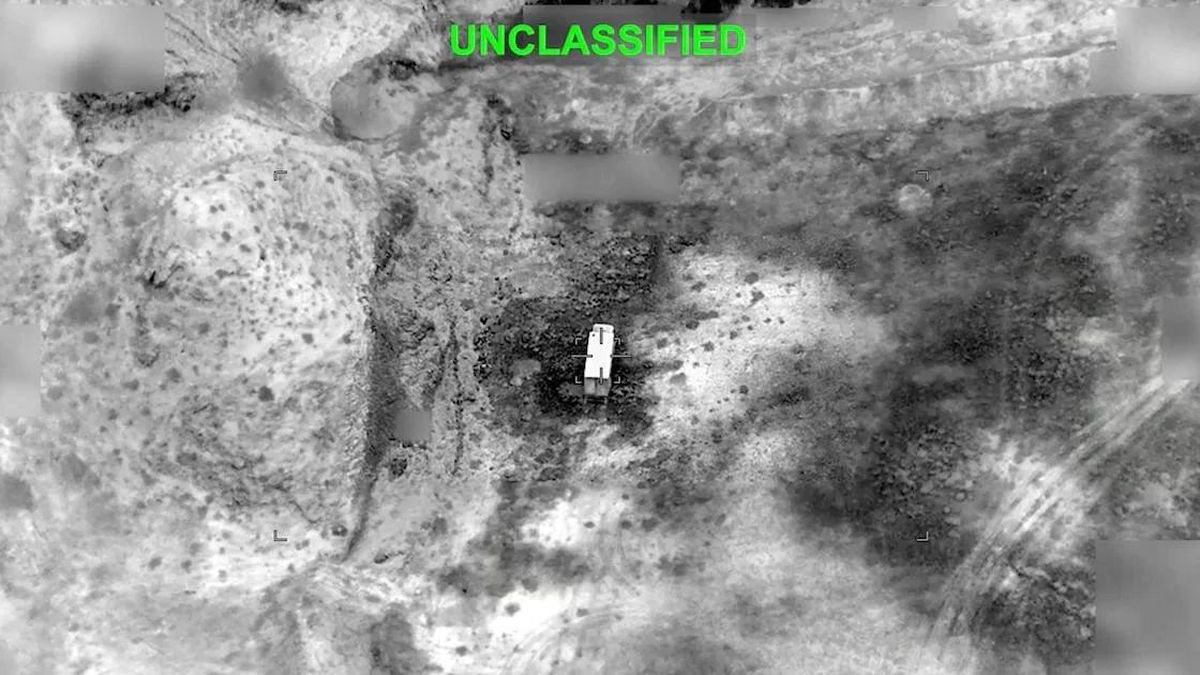
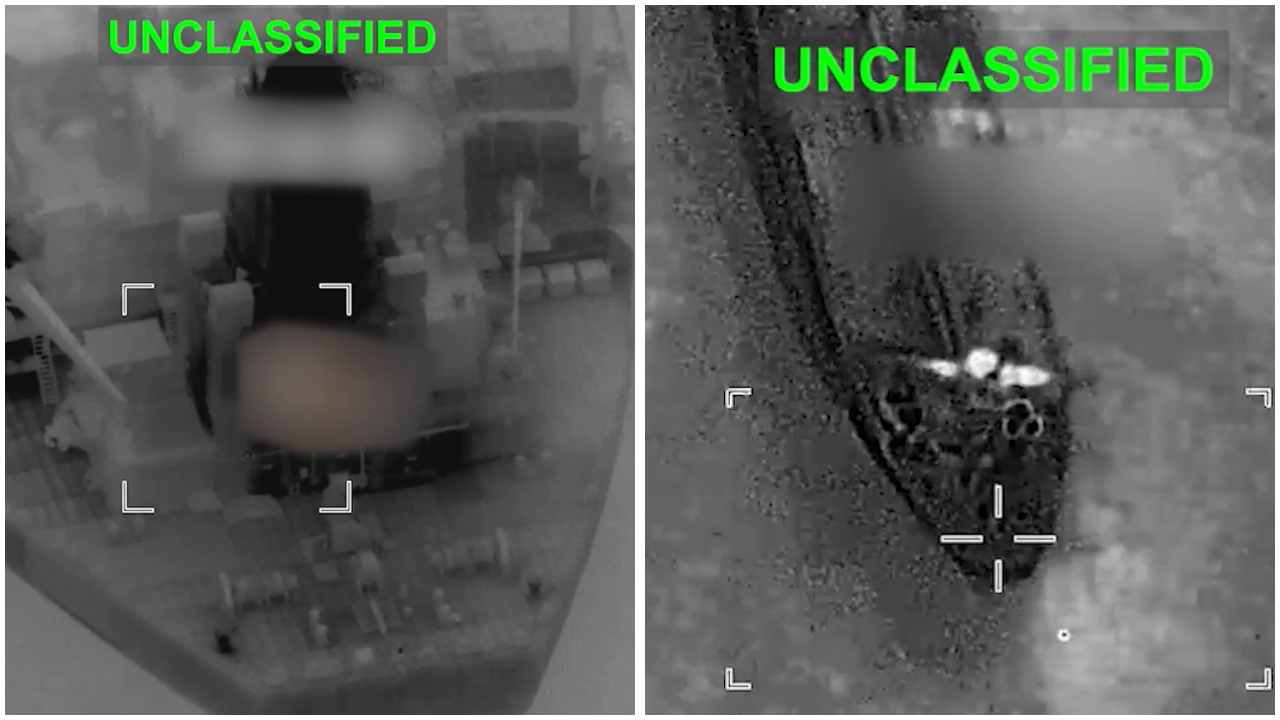
The re-escalation has once again nearly halted traffic through the Strait of Hormuz, the world’s most important shipping route for oil and gas, sending global energy prices shooting higher. [2] Iran triggered the renewed fighting last week by striking ships using a corridor in the strait outside its control, including a drone attack that caused a dangerous fire on board a Qatari tanker filled with liquefied natural gas. [2] Iranian sources have told Reuters that Iran’s aim was to establish its authority over the strait. [2] Iran wants all ships using the Strait of Hormuz to travel only through a channel close to its shores, and has made no secret that it intends to charge fees for passage at the end of a 60-day negotiation period set in last month’s memorandum. [2] Since last week’s flare-up, Iran has declared the strait closed. [2] The United States responded by reimposing its own blockade of Iran’s ports from Wednesday, including firing at an empty tanker in the strait it said was bound for Iran. [2] The US military said it fired Hellfire missiles into the tanker’s smokestack near Iran’s Kharg Island after it ignored warnings. [2] US forces say their airstrikes have hit Iranian military targets along the coast to cripple its ability to control the strait. [2] But Iran, which can hit ships with missiles and drones from afar, says its grip does not rely on such coastal bases. [2] “The Americans thought that by attacking some of our bases on the southern coasts of the country, they could take control of this strategic strait,” military spokesman Brigadier General Mohammad Akraminia said on Thursday. [2] Iran can “exert control over the Strait of Hormuz from every single point of its territory,” he added. [2]
Viral Video Fact Check
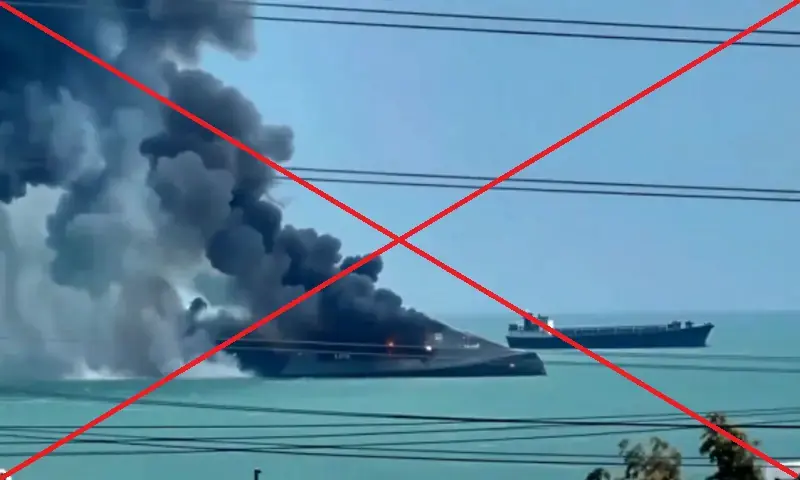
Multiple X users have been sharing a video on the social media platform since July 14, claiming that it shows the Iranian Navy destroying a ship in the Strait of Hormuz amid renewed hostilities in the Middle East. [1] However, the video is old and shows the US Navy destroying an Iranian Soleimani-class corvette vessel in the Persian Gulf. [1] On July 14, a pro-Iranian account, based on its display profile and past posts, shared a video on X, showing a ship engulfed in flames in the sea, claiming to have been attacked by the Iranian Navy in the Strait of Hormuz. [1] The post was captioned: “This ship was given clearance to pass the Strait of Hormuz by the US without even coordinating with the IRGC. It is now at the bottom of the sea after catching fire. For a safe passage through the strait, only the IRGC can give you clearance.” [1] The post attracted 3.8 million views. [1] Another pro-Iranian account, based on its display profile, shared the same video with the following caption: “Breaking video: Iran sinks ship in the Strait of Hormuz after the US gave it clearance to pass, sending a message to the world that only the IRGC controls the Strait of Hormuz.” [1] The post garnered 1.9m views on X. [1] A reverse image search of keyframes yielded a news article published on March 10 by Naval News, an independent and private media publication on covering global naval affairs. [1] The article with the same visuals was titled: “US Navy strikes another Iranian Catamaran Corvette”. [1] According to the news article, the US Navy struck Iran’s Shahid Soleimani-class missile catamaran corvette in the Gulf on March 8, 2026. [1] The corvette, identified as IRIS Haj Qasem, was struck while anchored off Bandar Lengeh. [1] Therefore, the claim that a viral video shows a ship recently destroyed by the Iranian Navy in the Strait of Hormuz is false. [1] The video is old and shows the US Navy destroying an Iranian Soleimani-class corvette vessel in the Persian Gulf. [1]
Threat to Red Sea Route
Iran has asked Yemen’s Houthis to stand ready to close the Red Sea oil route if the United States strikes Iranian power infrastructure, three sources told Reuters on Thursday, posing a potent new threat to global energy supplies. [3] The idea has been discussed within the Islamic Republic's leadership, and the message has been conveyed to Iran's Houthi allies, two senior Iranian sources and a regional source familiar with the matter said, speaking on condition of anonymity. [3] The sources said the Houthis had been informed recently of Tehran's request, which has not been previously reported. [3] A source close to the Houthis said the group had completed preparations to attack shipping by deploying missiles and drones near Bab el-Mandeb strait, the gateway to the Red Sea, in Yemen's highlands overlooking Hodeidah and the Gulf of Aden and was awaiting the order to begin. [3] Representatives of Iran's Islamic Revolutionary Guard Corps (IRGC) who are already in Yemen will control the decision on when to close the Bab el-Mandeb strait, said the source close to the Houthis. [3] With the Strait of Hormuz already shut, any Houthi attacks on vessels or ports in the Red Sea would leave the Middle East's two main oil export routes disrupted simultaneously, opening a new front in both the energy crisis and Iran's wider conflict with the United States. [3] A significant amount of Gulf oil has since been diverted to the Red Sea through a Saudi pipeline, and the waterway now carries around 7% of global energy supplies. [3]
Signals of Possible De-escalation
In the midst of the attacks, US President Donald Trump hailed the release of a US citizen in Iran as a “gesture of goodwill”. [2] Human rights lawyer Jared Genser identified her as Dena Karari, who he said had been “trapped in Iran since December 2024 on bogus charges” and was “now safe and traveling back to the United States”. [2] Over decades of confrontation, the release of US citizens held in Iran has been managed through behind-the-scenes contacts that persisted when formal diplomacy was cut off. [2] But having made that point, Tehran is not keen for a wider escalation that would torpedo the June memorandum of understanding, which it still regards as giving it most of what it sought. [2] Trump has declared the ceasefire under the memorandum “over”. [2] Within Iran, the renewed bombing has left residents anxious, following huge week-long memorial events for slain Supreme Leader Ayatollah Ali Khamenei that the authorities depicted as a demonstration of victory and national solidarity. [2] “Living with this fear that war could start again is very exhausting. You cannot live like this. We are tired of war. What is our sin that we have to live this way? Personally, I want diplomacy to prevail,” Mahlegha, 46, a government employee, told Reuters by phone message from Tehran. [2]
Iranian Warnings of Further Action
Iranian army warns US to expect ‘surprises’ if escalations, memorandum violations continue. [4] Military spokesperson says Washington could face unexpected challenges involving new weapons and an expanded geographical scope of conflict. [4] Akraminia said that if Trump carried out that threat, Iran’s armed forces would strike “all remaining infrastructure” across the region, and the response would be more severe, wider in scope and more destructive than previous attacks. [2] Trump has not ruled out the possibility of using ground forces, including to seize Kharg Island, site of Iran’s main oil export terminal. [2] He has repeated threats to hit Iranian power plants and bridges next week unless Tehran resumes negotiations. [2]
What to watch next: Iran has asked Yemen’s Houthis to stand ready to close the Red Sea oil route if the United States strikes Iranian power infrastructure, with IRGC representatives in Yemen controlling the decision on when to close the Bab el-Mandeb strait.