
Iran Tensions Ease as Trump Halts Planned Attack Pending Rapid Agreement
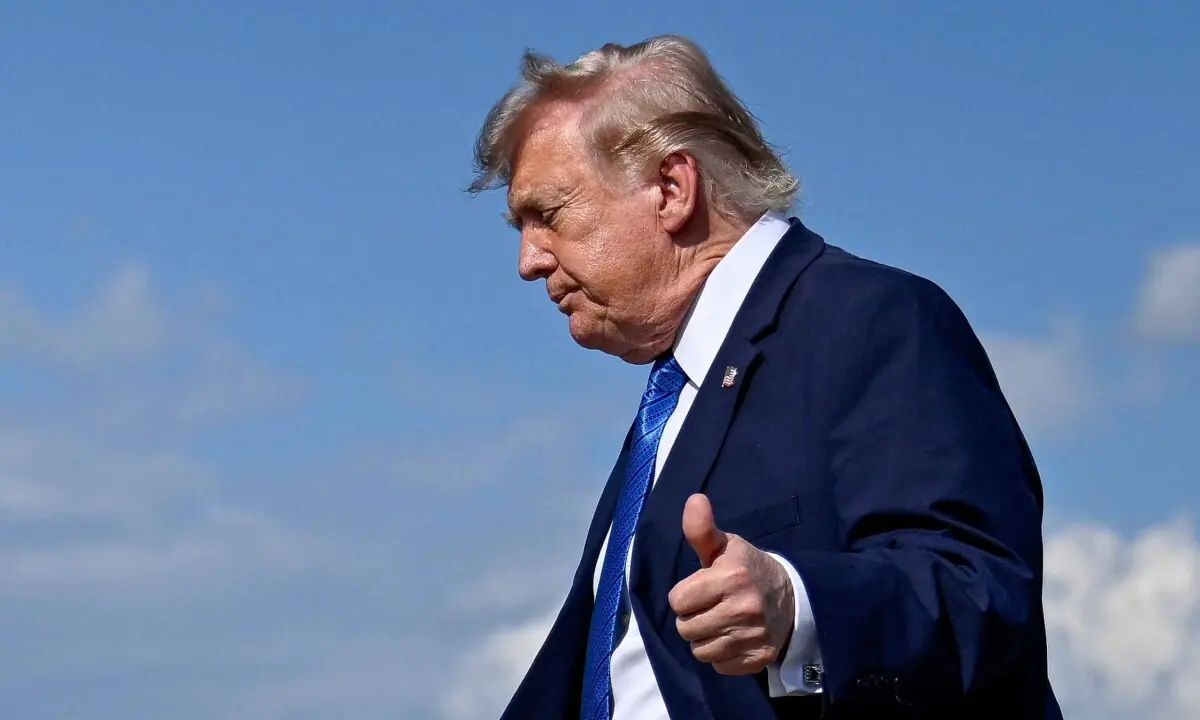
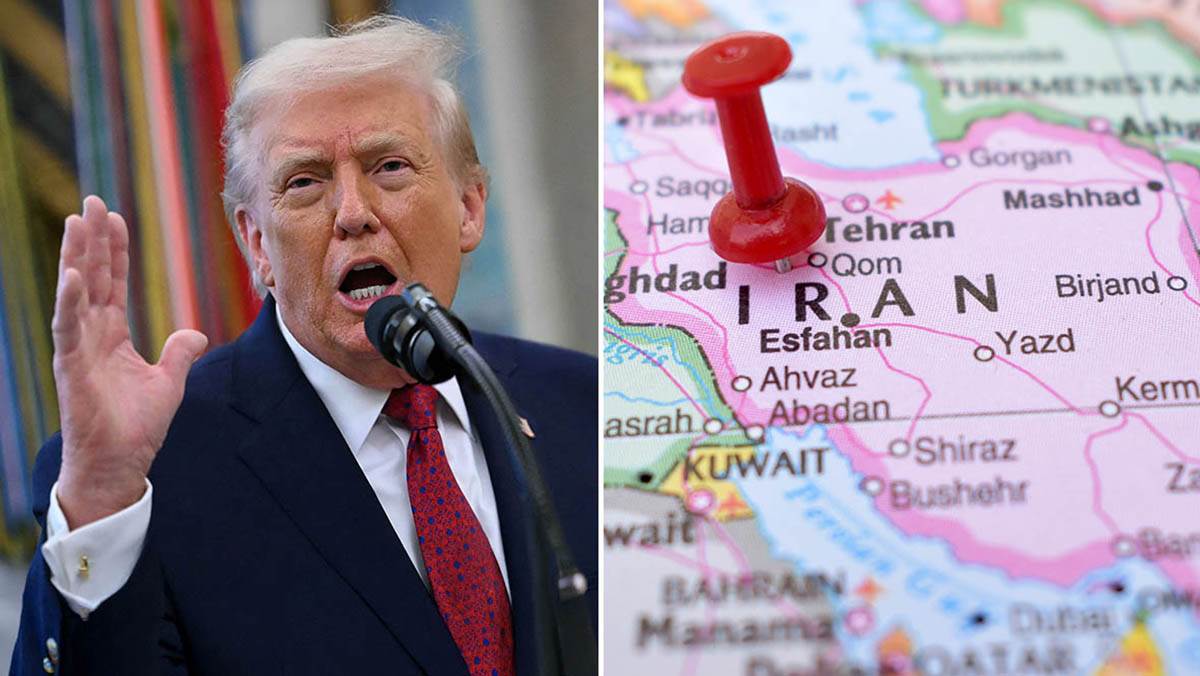
Iran tensions appear to be easing after US President Donald Trump announced he has called off a planned major military strike on Iran following requests from Iran and other Middle Eastern countries to pause for a diplomatic agreement that would include the immediate reopening of the Strait of Hormuz and an end to Iran's nuclear threat. [1] [2]
Trump Announces Suspension of Planned Strike
US President Donald Trump stated on his Truth Social platform that the United States was prepared to attack Iran with a level of military terror, force and power not seen since the Second World War, but he agreed to cancel the strike to benefit the world and allow for a prosperous Iran provided an agreement is reached quickly. [2] [3] The proposed deal includes the immediate, complete and total opening of the Strait of Hormuz and an end to Iran's nuclear threat, with Israel joining the commitment to advance negotiations. [1] [2] Trump noted that Iran and other Middle Eastern countries appealed to Washington to refrain from action after the parameters of an agreement had been established. [1] He added that the United States, Israel and other allies had agreed on the main parameters to try to end the conflict, and he accepted the request to cancel the attack on the condition that a deal can be finalized rapidly. [2] [3]
Iran Rejects US Claims of Requested Pause
Iranian officials immediately denied Trump's claims through state media, calling them a new lie and stating that Iran never requested a pause in attacks. [2] The Iranian armed forces remain on maximum alert and ready to respond to any eventuality, with the Strait of Hormuz to stay closed as long as the United States maintains a hostile policy. [2] [5] Iranian Foreign Ministry spokesman Esmail Baghaei said the strait was closed because of the United States' breach of its commitments, its naval blockade of Iran and hostile measures taken against the Islamic Republic. [5] Iranian President Masoud Pezeshkian stated that a memorandum of understanding with the United States would become the cornerstone of Tehran's future foreign relations, and efforts must be made to make the enemy abide by what it signed. [5]
Regional Pressure to Avoid Escalation
Saudi Crown Prince Mohammed bin Salman urged Trump in a phone call to de-escalate and prioritize dialogue, expressing fears that strikes on Iranian energy facilities could provoke retaliation against Saudi and Gulf oil infrastructure. [2] [3] The crown prince sought to learn what actions the White House was considering regarding Iran, and Axios reported that he urged Trump to refrain from new attacks amid concerns over potential retaliation on petroleum infrastructure in Saudi Arabia and other Gulf countries. [2] [5] Other nations including Qatar and Pakistan also pressed for de-escalation and more time for negotiations on issues such as the Strait of Hormuz. [3] [4]
US Assessment of Military Impact
US Secretary of State Marco Rubio defended the prior military campaign, saying it had significantly degraded Iran's conventional military capabilities including its navy, air force and missile defenses, thereby strengthening the US negotiating position. [2] [3] Rubio noted that Iran still has missiles and drones and can cause damage, but the strategic scenario has changed because the United States now approaches from a position of strength rather than weakness. [2] He added that this shift is the only reason Iranian officials now appear willing or even anxious to reach an agreement on denuclearization and the strait. [2] Rubio also insisted that Iran must stop supporting armed groups in the region. [2]
Ongoing Diplomacy Involving Oman and Mediators
Iran’s foreign minister Abbas Araghchi said negotiations with Oman on the Strait of Hormuz are entering their final stages, with Tehran and Muscat close to reaching an understanding on a new maritime route that respects the sovereign rights of both sides. [5] Iranian officials described the talks as on the way to being finalized and separate from existing corridors, noting that an understanding on a new route has nothing to do with whether the strait is reopened or remains closed. [5] Parliament spokesman Hassam Ghashghavi said mediators are trying to revive the June memorandum of understanding, with Hormuz remaining the central issue, and an Iranian delegation may travel to Muscat again as part of ongoing diplomacy. [5]
Context of the Five-Month Conflict
The conflict began on February 28 with joint US-Israeli strikes on Iran aimed at destroying its missile program, preventing a nuclear weapon and cutting off support for allied armed groups. [2] [5] The war has now lasted more than five months, with a June ceasefire collapsing within weeks in a dispute over shipping routes through Hormuz and fighting reigniting in July. [3] [5] The closure of the Strait of Hormuz, through which about 20 percent of global oil consumption is normally shipped, continues to affect global oil markets. [2] [5] The United States maintains a naval blockade on Iranian ports while negotiations remain surrounded by uncertainty. [2]
What to watch next: Iranian officials have indicated that diplomacy with Oman continues alongside military preparedness, while US and regional actors monitor whether a rapid agreement on the Strait of Hormuz and nuclear issues can be reached.