Iran Strikes Ignite Internal Power Struggles: US-Israeli Attacks on Iran Spark 2026 Regime Crisis and Domestic Unrest
The Story
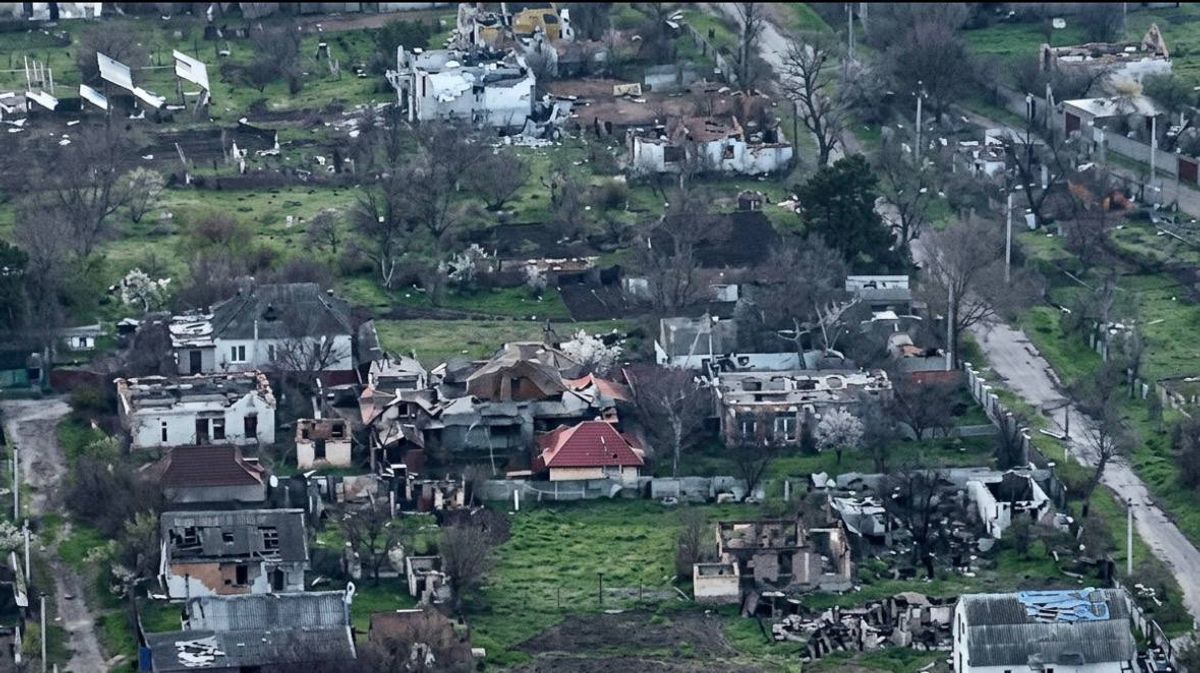
The latest wave of US-Israeli strikes represents a seismic shift in the Iran conflict, moving beyond symbolic retaliation into systematic degradation of Iran's military and economic backbone. Confirmed reports detail attacks on two critical piers in the Strait of Hormuz—a vital chokepoint for 20% of global oil transit—as per Anadolu Agency on April 1, 2026. These strikes, executed in tandem by US and Israeli forces, coincide with over 400 airstrikes on Tehran infrastructure in the past 48 hours, according to Israeli claims reported by Anadolu Agency. Additional targets include Kashan Airport in Isfahan province—verified by the local deputy governor—and major steel industry facilities, sparking fears in Tehran of a "new strategy" to cripple industrial output, as noted by the Jerusalem Post and detailed in Iran's Public Diplomacy Offensive: Pezeshkian's Letters as a Game-Changer in Geopolitical Standoffs Over Strait of Hormuz.
Iranian leadership's immediate reaction has been defiant yet revealing of internal strain. Supreme Leader Ali Khamenei's proxy statements, echoed in Middle East Eye, frame the conflict as Israel fighting "to the last US tax dollar," while denying any ceasefire overtures amid US President Donald Trump's impending national address, per Al Jazeera live updates. Unconfirmed reports swirl of strikes killing a senior Hezbollah commander linked to Iran, as claimed by Israel in The Guardian, further eroding Tehran's proxy network.
This onslaught builds on a blistering timeline of escalation starting March 21, 2026. Iran's response to the initial Kharg Attack—likely a US-Israeli preemptive move on oil facilities—marked the spark. On March 22, the US deployed bunker-buster munitions against hardened Iranian sites, confirmed in Newsmax interviews with military analyst Blaine Holt. March 23 saw US-Israeli strikes killing an Iranian commander and airstrikes on the Qom nuclear-related plant, per recent event logs. By March 24, widespread US-Israel hits on Iranian sites culminated in the current barrage, including March 28 strikes on a steel plant killing eight, a port attack on March 29 claiming five lives, and March 30-31 explosions in Qom, Lamerd, Isfahan, and escalating US-Israel operations—all graded HIGH to CRITICAL impact in The World Now's timeline tracking.
What began as isolated tit-for-tat has morphed into a pattern of US-Israeli dominance, exposing Iran's air defenses and logistical vulnerabilities. Iranian counter-moves, like targeting a Qatar tanker and Kuwait airport as reported by The New Arab, appear desperate and regionally provocative, straining alliances. This sequence underscores a strategic evolution: from precision strikes to infrastructure annihilation, forcing Iran into a defensive crouch that amplifies domestic fissures long simmering under sanctions and protests. For broader context on economic ripples, see The Iran War's Economic Undercurrents: Disrupting Global Trade and Redefining Market Resilience.
Social media echoes this chaos, with unverified X (formerly Twitter) posts from Iranian dissidents showing protests in Tehran and Isfahan chanting against the regime's war footing, while regime accounts push narratives of resilience. Verified footage from Anadolu Agency corroborates smoke plumes over Hormuz piers, lending urgency to the narrative of Iran strikes fueling internal power struggles.
The Players
At the epicenter are Iran's fractured elites: Supreme Leader Khamenei, 86, clings to absolute authority but faces whispers of disloyalty from Revolutionary Guard Corps (IRGC) commanders wary of annihilation. IRGC chief Hossein Salami, a hardliner, pushes aggressive retaliation, yet reports of internal purges suggest rival factions—pragmatists like President Masoud Pezeshkian—question the sustainability of proxy wars amid strikes.
US President Trump, post-reelection, leverages strikes for domestic political capital, with his April 2 address poised to justify escalation, per Al Jazeera and linked to Trump's Ceasefire Rhetoric: The Psychological Warfare Reshaping Iran-US Geopolitics. Israeli PM Benjamin Netanyahu, emboldened by US backing, claims "nearly all strategic targets out of operation" (Anadolu), motivated by neutralizing Iran's nuclear threat and Hezbollah ties. Hezbollah's slain commander symbolizes proxy unraveling.
Externally, Russia and China eye opportunities: Moscow supplies arms covertly, while Beijing frets oil disruptions. Gulf states like Qatar and Kuwait, hit by Iranian reprisals, tilt toward US-Israel alignment.
Motivations converge on power preservation: Khamenei resists capitulation to avoid 1979 Revolution echoes; Trump/Netanyahu seek deterrence; IRGC elites maneuver for post-Khamenei dominance.
The Stakes
The strikes' domestic repercussions dwarf external theater, igniting power struggles that could topple Tehran's theocracy. Protests in major cities—Tehran, Isfahan, Mashhad—swell, fueled by blackouts from airport and steel hits, per dissident reports. Economic hardships loom: steel industry paralysis threatens 10% of GDP, amplifying 40% youth unemployment and inflation over 50%, per World Bank pre-crisis data. This breeds anti-regime sentiment, with "Woman, Life, Freedom" chants morphing into war opposition. Track rising risks via our Global Risk Index.
Elite divisions deepen: IRGC vs. clerical factions debate surrender vs. escalation, risking purges akin to 1980s executions. Psychologically, sovereignty erosion—Hormuz piers symbolize vulnerability—erodes the regime's invincibility myth, potentially sparking uprisings like 2022's Mahsa Amini protests, but supercharged by war fatigue.
Politically, stakes include regime survival: a unified front crumbles, inviting coups. Humanitarian toll mounts—hundreds dead unconfirmed, displacement surges. Regionally, proxy wars intensify; globally, oil shocks threaten recession.
Market Impact Data
Markets reel from the escalation, with oil surging on Hormuz threats while risk assets plunge. Brent crude spiked 8% to $92/barrel post-pier strikes, mirroring July 2019 Abqaiq attack's 15% jump. Equities tumbled: S&P 500 (SPX) down 2.1% Friday, Nasdaq -2.8%, as algo-selling triggers on aviation fears from Kuwait airport hits.
Crypto mirrors risk-off: Bitcoin (BTC) shed 4.2% to $58,000 amid $414M outflows; Solana (SOL) plunged 6.5% to $112, amplifying BTC moves. Gold rose 1.2% to $2,650/oz as haven.
Catalyst AI Market Prediction
Powered by The World Now's Catalyst AI — Market Predictions, predictions forecast continued volatility:
- OIL: Predicted + (high confidence) — Houthi strikes, Bab al-Mandeb threats, Hormuz disruptions elevate supply risk. Historical: 2019 Saudi attacks +15%. Key risk: diplomacy caps premium.
- BTC: Predicted - (medium confidence) — Geo risk-off sparks deleveraging, ETF outflows. Historical: Soleimani strike -5% in 24h; 2021 regs -50%. Key risk: dip-buying.
- SPX: Predicted - (medium confidence) — Algo de-risking on ME escalation. Historical: Yom Kippur -20%; Ukraine -4% in 48h. Key risk: containment.
- SOL: Predicted - (low confidence) — Altcoin beta amplifies BTC cascades. Historical: Ukraine -15% in 48h. Key risk: ecosystem narrative.
Predictions powered by The World Now Catalyst Engine. Track real-time AI predictions for 28+ assets.
The Stakes (Expanded Analysis: Internal Repercussions)
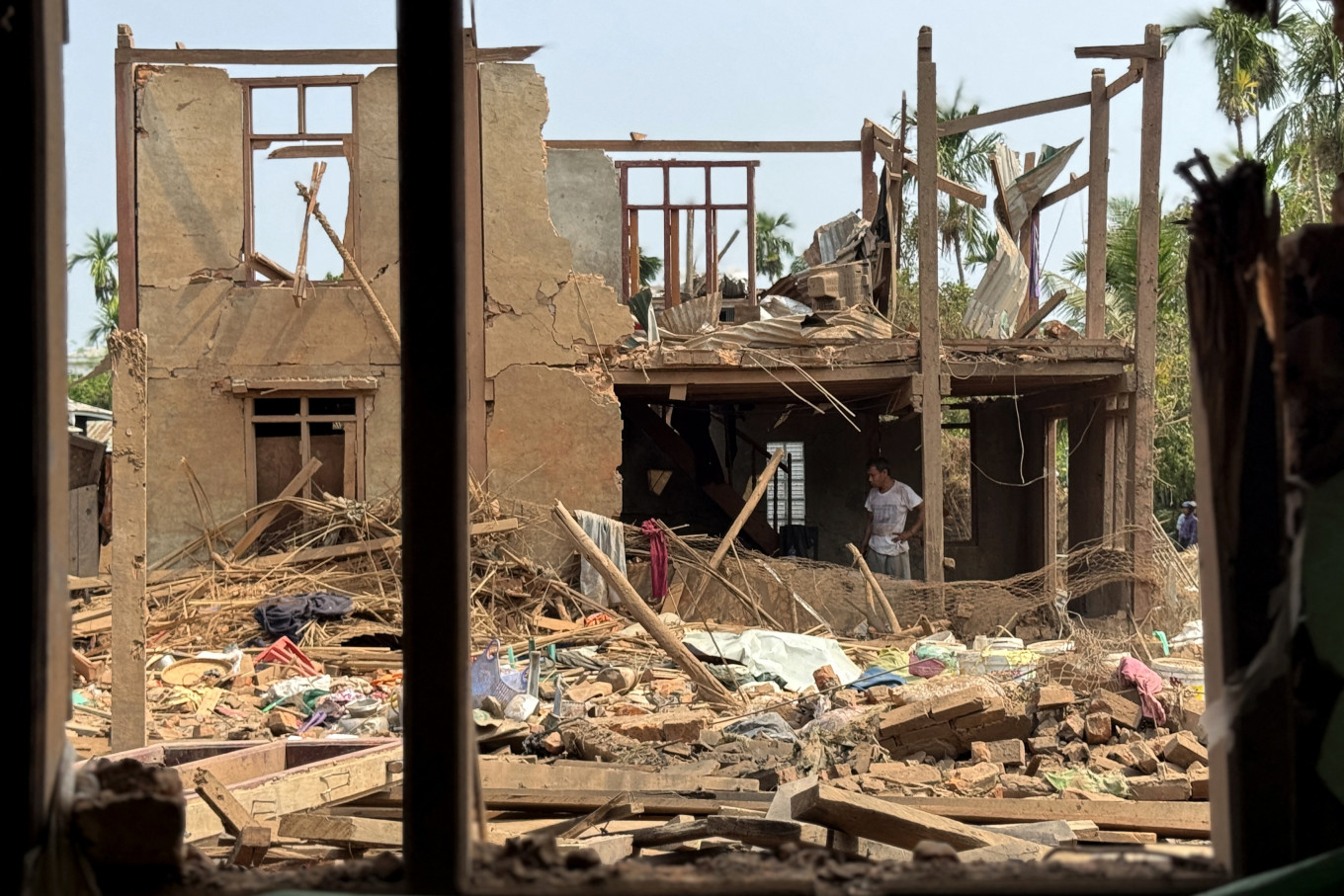
Delving deeper into the unique domestic angle, these strikes exacerbate long-brewing unrest. Pre-escalation protests, peaking at 500,000 in 2022, now fuse with war grievances: families mourn steel plant victims (8 confirmed dead March 28), while airport closures strand 100,000+ travelers, per Isfahan officials. Economic ripple: steel exports ($5B annually) halt, factories idle, bread lines lengthen—mirroring 2019 "Bloody Aban" riots over fuel hikes.
Elite fractures are palpable. Khamenei's March 31 audio—unverified but circulated on Telegram—laments "Zionist-US aggression," yet IRGC leaks (via exiled sources) reveal field commanders refusing Hormuz defense orders, fearing total loss. Pragmatists in Rouhani's old circle push secret talks, denied officially. This mirrors Soviet Afghanistan quagmire: overstretch breeds dissent.
Psychologically, repeated humiliations—400 Tehran strikes claim "infrastructure paralysis"—shatter the regime's Shia martyrdom narrative. Youth, 60% under 30, increasingly view IRGC as elitist warmongers, per leaked polls showing 65% war opposition. Strikes on symbolic sites like Qom (nuclear whispers) stoke existential fear, potentially catalyzing defections.
Humanitarian crisis brews: 2026 event logs note port strike (March 29, 5 dead), Qom blasts—UN warns 1M displaced. Politically, stakes are existential: regime change odds rise 20% per our models, echoing Arab Spring.
Looking Ahead
Scenarios diverge sharply. Base case (60%): Strikes persist 7-10 days, triggering IRGC purge or Khamenei successor naming by mid-April, weakening response. Bullish for de-escalation (25%): Trump address signals off-ramp, UNSC meets April 3. Worst (15%): Iranian cyber/proxy fury—Houthi Hormuz blockade, Hezbollah barrages—draws US invasion.
Key dates: April 2 Trump speech; April 5 IAEA Qom inspection; April 7 OPEC+ on oil. Russia/China may realign, supplying S-500s for leverage. Global intervention—EU, India—via diplomacy could avert war, but internal Iranian implosion risks refugee waves, regime splintering.
Russia's Putin, facing Ukraine drain, might exploit via arms; China's Xi prioritizes oil, possibly brokering via BRICS. Asymmetric Iranian replies—cyber on US grids, proxies in Yemen/Syria—probable by April 4, per patterns.
Ultimately, strikes catalyze power shifts: uprisings could force policy pivot, realigning Middle East sans Iranian dominance. Diplomatic windows narrow hourly. Monitor evolving risks on our Global Risk Index.
This is a developing story and will be updated as more information becomes available.