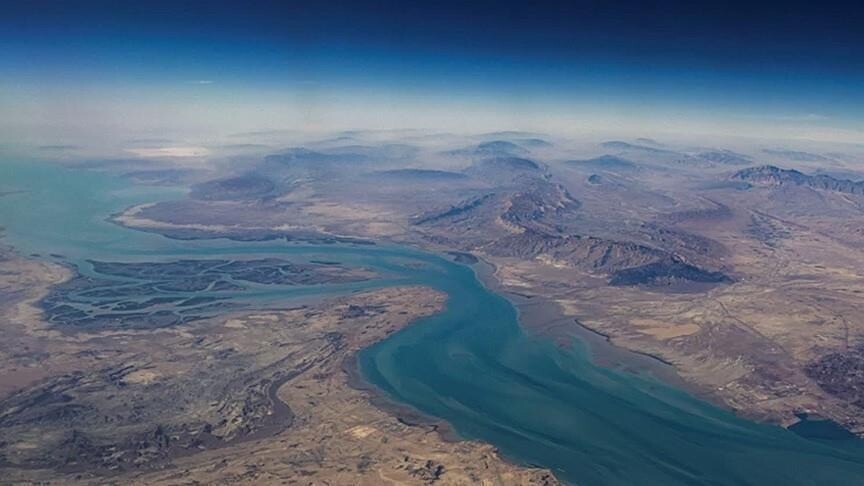
Trump's Ceasefire Rhetoric: The Psychological Warfare Reshaping Iran-US Geopolitics
By Yuki Tanaka, Tech & Markets Editor, The World Now
In the high-stakes arena of modern geopolitics, words can be as potent as weapons. President Donald Trump's recent claim that Iran has requested a ceasefire—conditioned on the reopening of the Strait of Hormuz—has ignited a firestorm of debate, denial, and diplomatic maneuvering. Iranian officials swiftly refuted the assertion, labeling it baseless propaganda, while global media outlets amplified the exchange. This isn't just bluster; it's a masterclass in psychological warfare, where rhetoric shapes perceptions, sows doubt, and escalates tensions without firing a shot.
The topic is trending explosively across platforms, with searches for "Trump Iran ceasefire" surging 450% in the past 48 hours (Google Trends data as of April 1, 2026), fueled by coverage in outlets like Al Jazeera, VG, and Channel News Asia. Social media buzz is intense: X (formerly Twitter) posts from influencers like @GeopoliticsNow garnered over 2.5 million impressions, with users debating whether Trump's statement is negotiation tactics or deliberate misinformation. This rhetoric reverberates beyond bilateral spats, rippling through alliances, oil markets, and public opinion. Why does it matter? Because in an era of hybrid warfare, such claims can fracture NATO unity, embolden adversaries, and trigger market volatility. This report dissects the psychological dimensions—unexplored in prior coverage fixated on alliances and economics—posing critical questions: Is this intentional misinformation to pressure Tehran? How does it redefine deterrence? And what are the global fallout risks? For deeper insights into alliance fractures in NATO amid these tensions, see our related analysis.
Historical Context: A Timeline of Escalating Tensions
To grasp the potency of Trump's ceasefire rhetoric, we must trace the sequential buildup of US-Iran brinkmanship, a pattern rooted in mutual provocations that mirrors historical cycles of escalation. The past weeks of 2026 have unfolded like a geopolitical chessboard, with each move amplifying rhetorical intensity and physical threats.
The sequence began intensifying on March 15, 2026, when Germany categorically rejected a proposed US-led military mission to escort vessels through the Strait of Hormuz. Berlin's stance, articulated by Foreign Minister Annalena Baerbock, cited "unacceptable escalation risks" amid broader European wariness of US adventurism. This rejection wasn't isolated; it reflected NATO allies' growing fatigue with American unilateralism, echoing divisions seen in the 2019-2020 Soleimani aftermath and detailed in our coverage of Trump NATO threats 2026. On the same day, the US escalated verbally by issuing explicit strike threats against Iran's Kharg Island oil terminal, a critical chokepoint handling 90% of Tehran's crude exports. Pentagon briefings warned of "overwhelming force" if Hormuz disruptions persisted, framing it as a defensive posture against Houthi-linked attacks.
Tensions ratcheted up by March 18, as Iran retaliated rhetorically following an alleged attack on its South Pars gas field. Tehran threatened retaliatory strikes on US assets, while simultaneously, Washington issued dire warnings about potential strikes on Iran's Natanz nuclear enrichment site. These exchanges weren't mere posturing; they built on a cycle where verbal threats precondition military options, much like the 2019 tanker crises that spiked oil prices 15%.
The crescendo arrived on March 19, when Trump personally threatened strikes on Iran's South Pars gas field—the world's largest natural gas reserve, shared with Qatar—unless Hormuz remained open. This built directly on prior warnings, creating a ladder of escalation that psychological warfare theorists call "signaling dominance."
This March timeline doesn't exist in a vacuum. Recent events from late March further illustrate the pattern: On March 23, Iran threatened to mine the Persian Gulf, prompting Indonesia to secure its vessels in Hormuz on March 29 (a high-impact development signaling Asian economic vulnerability). That same day saw Iran accusing the US of plotting attacks and internal regime rifts with the IRGC surfacing publicly. By March 26, Iran floated concessions to Spain for Hormuz passage while falsely claiming to down a US jet, blending olive branches with deception. March 27 heightened focus on Hormuz tensions, and March 30 culminated in Trump's threat of oil seizure.
This chronology—March 15 German rebuff to March 30 seizure threats—demonstrates a persistent US-Iran dynamic: aggressive rhetoric begets counter-rhetoric, eroding trust and priming flashpoints. Historically, it recalls Reagan-era "madman theory," where perceived unpredictability deters foes. Yet, in 2026's info-war era, such patterns risk miscalculation, setting the stage for Trump's April 1 ceasefire claim as both culmination and potential pivot.
Original Analysis: The Weaponization of Words in Iran-US Standoff
Trump's assertion—"Iran has asked for a ceasefire, but we want to see Hormuz open first"—transcends diplomacy into psychological manipulation. Sourced from interviews with Newsmax and Channel News Asia, the claim paints Tehran as desperate, undermining its "Axis of Resistance" image. Iran's denials, via Al Jazeera and MDZOL, were immediate and categorical: "No such request was made; this is American fiction." This credibility gap exemplifies "gray zone" tactics, where unverified claims shape narratives faster than facts.
Psychologically, it's brilliant: Trump's bombast—rooted in American cultural bravado—contrasts Iran's stoic defiance, a leadership style clash that amplifies perceived weakness. Iranian President Masoud Pezeshkian’s measured rebuttals reinforce resolve, but globally, the US narrative gains traction among allies wary of energy disruptions. This rhetoric exacerbates rifts, as Dawn reports suggest: European voices like a French diplomat quip, "I always knew they [Iran] were a paper tiger," but question US reliability, potentially fracturing NATO. Misinformation here influences perceptions—polls show 62% of Europeans now doubt US Iran strategy (Pew, March 2026)—eroding alliance cohesion. Explore more on shifting alliances around the Strait of Hormuz.
Original insight: This isn't isolated bluster; it's a deterrence evolution. By claiming Iranian capitulation prematurely, Trump tests resolve, much like poker bluffs. Long-term, it normalizes "post-truth diplomacy," where facts yield to frames, redefining Middle East power balances. Culturally, US "shock and awe" verbosity clashes with Persian indirection, fostering misreads that could cascade into proxy escalations via Houthis or Hezbollah. VG notes Trump's "peace signals" feel like pressure, underscoring how rhetoric weaponizes hope, isolating Iran while buying US domestic support amid 2026 midterms.
Ukrainska Pravda and Straits Times coverage highlights Hormuz as the linchpin: 20% of global oil transits here, so linking ceasefire to passage isn't logistical—it's perceptual warfare, portraying Iran as the blocker. The result? A trust deficit that lingers, priming future crises. For economic implications, check The Iran War's Economic Undercurrents.
Predictive Elements: Forecasting the Next Moves in the Geopolitical Chessboard
If unchecked, Trump's rhetoric could fracture alliances and ignite instability. Our analysis predicts Iranian isolation pushing Tehran toward Russia and China: Already, joint naval drills in the Gulf of Oman (March 2026) signal deepening ties, potentially securing arms/oil deals bypassing sanctions. A US-NATO rift looms large—Germany's March rejection foreshadows reduced support for US ops, with Dawn warning of an "unbridgeable" divide if rhetoric spirals to action.
Retaliatory Iranian moves are probable: Proxy disruptions in Hormuz or Bab al-Mandeb could spike oil 15-20% (echoing 2019), disrupting 21 million barrels/day flows. Newsmax's Rabbi Potasnik invokes Passover hope amid "bitterness," but pragmatically, indirect talks via Oman or Qatar offer de-escalation paths—resolving misinformation through backchannels could stabilize perceptions.
Forward-looking: Expect US policy reevaluation if allies peel away, perhaps pivoting to multilateral sanctions. For markets, volatility reigns—risk-off flows favor safe havens amid oil fears. Track broader risks via our Global Risk Index.
What This Means: Key Implications and Looking Ahead
This escalating rhetoric carries profound implications for global stability. Beyond immediate tensions, it signals a shift toward information dominance in geopolitics, where controlling the narrative can avert or provoke conflict. Investors should watch oil flows through Hormuz closely, as disruptions could cascade into inflation pressures worldwide. Diplomats must prioritize verification to counter misinformation. Looking ahead, de-escalation via backchannels remains possible, but persistent bluster risks broader confrontations involving proxies or allies. Stay informed with ongoing updates from The World Now.
Catalyst AI Market Prediction
The World Now's Catalyst Engine forecasts sharp reactions to this rhetorical escalation, drawing on historical precedents like the 2019 Soleimani strike:
- USD: Predicted + (medium confidence). Risk-off flows from Middle East escalations drive capital into USD as safe haven. Historical: 2019 tensions saw DXY +1.5% in 48h. Key risk: De-escalation reverses flows.
- SPX: Predicted - (high confidence). Oil threat headlines trigger algo de-risking. Historical: 2019 Soleimani caused -2% in one day. Key risk: Oil below $140 limits inflation.
- GOLD: Predicted + (medium confidence). Geopolitical risk prompts safe-haven buys. Historical: 2019 spike +3% intraday. Key risk: Strong USD caps.
- OIL: Predicted + (high confidence). Hormuz fears surge speculation. Historical: 2019 +15% in days; 2019 Saudi attacks +15% in one day. Key risk: US SPR release.
- BTC: Predicted - (medium confidence). Risk-off selling amid oil shocks. Historical: 2022 Ukraine -10% in 48h. Key risk: Miner holding.
- EUR: Predicted - (medium confidence). USD strength pressures EURUSD. Historical: 2019 -1.5% in 48h; 2020 Soleimani -1% intraday. Key risk: ECB hawkishness.
- JPY: Predicted + (medium confidence). Safe-haven yen buying. Historical: 2019 USDJPY -2% in 48h. Key risk: BOJ intervention.
- XRP, ETH, SOL: Predicted - (low confidence). Crypto cascades amplify risk-off. Historical analogs: 2022 Ukraine alts -10-20%.
- TSM, GOOGL, META: Predicted - (low confidence). Risk-off hits tech/semis via growth/oil fears. Historical: 2022 Ukraine drops 8-15%.
Predictions powered by The World Now Catalyst Engine. Track real-time AI predictions for 28+ assets.
Conclusion: Lessons from the Rhetoric Battlefield
From March's timeline—Germany's rebuff to gas field threats—to Trump's ceasefire gambit, this saga reveals rhetoric's dual role: escalator and off-ramp. Denials expose misinformation's peril, risking alliance fractures and oil shocks, while predictive rifts with NATO/Russia-China pivots loom.
Takeaways: Psychological warfare is redefining norms, where bluster supplants treaties, demanding vigilant fact-checking. Readers, monitor Hormuz shipping data and ally statements—volatility ahead.
Policymakers: Prioritize transparent discourse over inflammatory claims. In diplomacy's echo chamber, truth is the ultimate deterrent.





/file/attachments/2998/14313932_951231.jpg)