Iran Fires Ballistic Missiles at US Base in Jordan After American Strikes Kill Civilians
Iran's Revolutionary Guard launched ballistic missile and drone attacks on US bases in Jordan and Iraq's Kurdistan region in retaliation for US strikes on Iranian targets that killed civilians at a wedding.
Iran Launches Retaliatory Strikes on US Bases
The Islamic Revolutionary Guard Corps said its forces carried out a heavy ballistic missile attack on the US Marine base at Titin in southern Jordan. [1] The IRGC claimed the strike destroyed facilities and helicopters while killing a large number of US forces. [1] [4] It also reported a combined missile and drone strike on a US base in Erbil that destroyed repair centers, equipment warehouses, a spy balloon guidance system, and fuel depots. [1] Iranian state media described the Erbil operation as targeting technical equipment and killing several attackers. [1] The IRGC separately stated it downed a US MQ-9 drone equipped with a new aerospace defense system. [1] These actions followed a month-long lull and marked the most serious escalation in weeks. [2] [4]
US Strikes Trigger Iranian Response
US Central Command conducted a wave of strikes against multiple southern Iranian locations including Asaluyeh, Jiroft, Bandar Abbas, Qeshm Island, Konarak, Chabahar, Jask, Sirik, and Lavan. [2] The strike on Sirik hit a residential building during a wedding celebration, killing at least four people including a child and injuring more than 50. [1] [2] Iranian authorities described the US attacks as blind and desperate against civilian areas. [1] The IRGC linked its response directly to the Sirik incident and earlier strikes on locations such as Kuhestak in the county of Sirik. [1] Explosions were also reported in Bandar Abbas, Qeshm Island, Jiroft airport, and points in Hormozgan and Sistan and Baluchistan provinces. [1]
Gulf States Report Iranian Aerial Threats
Kuwait reported responding to hostile missiles and drones, with its air defenses intercepting targets and urging the population to follow security instructions. [1] [4] Bahrain intercepted and destroyed Iranian drones while raising its alert level to protect the country after a potential threat alert. [1] [3] Jordan's military said its air defenses intercepted 10 of 13 ballistic missiles that entered its airspace. [4] The reports came hours after Iran announced its strikes on US interests in the region. [1]
IRGC Statements on Retaliation and Resolve
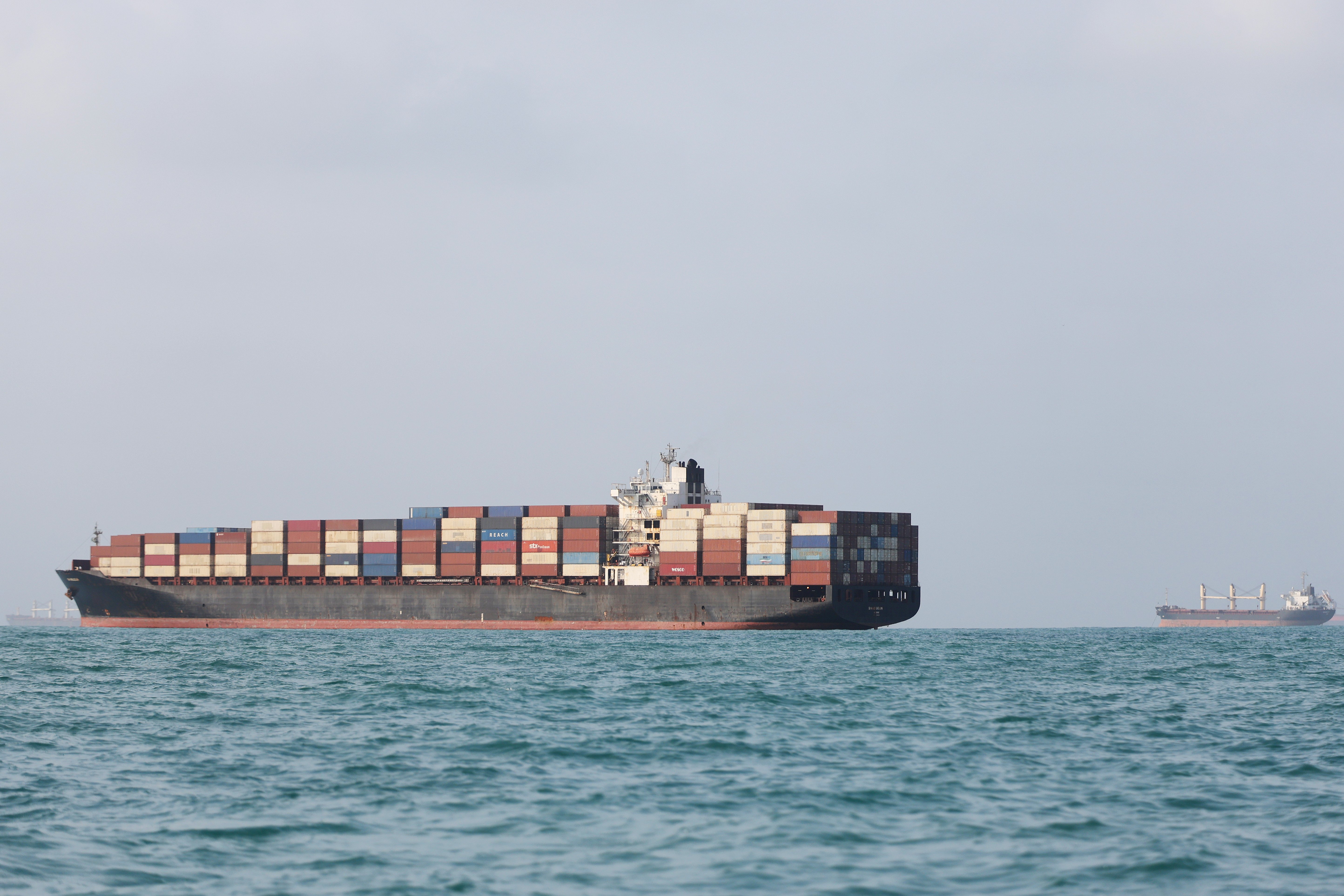
The IRGC stated that its forces gave a strong response to the aggressors and that the US attacks strengthened Tehran's determination to confront foreign forces near the Strait of Hormuz. [1] It described the American strikes as having further restricted traffic through the critical waterway that carried about one-fifth of global oil consumed before the conflict. [4] The IRGC framed the downing of the MQ-9 drone and the base attacks as the first actions in its retaliation. [1] Iranian officials warned they would impose a high price on the US enemy following the strikes. [1]
Oil Markets React to Escalation
Brent crude futures rose 75 cents, or 0.8 percent, to $95.40 a barrel, while US West Texas Intermediate crude futures climbed 44 cents, or 0.5 percent, to $90.66. [4] Both contracts had soared more than $4 the previous day, marking Brent's largest gain since July 24 and WTI's largest since July 23. [4] Analysts noted that developments brought risks to regional oil supplies back into focus and that rising tensions put crossings through the Strait of Hormuz at risk. [4] The market is increasingly pricing the cost of an unresolved conflict rather than just the risk of war. [4]
No US Casualties Confirmed
US officials said no American casualties had been reported from the attacks. [4] Jordan reported that most missiles were intercepted by its air defenses. [4] Washington has not confirmed Iranian claims of damage or casualties at the targeted bases. [1] [4]
What to watch next: Further exchanges could intensify pressure on oil flows through the Strait of Hormuz as both sides continue operations following the latest round of strikes.