Iran Demands Qatar Free Three Pilots Captured After Jet Downing
Amid rising Iran tensions, Iran demanded the release of three pilots it says were captured by Qatar after their Su-24 fighter jets were downed during an early mission in the US-Iran war, while Qatar denied holding them and accused Tehran of violating its airspace.
Iran Demands Release of Captured Pilots
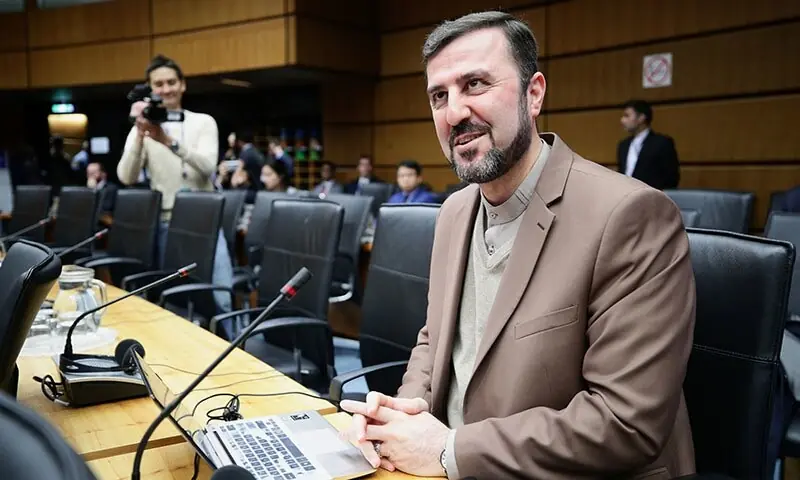
Iranian Brig Gen Mohammad Bagherzadeh stated that pilots Javad Salehi, Abdul Majid Dashtian and Imran Behroshian were captured alive after ejecting from their jets on 2 March 2026 during a combat mission targeting a Qatari military base. [3] A fourth pilot, Majid Kazemi, was killed and his body returned. [3] Iran on Saturday demanded that Qatar release three of Tehran’s pilots whose aircraft went down early in the Middle East war. [1] “Three Iranian pilots were captured alive by Qatari forces after their Su-24 fighter jets crashed during the war,” Gen. Mohammad Bagherzadeh of the Iranian armed forces said according to the Fars news agency. [1] Iran had previously reported one pilot killed and others missing after a sortie to Qatar in March. [1] Gen Bagherzadeh said the three pilots had been captured by Qatar after they ejected from their jets during the combat mission on a Qatari military base. [3] In the letter to ICRC chief Mirjana Spoljaric, published by Iranian media, he accused Qatar of violating “the inalienable rights of these prisoners, contrary to all international laws and regulations.” [3] The letter also claimed the three pilots had not been allowed to meet or contact their families. [3]
Qatar Rejects Iranian Allegations
Qatar categorically denied capturing the pilots, said it acted in self-defense after they violated its airspace, conducted search and rescue operations, and contacted Iran to coordinate handover of one pilot's remains, to which Tehran has not responded. [3] Qatar "categorically denied" Iran's claims and said it was "surprised by these misleading statements." [3] Qatar's foreign affairs spokesperson Majed Mohammed Al Ansari said contact had been made with the pilots "after they violated Qatari airspace," but it did not receive a response. [3] "The necessary measures were taken to defend our territory in accordance with international law," he added in a statement on X. [3] Al Ansari said Qatar's search and rescue teams "carried out their duties to the fullest extent in searching for the pilots' remains." [3] He said Qatar contacted Iran to "co-ordinate the handover of the remains of one of the pilots that were recovered," and that Tehran had yet to respond to an invitation to review details of the search and rescue operation. [3]
Tensions Over Strait of Hormuz
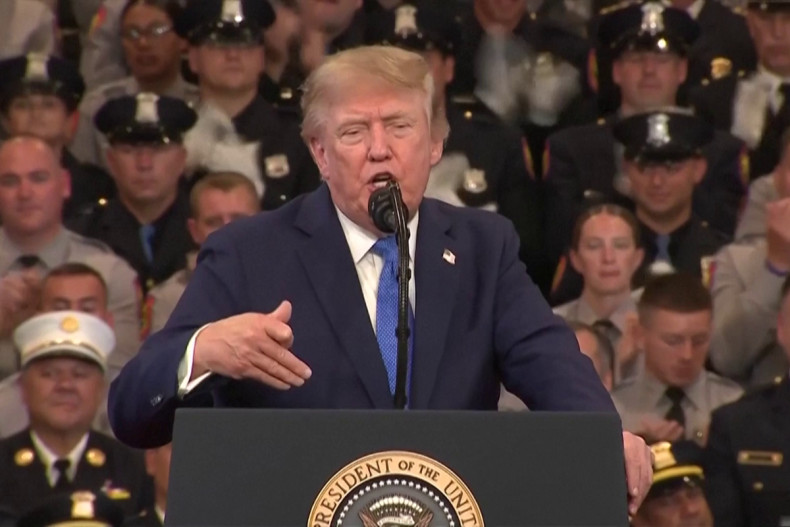
Iran also rejected US President Donald Trump's statement that he would declare the Strait of Hormuz US territory after defeating Iran, with Deputy Foreign Minister Kazem Gharibabadi insisting the waterway "has been Iranian, is Iranian, and will remain Iranian" and will only be opened under Iran's command. [2] Iran on Saturday fired back at US President Donald Trump’s claim that he would soon declare the Strait of Hormuz part of US territory, saying the crucial energy waterway it has blockaded “will remain Iranian.” [2] “The Strait of Hormuz has been Iranian, is Iranian, and will remain Iranian,” Iranian Deputy Foreign Minister Kazem Gharibabadi said on X. [2] “This strait will only be closed and opened under Iran’s command.” [2] Trump told a political rally in New York state on Friday that after the US defeats Iran, “pretty soon I’ll be declaring the Hormuz Strait a territory of the United States.” [2] Last week, a top Iranian official set out a list of conditions for reopening the strait, including an end to the “war and aggression against Iran and its allies in Lebanon, Palestine, Yemen, and Iraq.” [2] Mohammad Bagher Zolghadr also demanded the end of crippling sanctions, the release of frozen assets and compensation for wartime damage. [2]
Ongoing Attacks in the Waterway
Attacks on shipping in the Hormuz strait have continued, with UAE oil giant ADNOC reporting a vessel attacked and Abu Dhabi's foreign ministry blaming Iran’s Revolutionary Guards for acts of piracy; such incidents contributed to the collapse of an April ceasefire. [2] The United Arab Emirates’ state-owned oil giant ADNOC said on Saturday that one of its vessels came under attack the night before. [2] Abu Dhabi’s foreign ministry later blamed Tehran, and said that Iran’s Revolutionary Guards were engaged in “acts of piracy” in the strait. [2] On Friday the Gulf nation blamed Iran for other attacks on two vessels linked to ADNOC as they passed through the waterway. [2] Such attacks led to the collapse of an April ceasefire between the United States and Iran. [2] As Iran chokes traffic in Hormuz, its Houthi allies in Yemen have also declared a parallel maritime blockade on Saudi ports in the Red Sea, the oil-exporting giant’s only other maritime route. [2] Before the war, the strait carried around a fifth of the world’s oil and LNG exports, and prices have repeatedly surged since the dispute over the waterway erupted, piling economic and political pressure on Washington. [2]
Broader Regional Frustrations
Some states questioning presence of US military installations as concerns mount over Washington's ability to secure peace. [4] Gulf allies growing frustrated with US over prolonged Iran war. [4]
What to watch next: Attacks in the Hormuz strait have continued, highlighting the continued risks to regional shipping, while Iran has set conditions for reopening the strait, including ending the war and aggression against it and its allies, lifting sanctions, releasing frozen assets and paying compensation for wartime damage.