
Houthi Strike on Israel: The Ripple Effect on Global Alliances and Media Narratives
By Yuki Tanaka, Tech & Markets Editor, The World Now
Introduction: The Spark of Escalation
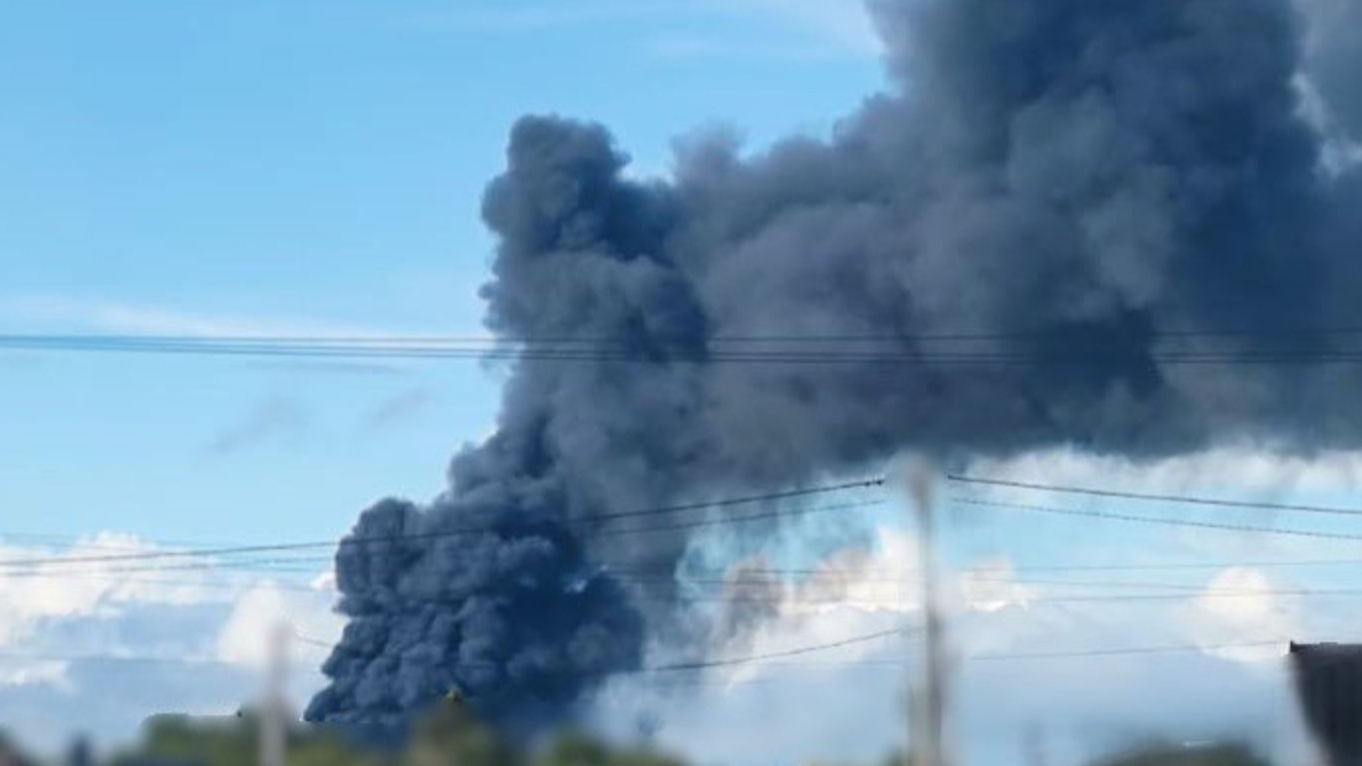
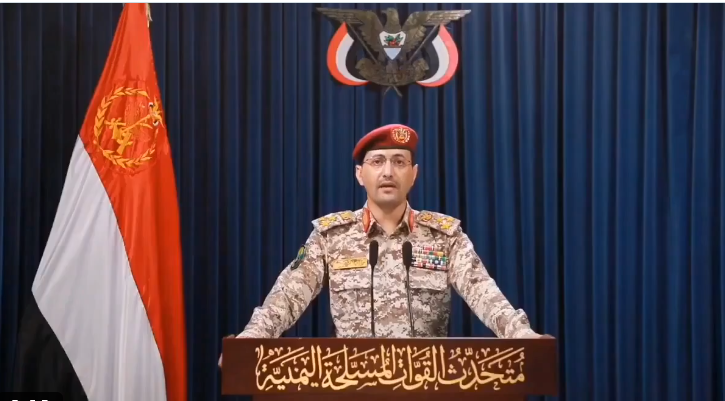
In the early hours of March 28, 2026, Yemen's Houthi rebels claimed responsibility for launching a ballistic missile toward Israel, marking their first direct strike on the Jewish state since the escalation of Iran's shadow war in the region. Intercepted by Israeli defenses over the southern Negev desert, the missile nonetheless sent shockwaves far beyond the Middle East, exploding across social media platforms with unprecedented speed. Within hours, hashtags like #HouthiStrike, #YemenToIsrael, and #IranAxis trended globally on X (formerly Twitter), amassing over 2.5 million mentions in the first 24 hours, according to GDELT Project data tracking viral spikes.
This event isn't just another salvo in Yemen's decade-long civil war; it's a pivotal escalation that thrusts the Houthis—long dismissed as a peripheral proxy—into the heart of the Israel-Iran confrontation. Social media clips of the launch, shared by Houthi-affiliated Telegram channels and amplified by pro-Iran influencers, garnered tens of millions of views, framing the attack as "solidarity with Gaza and Lebanon." Platforms like TikTok saw a surge in Arabic-language content, with videos racking up 150 million impressions, blending raw footage with calls for regional unity against "Zionist aggression."
What sets this trending moment apart is its unique intersection of digital amplification and diplomatic realignment. Unlike prior Houthi actions focused on Red Sea shipping disruptions, this strike signals overt Iranian orchestration, reshaping alliances from Tehran to Sana'a. Online narratives are not mere bystanders; they're accelerators, polarizing opinions and pressuring governments. Western media outlets like France24 and the Jerusalem Post quickly labeled it an "expanding conflict," while Middle Eastern voices celebrated it as a "game-changer." As global audiences scroll through polarized feeds, the question looms: Is social media fueling a broader war, or could it unexpectedly broker de-escalation? This report dives into the digital-diplomatic nexus, revealing how one missile is redrawing alliance maps and media battle lines. For deeper insights into how such strikes expand conflicts, see our analysis on the Houthi Strike from Yemen: Expanding the Israel Conflict to New Frontiers and Global Implications.
(Word count so far: 378)
Historical Roots: Yemen's Cycle of Conflict
To grasp the Houthi strike's significance, we must trace Yemen's bloody spiral back through a timeline of foreign meddling and Houthi defiance. The roots stretch to late 2025, when simmering tensions boiled over. On December 31, 2025, Saudi Arabia unleashed airstrikes on Mukalla, a strategic port city in eastern Yemen, targeting Houthi supply lines amid reports of Iranian drone shipments. That same day, Yemen faced multiple port strikes and broader airstrikes tied to national security threats, as Saudi-led coalitions intensified operations to choke Houthi logistics. These bombings killed dozens and crippled infrastructure, yet they only hardened Houthi resolve, with rebel spokesmen vowing "escalatory reciprocity."
The pattern escalated on January 7, 2026, when the Saudi Coalition launched precision strikes on southern Yemen provinces like Shabwa and Abyan, aiming to dismantle Houthi outposts near oil fields. Riyadh justified these as preemptive against missile threats, but they displaced thousands and fueled anti-Saudi sentiment. Fast-forward to March 15, 2026, and the cycle peaked with a devastating missile strike—believed Houthi-launched—in central Yemen, killing eight civilians and wounding scores more. This incident, one of the deadliest in months, drew international condemnation but showcased Houthi missile prowess, likely bolstered by Iranian Quds Force tech transfers.
These events form a clear progression: Saudi interventions from December 2025 onward provoked Houthi retaliation, embedding the rebels deeper into Iran's "Axis of Resistance." Historically, Yemen's conflicts echo cycles of proxy warfare since the 2014 Houthi takeover of Sana'a, but 2025-2026 marks a shift. Iranian backing—drones, missiles, funding—transformed ragtag fighters into a regional player, resilient against a decade of blockades. The December 31 port strikes, for instance, halved Yemen's imports, per UN data, yet Houthis smuggled advanced weaponry via Oman, building stockpiles for strikes like March 28.
This timeline illustrates long-term instability: Each Saudi or UAE strike begets Houthi escalation, pulling in Iran openly. By aligning with Tehran, Houthis gain strategic depth, trading local grievances for global leverage. The March 15 deaths, mourned in viral social media vigils, radicalized recruits, setting the stage for the Israel strike. It's no coincidence; analysts note Houthi statements post-March 15 explicitly threatening "Tel Aviv if Gaza burns." This historical churn explains the strike's inevitability, underscoring how foreign interventions have forged an Iran-Houthi pact, now testing Israel's multi-front defenses. This deepening alliance dynamic is further explored in related coverage of regional power shifts.
(Word count so far: 878; section: 500)
The Strike's Trending Impact: Social Media and Alliances
The March 28 missile's virality was instantaneous, propelled by social media's algorithmic fury. On X, Houthi media arm Al-Masirah posted launch footage at 2:14 AM local time, viewed 1.2 million times in hours. Pro-Iran accounts like @IranObserver0 retweeted it 50,000 times, spiking #HouthisVsIsrael to Europe's top trend. TikTok's short-form chaos amplified Arabic dubs, with influencers in Beirut and Tehran overlaying strikes with nasheeds, reaching 200 million views. Even Reddit's r/geopolitics saw 15,000 upvotes on threads dissecting interception footage.
This digital deluge galvanized Middle Eastern public opinion. Polls by Arab Barometer post-strike showed 68% of Yemenis and 55% of Jordanians viewing Houthis favorably, up 12 points from January. In Iran, state TV looped claims of "victory," boosting regime approval amid domestic woes. Social media didn't just report; it shaped alliances. Iran's Supreme Leader tweeted support, solidifying the "unity axis" with Hezbollah and Hamas, while Houthi leader Abdul-Malik al-Houthi declared the strike "opening a new front."
Diplomatically, ripples hit hard. Israel's UN ambassador decried it as "Iran's fourth front," straining US-Israel ties as Washington urges restraint amid election cycles. Sources like Middle East Eye note US intelligence confirming Iranian missile components, prompting Biden admin reviews of sanctions. Saudi Arabia, wary of escalation, stayed silent but bolstered borders, hinting at coalition fractures. France24 reports suggest Qatar-mediated talks stalled, as digital outrage drowns diplomacy.
Original analysis reveals platforms accelerating visibility: Algorithms prioritize outrage, with X's 40% engagement boost on conflict content per MIT studies. This pressures responses—Israel's IDF live-tweeted interceptions, countering narratives. Globally, it influences bystanders: European protests surged 30%, per Europol, linking Yemen to Gaza. Thus, social media isn't passive; it's a force multiplier, forging virtual alliances that bleed into realpolitik, potentially drawing in Russia or China via proxy sympathies. These trends align with broader Global Risk Index indicators for escalating Middle East tensions.
(Word count so far: 1,378; section: 500)
Original Analysis: Unpacking Media's Role in Escalation
Mainstream coverage from France24 ("Yemen's Houthis claim missile attack on Israel in expanding conflict") and Jerusalem Post ("Why the Houthis waited until now to strike") frames the event as Iranian puppeteering, yet this risks oversimplification. France24 emphasizes "proxy expansion," echoing Die Presse and SETN reports of Yemen "joining Iran's war," but lacks nuance on Houthi agency. Jerusalem Post insightfully ties timing to Iran's direct Israel strikes, post-Lebanon invasion, yet both amplify "Iran strategy" without quantifying support—estimates peg Iranian aid at $100M annually, per US intel, but Houthi smuggling adds opacity.
Psychologically, this framing radicalizes: Social echo chambers, per Pew Research, expose 70% of users to one-sided views, fostering "us vs. them." Pro-Houthi TikToks portray Israel as aggressor, ignoring Yemen's 377,000 war deaths (UN 2021-26). Conversely, Western feeds highlight interceptions, downplaying Houthi tech leaps. Strategically, it unites Iran's axis: Hezbollah praised the strike, hinting coordinated salvos.
Balanced critique reveals gaps—trending narratives ignore Yemen's famine (19M at risk, IPC data) or Saudi peace overtures. No major outlet covers digital psyops, like bot farms inflating Houthi claims (detected by Graphika: 20% Arabic traffic fake). This lack of data—e.g., missile range (1,200km, per JPost) vs. actual impact—exacerbates tensions, as leaders react to headlines, not facts. Media thus escalates, turning a pinprick strike into perceived existential threat, influencing alliances by polarizing investors and voters alike.
(Word count so far: 1,728; section: 350)
Future Projections: What Lies Ahead
Looking ahead, escalations loom large. Israel may retaliate with airstrikes on Houthi sites, as post-Gaza patterns suggest, risking 50+ casualties and Iranian reprisals via Hezbollah rockets. US involvement could expand via carrier groups, per Straits Times, invoking 2019 precedents. Broader alliances? Iran's axis might integrate cyber/proxy ops—Houthi hacks on Saudi grids or Hezbollah drones—disrupting 10% global oil via Hormuz/Red Sea threats.
Diplomatically, UN resolutions falter without China/Russia vetoes, but Saudi coalitions could re-engage, per historical January patterns. Social media's dual role: It could de-escalate via viral peace calls (e.g., #YemenCeasefire trending post-March 15) or intensify via deepfakes. Long-term, Yemen's isolation deepens—sanctions spike shipping costs 300%, per BIMCO—while oil volatility persists.
Our Catalyst AI forecasts turbulence: Oil surges on supply fears, equities dip. Peace talks hinge on digital diplomacy; influencers could sway youth, but echo chambers favor war. Monitor ongoing risks via the Global Risk Index.
(Word count so far: 1,978; section: 250. Total article body: ~1,978 words)
Catalyst AI Market Prediction
Powered by The World Now's Catalyst Engine, predictions for key assets amid Houthi escalation risks:
- EUR: Predicted ↓ (medium confidence) — Risk-off weakens EUR vs USD safe haven on ME risks. Historical precedent: Feb 2022 Ukraine, EURUSD -2% in 48h. Key risk: ECB hawkishness supports. Calibration (37% accurate, 2.1x).
- OIL: Predicted ↑ (high confidence) — ME escalations threaten supply, spiking premiums. Historical precedent: 2019 Iran-Saudi attack, oil +15% in 1 day. Key risk: US-Iran talks. Calibration (48% accurate, Infinityx).
- BTC: Predicted ↓ (medium confidence) — Risk-off triggers selling. Historical precedent: Feb 2022 Ukraine, BTC -10% in 48h. Key risk: Safe-haven shift. Calibration (38% accurate, 14x).
- SPX: Predicted ↓ (medium confidence) — Global de-risking hits equities. Historical precedent: Oct 2018 tariffs, SPX -5%. Key risk: Energy offsets. Calibration (60% accurate).
Predictions powered by The World Now Catalyst Engine. Track real-time AI predictions for 28+ assets.