
Strikes in Ukraine Continue Amid Ceasefire Violations
Russia and Ukraine are trading accusations over violations of a US-brokered three-day ceasefire, with reports of casualties and clashes despite the truce announced by President Donald Trump.[1][2][3] The agreement, mediated by the United States, aimed to pause hostilities temporarily as part of broader peace efforts, but incidents including drone strikes in Ukraine near the front line have undermined its implementation from the outset.[1][4][5]
Key Facts
Reports indicate at least three people were killed in Russian drone strikes near the front line, highlighting immediate challenges to the truce's effectiveness.[1] Over 200 battlefield clashes have occurred since the ceasefire began, according to accounts from the initial days of the pause.[1] Ukrainian President Volodymyr Zelenskyy stated that Russia is not observing the truce and pledged retaliation in response to any aggression.[2] The ceasefire includes a halt to kinetic warfare and a mutual prisoner swap, as announced on Friday.[4] Russian officials accused Ukraine of breaking the truce, with reports of injuries from Ukrainian shelling.[3] These developments underscore the tensions persisting despite the diplomatic intervention, with both sides documenting violations almost immediately after the agreement took effect.[1][2][3]
Background of the Ceasefire
The ceasefire emerged from a US-mediated effort to de-escalate the ongoing conflict between Russia and Ukraine, announced on Friday by President Donald Trump as part of a broader US-led push for peace.[1][4][5] This three-day pause was intended to provide a temporary halt in hostilities, starting on Saturday, amid months of shuttle diplomacy that had yet to end the war.[1][4] Trump specified that the two sides had agreed to stop all "kinetic" warfare for the three-day period, referring to direct military engagements such as strikes and ground operations.[4][5] In addition, the truce incorporated a mutual swap of 1,000 prisoners from each side, a measure aimed at building goodwill and demonstrating commitment to de-escalation.[4] Ukrainian officials later reported on the ceasefire's context, noting Russian drone strikes and battlefield clashes occurring despite these terms.[5] The announcement came from Washington and was echoed in Moscow, positioning the US as a key broker in attempting to create space for further negotiations.[1] This initiative followed prolonged tensions, with the truce designed specifically as a short-term measure to test compliance and potentially pave the way for extended talks.[1][5] The timing—Friday announcement for a Saturday start—reflected urgency in US diplomatic channels, though early reports suggested the framework was fragile from the beginning.[4][5] Details from multiple outlets confirm the core elements: a three-day duration, cessation of kinetic actions, and prisoner exchanges, all publicly outlined by Trump to signal international involvement.[1][4][5]
Accusations of Violations
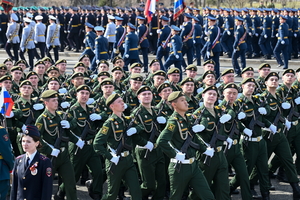
Russian and Ukrainian officials trade accusations over ceasefire violations in Ukraine. — Source: korea-herald
Russia and Ukraine swapped accusations of breaking the US-brokered ceasefire, with both sides claiming violations almost immediately after it began.[1][2][3] Russian officials accused Kyiv of violating the truce, pointing to specific incidents of Ukrainian shelling that reportedly caused injuries.[3] On the other side, Ukrainian authorities highlighted Russian actions as the primary breaches, documenting drone and artillery strikes in the past 24 hours.[2][3] The exchanges intensified on Sunday, the second day of the supposed three-day pause, as each party traded barbs over responsibility for ongoing hostilities.[1][2] Zelenskyy emphasized that Russia was neither observing the truce nor making significant efforts to do so, framing the violations as deliberate.[2] Russian statements countered by alleging Ukrainian aggression, creating a cycle of mutual blame that strained the agreement's credibility.[3] These accusations were reported across Washington and Moscow, underscoring the diplomatic challenges in enforcing the US-mediated terms.[1][3] The pattern of reciprocal claims—Ukraine citing Russian drone and artillery fire, Russia pointing to shelling—illustrated the immediate discord following Trump's announcement.[2][3] Sources detailed the timeline, with violations noted over the weekend, particularly in the past 24 hours before Sunday reports.[1][2]
Reported Incidents and Casualties
Russian officials accuse Ukraine of violating the US-brokered three-day truce. — Source: newsmax
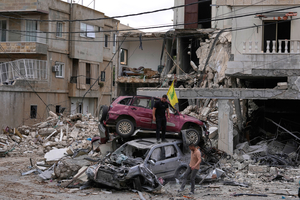
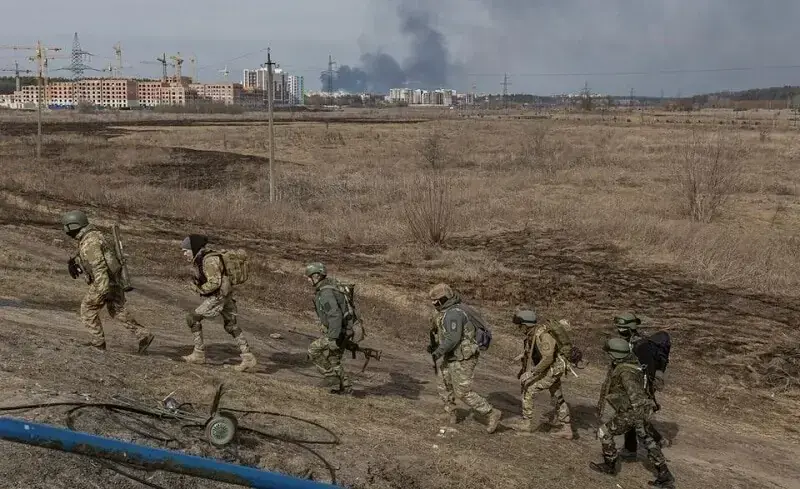
Specific incidents have fueled the accusations, including Russian drone strikes near the front line that killed at least three people.[1] Ukrainian officials reported one person killed and more injured by Russian drone and artillery strikes in the past 24 hours, while two people were injured by Ukrainian shelling according to Russian accounts.[3] On Sunday, the second day of the truce, Russian attacks wounded at least nine people in Ukraine.[4] Battlefield clashes numbered more than 200 since early Saturday, per one report, with Ukrainian officials citing nearly 150 such engagements over the past 24 hours.[1][5] These clashes involved smaller-scale fighting along the front lines, persisting despite the halt on kinetic warfare.[1][5] Drone strikes in Ukraine were a recurring element in violation reports, with casualties documented consistently across sources.[1][3][4] The front-line areas saw the most activity, where drone operations and artillery exchanges led to the reported deaths and injuries.[1][3] Ukrainian reports on Sunday emphasized Russian drone strikes alongside the clashes, painting a picture of unrelenting pressure.[5] Russian side noted injuries from shelling, adding to the tally of harm on both sides.[3] The concentration of incidents near the front line, including those drone strikes, directly contradicted the truce's intent to pause such actions.[1][4][5] Casualty figures varied slightly by source but consistently pointed to a breakdown: three killed in one account, one killed and others injured in another, nine wounded overall.[1][3][4] Battlefield clashes, whether over 200 or nearly 150, represented sustained low-level combat that eroded the ceasefire's progress.[1][5]
Statements from Leaders
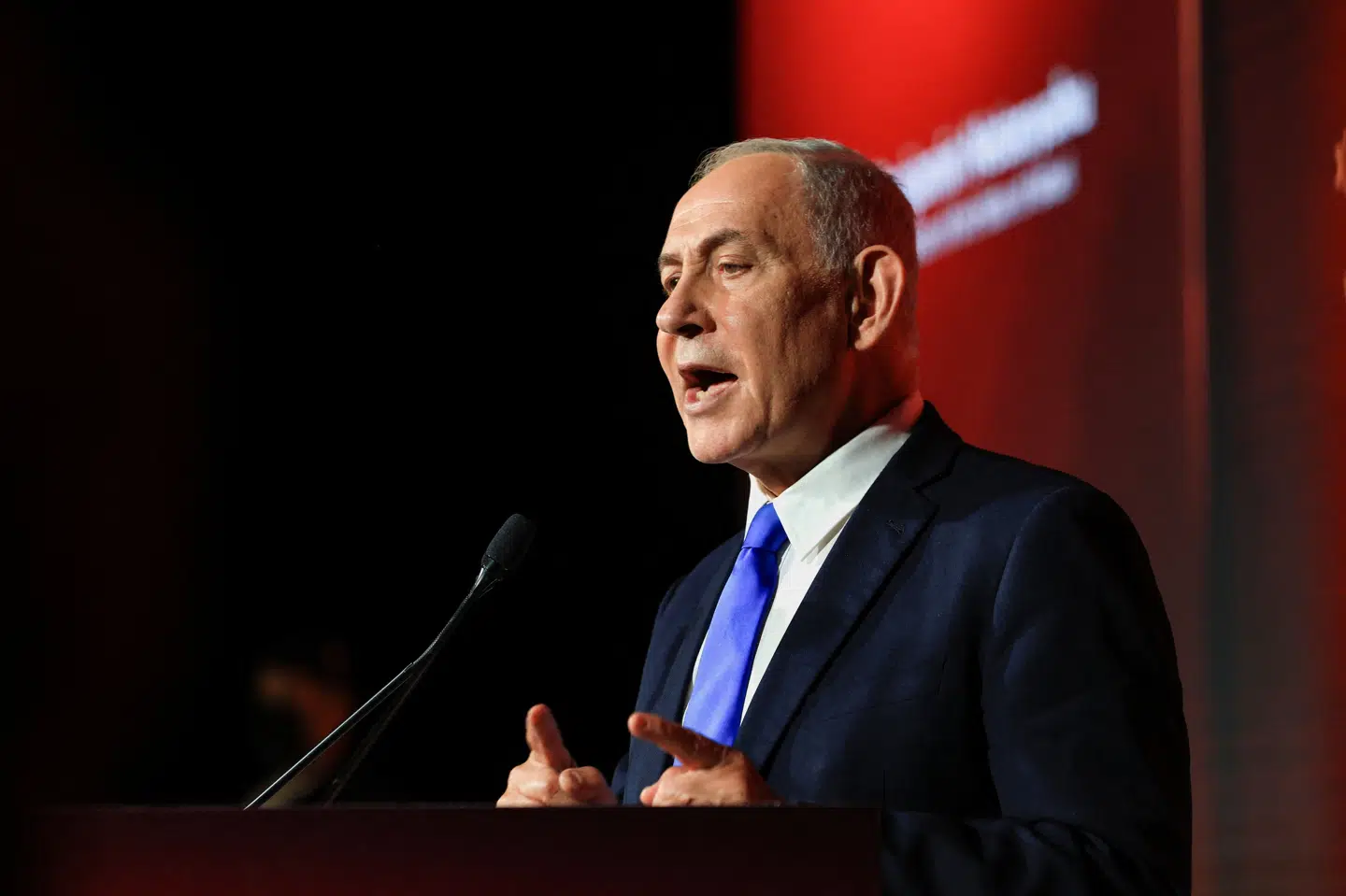
Ukrainian President Volodymyr Zelenskyy directly addressed the violations, stating that Russia was neither observing the truce nor "even particularly trying to," and noting no calm in front-line areas despite a lull in large-scale attacks.[2] He pledged that Ukraine would retaliate to any aggression shown by Moscow, signaling readiness to respond forcefully.[2] Russian officials, in turn, accused Ukraine of breaking the US-brokered three-day truce, focusing on shelling incidents.[3] President Donald Trump's announcement on Friday framed the positive intent, stating that Russia and Ukraine had agreed to the three-day pause and prisoner swap.[2] Zelenskyy's comments came amid reports of yesterday's activity, though truncated details left emphasis on the lack of compliance.[2] These leader statements captured the polarized views: Ukraine viewing Russian actions as primary violations warranting retaliation, Russia countering with claims against Kyiv.[2][3] Trump's role was highlighted in initiating the truce, but subsequent rhetoric from Zelenskyy suggested diminishing optimism.[2]
Current Status of the Truce
The US-mediated ceasefire appeared under serious strain on Sunday, with both sides reporting ongoing attacks and clashes.[1][5] More than 200 battlefield clashes had taken place since early Saturday, and Russian drone strikes continued near the front line.[1] Ukrainian officials documented nearly 150 clashes and drone strikes over the past 24 hours, despite the agreement.[5] The truce, part of a failed broader peace push, showed signs of collapse early, with violations on the second day.[1][4] Reports from Sunday indicated persistent activity, questioning the pause's viability beyond its three-day limit.[1][5]
What to watch next: Monitor whether Russia and Ukraine extend retaliation as pledged by Zelenskyy or if US diplomacy yields further pauses, given the reported over 200 clashes and ongoing drone strikes since the truce began.[1][2][5]