Guatemala Volcano Activity Decreases After Triggering 1,700 Evacuations
Activity at Guatemala's Fuego volcano that triggered evacuations is gradually decreasing, but risks remain due to potential lahars from incoming rainfall. The Guatemala volcano known as Fuego began its latest eruptive phase on Monday morning, leading authorities to order preventive measures across affected areas. [1]
Current Status of Eruptive Activity
Activity at Guatemala's Fuego volcano that began Monday morning and caused widespread evacuations is gradually decreasing, authorities said Wednesday. [1] After more than 50 hours of elevated activity, the weather and volcano monitoring authority declared the latest eruptive phase of the Volcán de Fuego ended. [4] Live broadcasts of the volcano's activity show periods of complete clarity interspersed with ash emissions. [1] Early Tuesday morning, the volcano spewed lava that reached a height of about 300 meters, triggering red alerts, evacuations, a highway's closure, and the suspension of classes in three departments. [1] The intensity of the eruption had slightly decreased by Tuesday morning even as it continued without interruption for 23 hours. [2] Most of the nearly 1,700 evacuated residents have therefore already begun returning to their homes. [4]
Evacuations and Returns
Approximately 1,700 people have been evacuated from at least 18 communities on the slopes of Fuego after the eruption that began on Monday. [1] CONRED also confirmed that some people who were evacuated between Monday and Tuesday returned voluntarily to their homes. [1] Firefighters reported evacuating at least 500 residents from the villages of El Porvenir and Las Lajitas in the municipality of San Juan Alotenango. [2] Local authorities in the city of Escuintla to the south sheltered several dozen more families, including those with children. [2] The head of the national disaster protection authority, Claudinne Ogaldes, noted that most of the nearly 1,700 evacuated residents have begun returning to their homes. [4] CONRED urged the population to remain cautious because the eruptive activity continues. [1] Authorities recommended following instructions on preventive evacuation. [3]
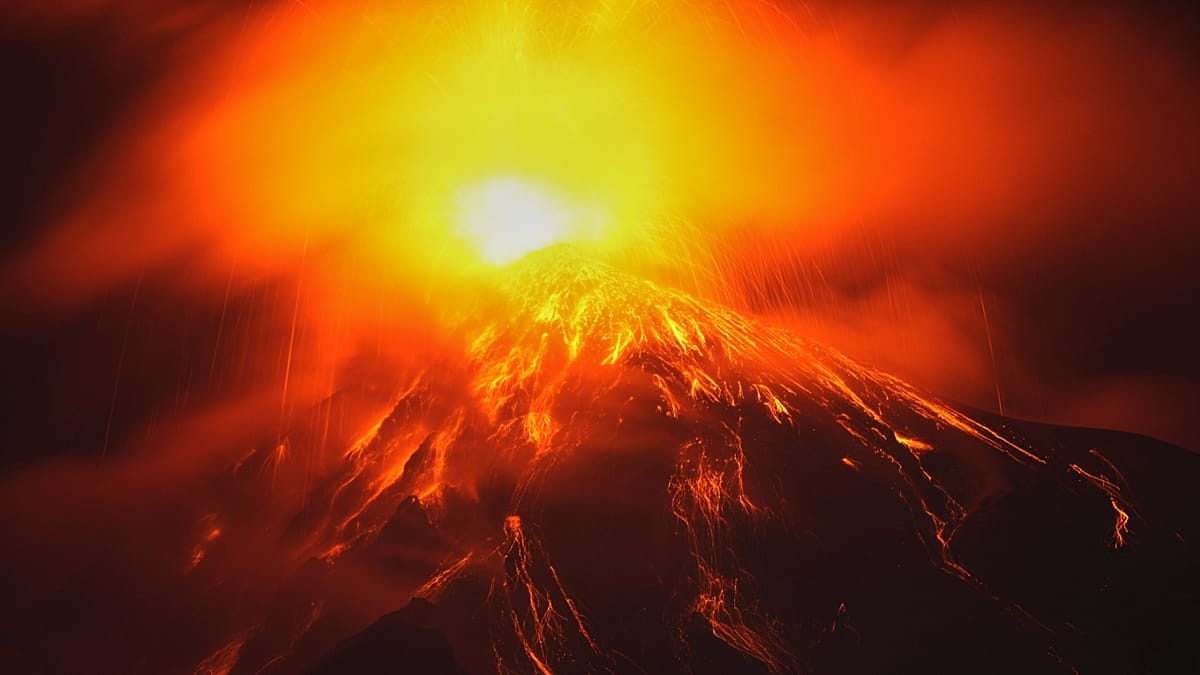
Guatemala's Fuego volcano emits ash during its eruptive phase that prompted evacuations. — Source: gdelt
Remaining Hazards and Warnings
CONRED warned that rainfall from a tropical wave could trigger deadly volcanic mudflows known as lahars. [1] The agency urged the population to remain cautious because rainfall from a tropical wave from the east could trigger potentially deadly volcanic mudflows known as lahars. [3] Even though the return to the affected communities is now considered safe, Ogaldes called for continued caution because further eruptions cannot be ruled out. [4] Hot flows of gas, ash and rock fragments, known as pyroclastic flows, had flowed down the slopes of the volcano. [4] The institute of volcanology warned of the descent of hot flows of volcanic debris down the slopes of Fuego, with the greatest risk to communities on the western and southern slopes. [2] Officials continue to monitor the situation closely while advising residents to stay away from danger zones. [5]
Immediate Response Measures
Early Tuesday morning, the volcano spewed lava that reached a height of about 300 meters, triggering red alerts, evacuations, a highway's closure, and the suspension of classes in three departments. [1] A red alert, the highest level of warning, was declared in the departments of Sacatepéquez, Chimaltenango and Escuintla, home to 1.6 million people. [2] The education ministry suspended in-person classes in populated areas of two municipalities near the volcano. [2] Police closed and then reopened the road leading to the neighboring colonial city of Antigua. [2] The National Coordinator for Disaster Reduction, or CONRED, is monitoring the situation closely and recommends that people absolutely do not approach the danger zone. [5] The operation of the capital's international airport has not been affected by the eruption. [2] Evacuated residents were placed in a community center building where temporary beds were set up. [2]
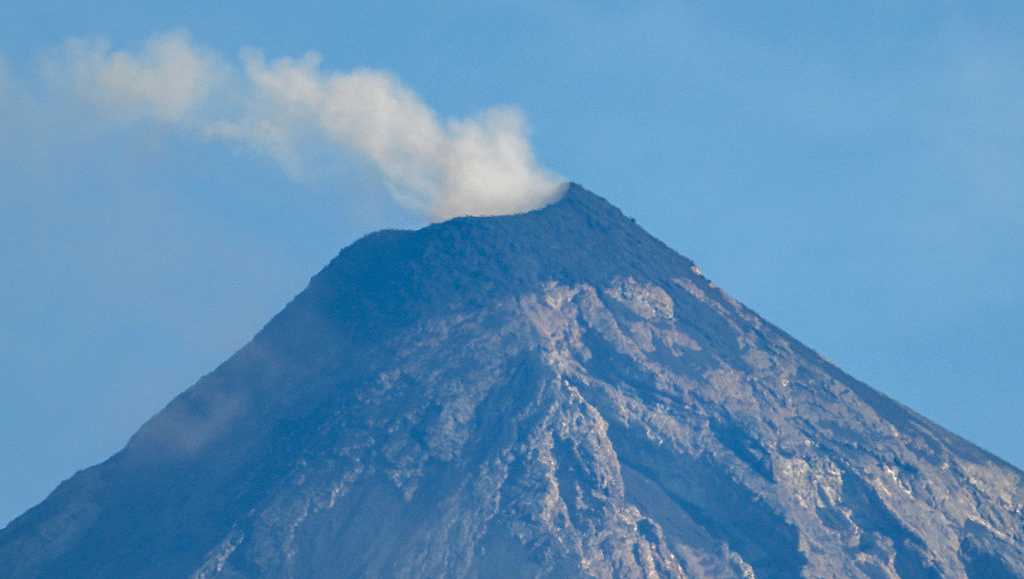
Fuego volcano in Guatemala emits ash after its eruptive phase decreased. — Source: gdelt
Volcano Characteristics and Location
Fuego volcano, one of Guatemala's most active, has an elevation of 3,768 meters and is considered a stratovolcano: a tall, cone-shaped volcano formed by layers of hard lava, ash and rock. [1] It is located between the departments of Escuintla, Chimaltenango and Sacatepéquez in the southern and central regions of the country and is 53 kilometers from Guatemala's capital. [1] The volcano stands approximately 40 kilometers southwest of the capital Guatemala City. [4] Guatemala lies on the Pacific Ring of Fire and frequently experiences seismic and volcanic activity. [2] Fuego is regarded as one of the most active volcanoes in Central America. [2]
Historical Eruptions and Context
A volcanic eruption on Sunday, June 3, 2018, killed hundreds of people, wiped out an entire community and impacted up to 1.7 million people. [1] In 2018, lava flows rushed down the slopes of Fuego and destroyed a village, killing 215 people with roughly the same number listed as missing. [2] Another eruption last year spurred preventive evacuations. [1] In the past year authorities evacuated more than 500 people after Fuego emitted gas and ash. [2] An eruption in 2023 forced around 1,200 people to leave their homes. [2] Over the past years several mass evacuations have been carried out due to eruptions of Fuego. [2]
What to watch next: Officials will continue monitoring for potential lahars triggered by rainfall from the approaching tropical wave while advising residents to follow all preventive evacuation instructions as eruptive activity persists.