
Geopolitics Lebanon reaches partial ceasefire after Trump confronts Netanyahu
Developments in geopolitics Lebanon produced a partial ceasefire announcement after President Trump directly confronted Israeli Prime Minister Netanyahu during a heated phone call over continued strikes. The exchange centered on Israel's bombardment of Lebanon and resulted in the United States declaring a limited halt to hostilities.
US Announces Partial Ceasefire
The United States announced a partial ceasefire between Israel and Lebanon following President Trump's reported confrontation with Israeli Prime Minister Netanyahu. During the call, Trump criticized Netanyahu's approach to the strikes and blocked a planned attack on Beirut. [2] Reports described Trump calling Netanyahu "crazy" while noting that "everybody hates you now" and accusing him of ingratitude. [3] The president also cited concerns over civilian casualties and disproportionate escalation even while recognizing Israel's right to self-defense. [3] US officials described the discussion as tense, with Trump intervening to prevent further escalation in the Lebanese capital. [2]
Geopolitics Lebanon and UN Security Council Reactions
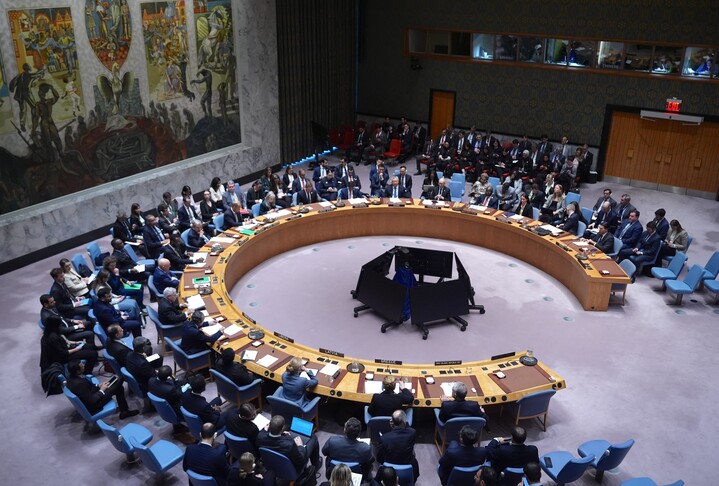
Most members of the UN Security Council denounced Israel's military escalation in Lebanon. France, Russia, China, and the United Kingdom condemned the expanding military actions, while the United States placed sole blame on Hezbollah for the violence. [1] These positions emerged as the partial ceasefire took shape, highlighting divisions within the council over how to address the conflict. The statements from the four permanent members reflected widespread concern about the scope of Israeli operations inside Lebanon. [1]
Hezbollah Acceptance of US Proposal
Lebanon stated that Hezbollah accepted a US proposal to stop attacks on Israel in exchange for Israel halting strikes on south Beirut. [5] The arrangement followed President Trump's reported "very good call" with the Iran-backed group. [5] Lebanese officials presented the acceptance as a direct response to the American initiative aimed at reducing cross-border exchanges. This step aligned with the broader partial ceasefire declared by the United States. [5]
Iran's Diplomatic Stance
Iran suspended talks with Washington over Israel's campaign in Lebanon. [4] The decision positioned Lebanon as a test of Trump's Iran diplomacy and raised questions about whether Tehran was increasing its leverage or overplaying its hand in postwar negotiations. [4] By stepping back from discussions, Iran signaled that continued Israeli operations remained an obstacle to any immediate diplomatic progress. [4]
What to watch next is whether the partial ceasefire holds after Hezbollah's reported acceptance of the US proposal and how Iran's suspension of talks affects future diplomacy between Washington and Tehran.