

Doomsday Clock Remains Steady as Finnish President Rules Out Russian Nuclear Use or NATO Attack
Finnish President Alexander Stubb has assessed that Russia will not use nuclear weapons against Ukraine or attack NATO, a position that aligns with the doomsday clock remaining steady amid ongoing tensions. Stubb cited both intelligence assessments and the strength of Western deterrence as key reasons Moscow is unlikely to pursue those paths.
Finnish Assessment of Russian Nuclear and NATO Intentions
Stubb stated in an interview published by Bild on Aug. 29 that Russia will not use nuclear weapons against Ukraine or attack NATO. [1] He pointed to intelligence and the deterrent power of the Western alliance as decisive factors. [1] "Firstly, I have intelligence. And secondly, we have a deterrent — and this deterrent is stronger than that of any other military power anywhere in the world," Stubb said. [1] He added that it makes no sense for any power to test the resolve of the alliance. [1] Stubb also referenced a conversation with China's foreign minister, who stated that China would never allow Russia to use nuclear weapons, describing this position as an effective deterrent. [1] The assessment draws on these elements to conclude that Russian escalation through nuclear means or direct confrontation with NATO remains off the table.
Russia's Limited Escalation Options and Likely Mobilization
Finnish President Alexander Stubb speaks during an interview about Russian nuclear intentions and NATO deterrence. — Source: gdelt
Stubb explained that Russia's options for escalation are quite limited, with mobilization representing the only remaining tool available to Moscow. [1] He noted that Russia is suffering too many losses to open a second front against another European country and cannot mobilize enough troops for such an effort. [1] Fear that Russia could escalate or expand its war serves as the goal of Russian misinformation, according to Stubb, who dismissed such concerns while still urging Europe to prepare for the worst in order to prevent it. [1] He expects Russia to proceed with mobilization in the fall despite domestic political risks, as indicated by new laws restricting movement and closing borders. [1] "At the moment, Russia's options for escalation are quite limited. The only thing Russia can still escalate with is mobilization. And I believe mobilization would have domestic political repercussions in Russia," Stubb said. [1] He added that at the current pace, Russia cannot maintain its war effort for much longer. [1] Kremlin spokesperson Dmitry Peskov denied plans for new mobilization on Aug. 25 and accused Ukrainian authorities of planting fabricated stories to destabilize the situation. [1]
Polish Warnings on Potential NATO Provocations
Polish Prime Minister Donald Tusk warned that Russia could test NATO with provocations against a member state and that the next six months will be decisive. [3] Tusk made the remarks on the platform X after talks with NATO Secretary General Mark Rutte, stating that escalation from Russia is underway. [3] He emphasized that Ukraine needs greater air support, which also matters for allied security, and called for close monitoring of developments in the coming period. [3] Tusk noted that the possibility of provocations by Russia against a NATO member state cannot be excluded. [3] The warning comes as Poland continues to support Ukraine politically and militarily while increasing its own defense spending in response to perceived threats from Moscow. [3]
U.S. Diplomatic Efforts and Kremlin Responses
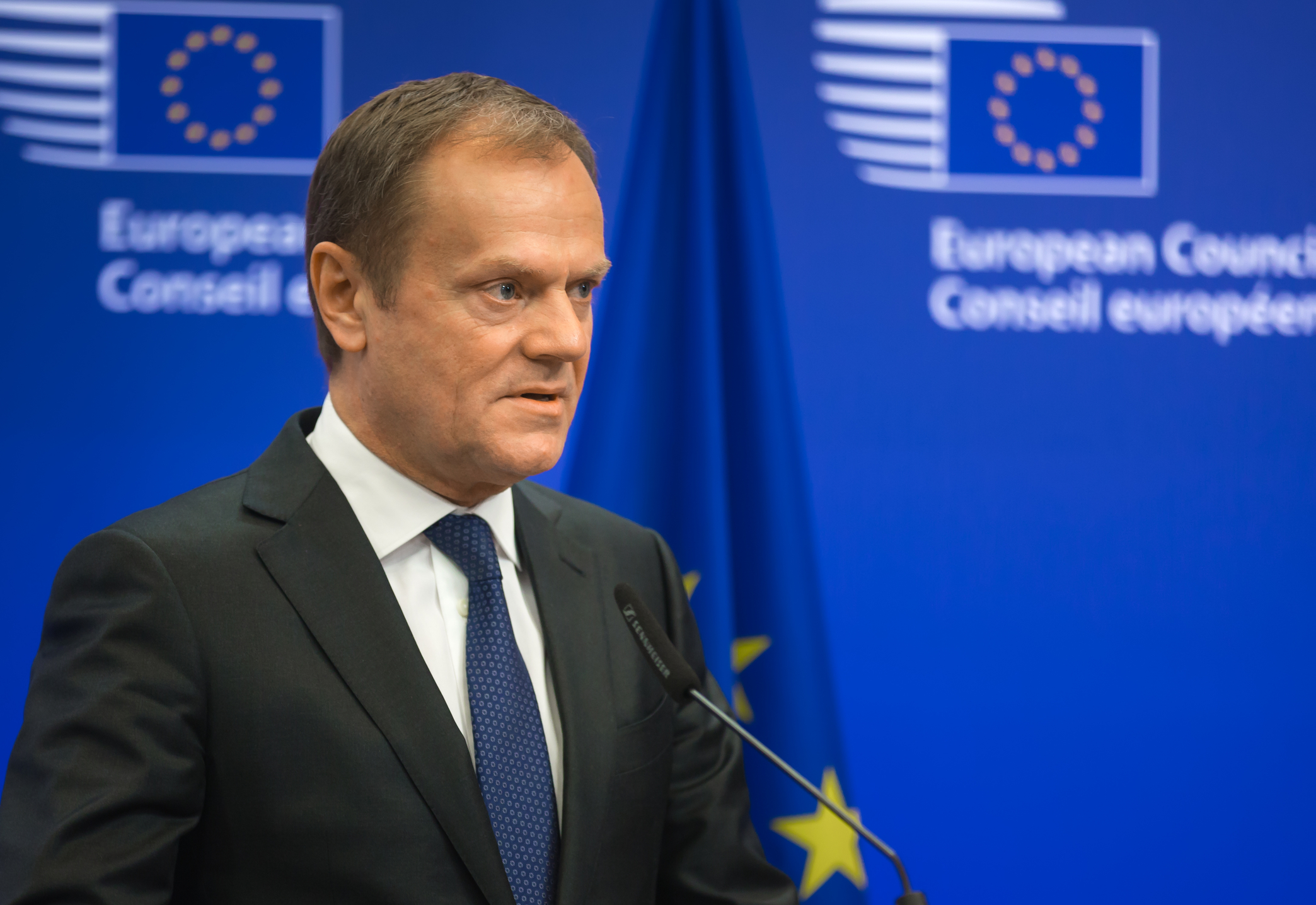
Finnish President Alexander Stubb speaks during an interview about Russian intentions toward NATO and Ukraine. — Source: gdelt
The CIA director visited Moscow to warn Russia against attacking NATO, though the Kremlin denied the reports and accused the West of fabricating them. [3] Reports in American media described the visit by CIA Director John Ratcliffe on Wednesday as conveying a direct message against striking a NATO member. [3] When asked about the reports, Russian authorities rejected the information and leveled accusations against the West regarding how developments between Russia and NATO are presented. [3] The episode unfolded against the backdrop of Tusk's assessment that Russian escalation is progressing and requires heightened attention in the decisive months ahead. [3]
U.S. Military Exhaustion from the Iran Conflict
A six-month Iran conflict has exhausted U.S. military resources and destroyed or damaged multiple U.S. bases in the Gulf region, with damages estimated at $4-9 billion. [2] The USS Abraham Lincoln has been at sea for what will become 295 consecutive days until it enters port in Thailand next month, marking the second-longest U.S. deployment since Vietnam. [2] The carrier's extended time at sea stems from the inability to use ports or receive resupply from vessels in Manama, Bahrain, after NSA Bahrain was destroyed early in the conflict by Iranian attacks. [2] Satellite imagery analysis by CSIS showed that Iran destroyed more than a dozen buildings at Naval Support Activity Bahrain, along with two satellite communications terminals and a communications facility. [2] Across 12 main bases, CSIS examined damage to 122 structures, with notable losses including up to $1 billion at Camp Arifjan in Kuwait, between 520 and 857 million dollars at Camp Buehring, up to 787 million dollars at Ali Al Salem Air Base, up to 577 million dollars at Al Dhafra Air Base in the UAE, between 172 and 466 million dollars at Al Udeid Air Base in Qatar, and damage at Prince Sultan Air Base in Saudi Arabia. [2] CSIS concluded that Iranian attacks were precise, with most affected facilities rendered unusable afterward. [2] The Pentagon did not include reconstruction costs in its July request to Congress for an additional 67.1 billion dollars related to the Iran conflict, which included 21 billion dollars for weapon replacements. [2] Approximately a quarter of the U.S. MQ-9 Reaper drone fleet, or about 45 aircraft, were either struck on the ground or shot down during reconnaissance missions made necessary after Iranian strikes destroyed U.S. radar monitoring stations. [2]
Prospects for Reduced U.S. Presence in the Middle East
Base damages, ammunition depletion, and broader strategic shifts may lead a second Trump administration to significantly reduce the U.S. military footprint in the Gulf region. [2] The Navy has temporarily moved the headquarters of the Fifth Fleet to Tampa, Florida, where it is likely to remain. [2] The future of NSA Bahrain remains in question following its devastation and evacuation. [2] A Pentagon review is expected to result in a reduced U.S. presence in the Gulf, accelerated by the destruction during the Iran war and the need to move further from the range of Iranian Shahed drones, building on an existing shift toward the Pacific. [2] Allison Minor of the Atlantic Council stated that a reevaluation of the security situation in the region was long overdue and that some in the Trump administration may seek to significantly reduce U.S. presence. [2] She added that over the next five years the U.S. presence in the Gulf will look very different, with possible reductions in size and changes to the nature of most bases, though complete withdrawal from any country is unlikely. [2] Tehran's view of any such reduction as a victory was noted, yet Minor argued that decisions should be made pragmatically for U.S. interests rather than to avoid giving Iran a rhetorical win. [2]
What to watch next: Developments in Russian mobilization plans during the fall, NATO monitoring of potential provocations over the next six months, and Pentagon reviews that could reshape the U.S. military footprint in the Gulf.