

Fighting in Most Dangerous Countries Displaces Families Across Yemen and Sudan
Escalating hostilities between Houthi militants and government forces in Yemen’s Taiz governorate have triggered mass displacement of more than 900 families in recent days while fighting also intensifies in Sudan’s Blue Nile state. [2] Renewed clashes have created severe conditions in most dangerous countries where civilians face ongoing risks from shelling and restricted movement. [4] Authorities have noted that displacement could rise further as the confrontations spread across western Yemen. [2]
Heavy Losses and Chaos Among Houthi Forces in Taiz
A field source in the Maqbanah front confirmed that Houthi militia forces entered a state of confusion and low morale after their recent attack on joint forces positions failed. [1] The death of attack commander Abu Ali al-Madani at the Kadha front, along with the loss of most attacking elements, led to major disarray inside the militia ranks. [1] Militia members fired most of their ammunition randomly into the air during the retreat. [1] While attempting to flee, fighters stepped on mines they had planted earlier in the area, causing the explosives to detonate among them. [1] Bodies of the militia casualties remain scattered along the length of Jabal al-Numan and the surrounding ravines because retrieval efforts were blocked by intense fire from opposing forces. [1]
Mass Displacement Triggered by Renewed Fighting in Most Dangerous Countries
Hostilities escalated along the Taiz frontlines in the early hours of 3 September with intense shelling and clashes in Maqbanah and Jabal Habashi districts. [4] An estimated 1,790 households have been displaced since 3 September, and movements were continuing at the time of reporting. [4] Most displaced families are moving within Maqbanah and Jabal Habashi, while others have headed to additional locations. [4] More than 900 families were displaced in two days as fighting intensified in Yemen’s Taiz. [2] Authorities warn that displacement could rise as renewed clashes between government forces and Houthis spread across western Yemen. [2]
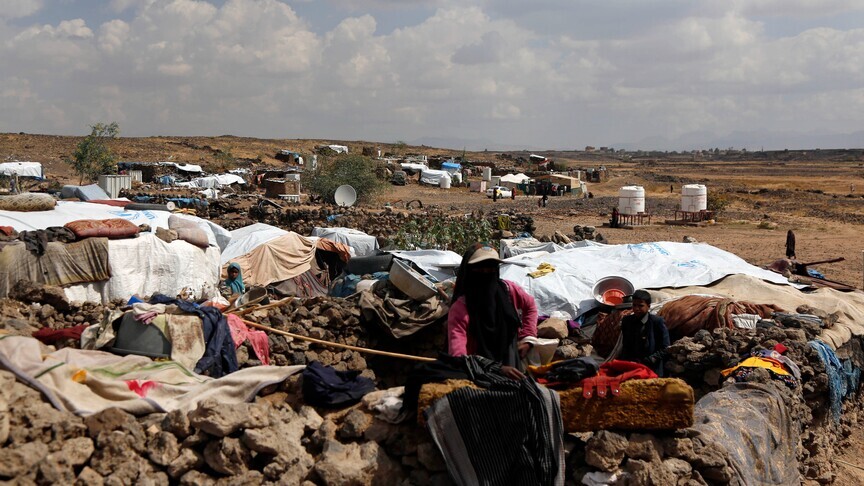
Over 900 families displaced by intensified fighting in Yemen’s Taiz governorate. — Source: anadolu
Escalating Hostilities in Sudan’s Blue Nile
Escalating hostilities in Blue Nile are driving new displacement, increasing protection risks and further constraining humanitarian access. [3] More than 23,000 people have reportedly been displaced from Geissan and Al Kurmuk localities since 11 August. [3] Insecurity and movement restrictions are disrupting humanitarian operations and access to essential services. [3] The Protection Cluster has expressed concern that continued hostilities will compound these challenges for affected populations. [3]
UN Calls for Restraint Across Front Lines
Stephane Dujarric stated that the UN remains deeply concerned by the ongoing military clashes across multiple front lines in Yemen. [5] The UN has urged restraint in Yemen and warned of civilian risks in related contexts. [5] Officials highlighted the need for de-escalation to protect civilians amid the military activity. [5]
Humanitarian Concerns and Outlook
The combined effects of clashes in Taiz have raised protection risks for displaced households moving within Maqbanah and Jabal Habashi districts. [4] In Sudan’s Blue Nile, more than 23,000 people displaced since 11 August face heightened protection risks and limited access to services because of insecurity and movement restrictions. [3] Humanitarian operations remain constrained in both locations, with aid delivery hampered by active fighting and access barriers. [3] [4] Continued hostilities are expected to produce further displacement and service disruptions unless the situation stabilizes. [2] [3]
What to watch next: Observers will monitor whether additional households move from Maqbanah and Jabal Habashi as clashes persist and whether humanitarian access improves in Geissan and Al Kurmuk localities amid ongoing restrictions.