
Ukraine war involves mutual accusations over U.S.-backed ceasefire violations
Ukraine and Russia are accusing each other of violating a U.S.-backed ceasefire amid ongoing efforts to end the war.[2][4] In the war in Ukraine that has persisted for more than four years,[2][3] these mutual recriminations have cast doubt on a recent three-day pause in hostilities, even as diplomatic channels remain open.[2][4] Ukrainian President Volodymyr Zelenskyy has indicated that his country has made progress in nudging Russian President Vladimir Putin toward potential meetings aimed at resolving the conflict,[3][5] while an international report highlights the involvement of up to 8,000 Latin American fighters in Russian forces, many possibly victims of deception and human trafficking.[1] Despite months of shuttle diplomacy and U.S.-led initiatives, lasting peace remains elusive as both sides point fingers over ceasefire breaches.[2]
Current Ceasefire Developments
The recent U.S.-backed ceasefire in the war in Ukraine, intended as a three-day pause in hostilities, has quickly unraveled amid escalating accusations from both Ukraine and Russia.[2][4] This fragile agreement was positioned as part of a broader U.S.-led push for peace, reflecting intensive diplomatic efforts that have included months of shuttle diplomacy between the involved parties.[2] However, the ceasefire has come under significant strain, with reports indicating that neither side has fully adhered to the terms, leading to a breakdown in the temporary halt of fighting.[4]
Details from coverage of the situation reveal that the pause was meant to create space for negotiations toward a permanent end to the conflict, but instead, it has highlighted the deep-seated mistrust between Kyiv and Moscow.[2][4] The U.S. initiative, while ambitious, has not succeeded in stemming the violence, as the war in Ukraine enters its extended phase beyond four years.[2] Analysts observing these developments note that such short-term ceasefires often serve as testing grounds for longer-term commitments, but the immediate violations suggest challenges in enforcement and verification mechanisms.[2]
Further context from the reports underscores that the ceasefire's failure is not isolated but part of a pattern where temporary halts fail to transition into sustained de-escalation.[4] Both nations have publicly traded claims of infractions, with each asserting that the other initiated aggressive actions shortly after the pause began.[2][4] This exchange has intensified tensions along the front lines, where military positions remain heavily contested. The U.S.-backed nature of the ceasefire adds an international dimension, as it involves external mediation in an effort to broker stability, yet the mutual blame game indicates that domestic military priorities may override diplomatic gains.[2]
In examining the status of this ceasefire, it becomes clear that while the three-day window provided a brief respite, its collapse reinforces the volatility of the battlefield dynamics.[4] Ongoing monitoring by international observers would be crucial, though sources do not specify the involvement of third-party verifiers in this instance.[2] The broader U.S.-led peace push, encompassing this ceasefire, continues despite setbacks, but its inability to hold points to the need for more robust guarantees in future attempts.[2][4] These developments serve as a microcosm of the challenges in achieving even short-term lulls in a conflict marked by entrenched positions on both sides.

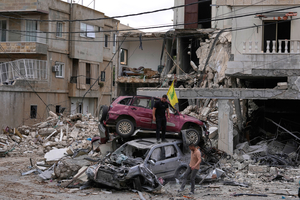
Ukraine and Russia accuse each other of violating a U.S.-backed ceasefire. — Source: japantimes
Diplomatic Efforts for Peace
Diplomatic maneuvers in the war in Ukraine have seen notable statements from key leaders, with Ukrainian President Volodymyr Zelenskyy asserting that Ukraine has successfully pushed Russian President Vladimir Putin "a little" toward a potential meeting.[3] Zelenskyy has gone further, stating that Putin is "finally ready for real meetings," crediting Ukrainian efforts for this shift and emphasizing the need to establish a suitable format to facilitate such discussions aimed at ending the war.[5]
Putin's readiness to meet Zelenskyy in any third country has been framed specifically as an opportunity to finalize a peace agreement, underscoring the four-year duration of the conflict as a motivating factor.[3] This comes amid ongoing shuttle diplomacy, where intermediaries have been active in bridging the gap between the two leaders.[2] Zelenskyy's comments reflect a sense of incremental progress, portraying Ukraine's diplomatic pressure as instrumental in moving Putin from reluctance to conditional openness.[5]
The push for negotiations highlights a dual track of engagement: direct leader-level talks and broader international facilitation.[3][5] Sources indicate that while Putin has expressed willingness, it is tied explicitly to concluding a peace deal, suggesting that preliminary agreements or confidence-building measures may be prerequisites.[3] Zelenskyy's optimism about real meetings points to behind-the-scenes communications that have yielded this development, even as battlefield events complicate the timeline.[5]
Analysis of these statements reveals a delicate balance in diplomatic rhetoric, where both sides signal flexibility without conceding ground.[3][5] Ukraine's role in "pushing" Putin implies active lobbying through allies and public positioning, potentially leveraging Western support to influence Moscow's calculus.[5] The emphasis on a meeting format—whether in a neutral third country or under multilateral auspices—addresses logistical and security concerns that have historically stalled talks.[3] Despite these advances, the absence of a confirmed date or agenda tempers expectations, as diplomatic efforts have yet to translate into concrete outcomes.[2][5]
These efforts persist against the backdrop of failed ceasefires, positioning potential meetings as a critical next step.[3] The four-year war has likely fatigued both leaderships, making leader-to-leader engagement a logical escalation in peace pursuits.[3][5] Observers will scrutinize whether this momentum can overcome entrenched red lines on territory, security guarantees, and reparations, though current reports focus solely on the willingness to convene.[5]
Foreign Fighter Involvement
An international report estimates that between 1,000 and 8,000 Latin Americans are serving in the Russian army during its war against Ukraine, with many potentially deceived through what authors describe as a global human-trafficking network.[1] Presented in Kyiv in late April, the document titled "Fighters, Mercenaries or Victims of Human Trafficking?" was produced by the International Federation for Human Rights (FIDH), the Ukrainian organization Truth Hounds, and the Kazakhstan International organization.[1]
This report frames the recruitment of Latin Americans as a strategy to replenish front-line casualties, raising serious ethical and legal concerns about the methods employed.[1] The wide range in the estimate—1,000 to 8,000—reflects challenges in verifying numbers amid opaque recruitment practices, but it underscores the scale of foreign involvement from the region.[1] Authors highlight deception as a key tactic, where recruits may have been lured under false pretenses regarding the nature of service, compensation, or risks involved.[1]
The human-trafficking angle positions these fighters not merely as mercenaries but as potential victims exploited in a transnational scheme.[1] Produced collaboratively by human rights groups, the report calls attention to the global dimensions of the conflict, extending beyond Europe to Latin America.[1] Presentation in Kyiv aligns with Ukraine's efforts to document foreign participation in Russian forces, potentially for international advocacy or legal accountability.[1]
Contextually, this involvement suggests Russia's need to bolster manpower through external sources, as domestic recruitment faces limitations.[1] The report's focus on trafficking networks implies organized operations targeting vulnerable populations in Latin America, possibly via social media, agents, or false job promises.[1] While exact countries of origin are not detailed in available excerpts, the regional scope indicates a broad recruitment net.[1]
Implications for the war include diversified force compositions, which could affect morale, cohesion, and tactics on the Russian side.[1] Human rights implications are profound, as deceived fighters may face exploitation, abandonment, or prosecution upon capture.[1] The report's release serves as a call for investigation into these practices, potentially influencing international responses to foreign combatants.[1] As the conflict grinds on, such revelations add layers to the narrative of asymmetric warfare strategies.[1]
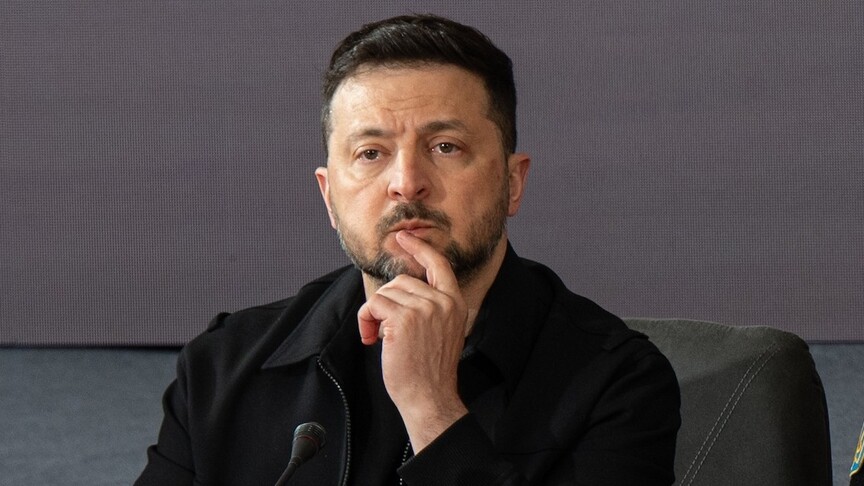
Ukrainian President Zelenskyy discusses progress toward a potential meeting with Putin. — Source: anadolu
Context of the Ongoing War
The war in Ukraine has endured for more than four years, marked by persistent hostilities despite repeated diplomatic interventions.[2][3] A recent U.S.-backed three-day ceasefire exemplifies the broader U.S.-led push for peace, which has involved months of shuttle diplomacy but has yet to yield a resolution.[2] This extended timeline frames current events, where ceasefire attempts falter amid mutual distrust.[2]
Zelenskyy's statements on pushing Putin toward meetings provide context for ongoing diplomatic tracks, with Putin expressing readiness for talks in a third country to finalize peace.[3][5] The four-year mark, as noted by both leaders, underscores the war's toll and the urgency for negotiations.[3] Ukraine's assertion that Putin is now open to real meetings reflects incremental diplomatic gains, though a suitable format remains to be defined.[5]
Sources portray a conflict where peace efforts, including ceasefires and leader statements, coexist with active combat.[2][5] The U.S.-backed pause's failure highlights enforcement gaps in a war characterized by positional warfare and attrition.[2] Diplomatic shuttle efforts indicate sustained international involvement, yet success hinges on leader-level commitment.[3]
This context reveals a protracted struggle where short-term measures like three-day halts test willingness for de-escalation without addressing root causes.[2][4] Zelenskyy's proactive stance—claiming credit for shifting Putin's position—suggests Ukraine's strategy of combining military resilience with diplomatic offensive.[5] Putin's conditional openness ties talks to finalizing an agreement, implying preconditions that could prolong stalemates.[3]
Broader efforts for peace have not succeeded, as evidenced by the ceasefire's collapse and ongoing blame.[2] The war's duration amplifies stakes, with economic, humanitarian, and geopolitical ramifications mounting.[3] International reports and leader comments alike point to a conflict resilient to intermittent interventions, necessitating comprehensive approaches.[1][5]
Accusations and Tensions
Ukraine and Russia have traded sharp accusations of violating the U.S.-backed ceasefire, intensifying tensions in the ongoing war.[2][4] Both sides claim the other initiated breaches during the three-day pause, undermining the U.S.-led peace initiative.[2] This exchange of blame has strained the already fragile halt, as efforts continue to seek a permanent end to the conflict.[4]
Reports detail a pattern where each party documents alleged infractions, such as artillery fire or troop movements, shortly after the ceasefire's activation.[2][4] The mutual recriminations erode trust essential for future pauses, complicating shuttle diplomacy that has spanned months.[2] Russia's assertions focus on Ukrainian aggression, while Kyiv counters with evidence of Russian violations, creating a cycle of retaliation.[4]
These tensions reflect deeper strategic calculations, where ceasefires serve propaganda as much as humanitarian purposes.[2] The U.S.-backed element introduces external pressure, yet enforcement relies on self-restraint absent in this case.[4] As the war surpasses four years, such incidents highlight the difficulty in pausing entrenched military operations.[2]
The blame game extends to public statements, amplifying divisions and hardening positions.[2][4] For diplomacy to advance, independent verification could mitigate disputes, though current dynamics prioritize narrative control.[4] Tensions persist, with the ceasefire's failure signaling risks for subsequent initiatives.[2]
What to watch next
Observers should monitor whether Ukraine and Russia can revive U.S.-backed peace efforts, including potential Zelenskyy-Putin meetings in a third country to finalize an agreement, amid ongoing ceasefire strains and diplomatic pushes.[2][3][4][5]