
Ukraine Strikes Escalate: Oil Price Forecast Shifts in the Hidden Battle for Energy and Transport Infrastructure
The Story
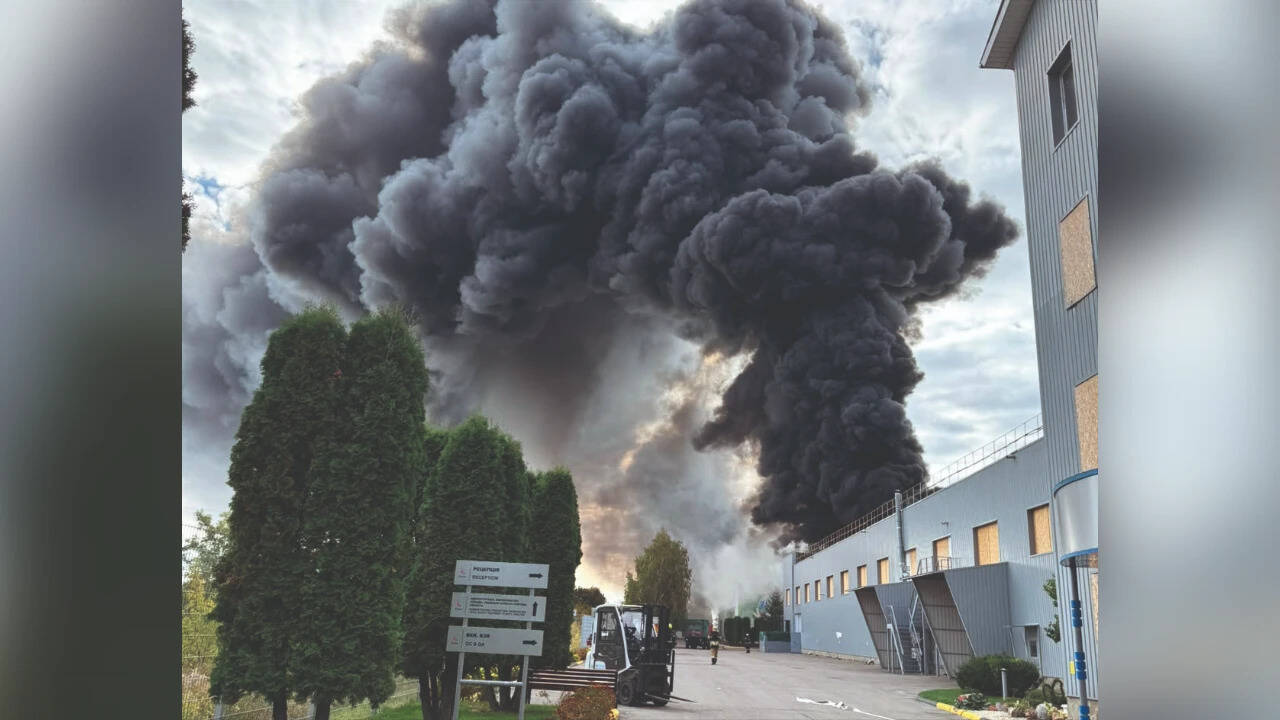
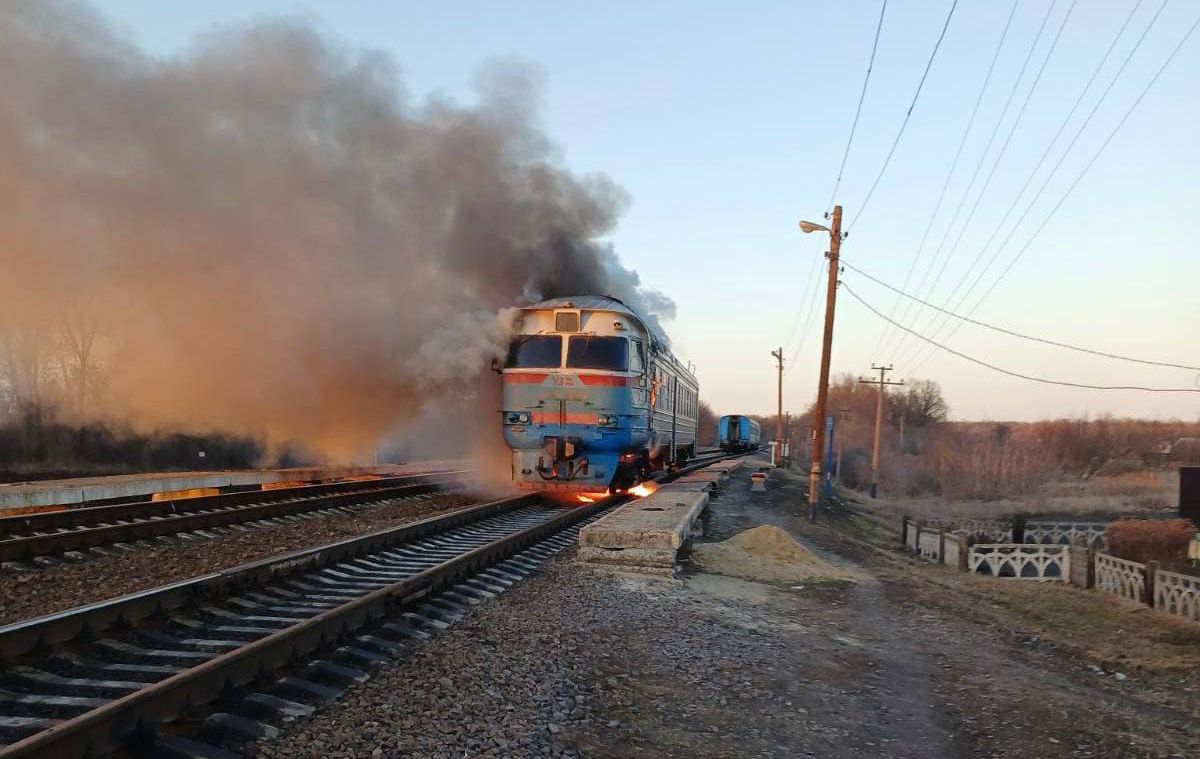
The escalation unfolded with brutal speed in early April 2026, building on a volatile late-March pattern that has shifted from frontline skirmishes to systematic assaults on dual-use infrastructure. Confirmed reports detail Russian Shahed drones targeting passenger trains on Ukraine's railways near Odesa on April 5-6, as per the Kyiv Independent, marking a dangerous pivot where civilian transport—previously somewhat spared—becomes fair game. In Russian-controlled Donetsk, miners narrowly escaped a coal mine strike on April 6, with officials confirming the facility's critical role in regional energy production now compromised, according to multiple outlets including Straits Times and Newsmax.
Human toll mounts: In Odesa, a Russian drone barrage on April 6 killed three, including a toddler, as reported by Odesa Governor Oleh Kiper and corroborated by Newsmax and Straits Times. Separately, a Russian attack on Sloviansk that same day claimed one life and injured several, including a child, per Ukrainska Pravda. These aren't isolated; they cap a week of intensified barrages, including blackouts across Ukrainian oblasts after attacks on power facilities in Chernihiv (April 6, high impact) and Odesa (April 4, high impact), per recent event timelines.
Ukraine's responses add fuel: On April 6, General Staff confirmed a strike destroying a Russian Be-12 amphibious aircraft in Crimea, while overnight Black Sea operations targeted a Russian frigate and oil rig, as detailed by Kyiv Independent. Oil Price Forecast Shifts Amid War: The Ecological Shadow of Ukrainian Drone Strikes Devastating Russia's Black Sea Environment This mirrors Ukrainian hits on a Russian Tor system in Luhansk on March 30. Yet, the unique underreported angle here is the infrastructure chokehold: Railways, carrying 70% of Ukraine's freight including Western aid, face paralysis; coal mines in occupied areas, producing 20% of pre-war output, risk long-term shutdowns, exacerbating energy shortages amid winter prep. These infrastructure threats are key factors in updating oil price forecast projections, as any prolonged disruptions could ripple through global commodity markets.
Historical context reveals a retaliatory spiral. It ignited March 28 with Ukrainian strikes on Crimea targets, followed by overnight Russian bombardments that day. March 29 saw a Russian bomb devastate Kramatorsk rail hub, killing civilians. March 30 brought Ukraine's Luhansk Tor hit and Russian drones over Nikopol. April 1 added Kinzhal interceptions in Kyiv, drone strikes in Ivano-Frankivsk and Zakarpattia. By April 4-6, focus sharpened on energy-transport nexus: Sumy missiles (April 4, low impact), Luhansk mine (April 6, low), Chernihiv power (high). This pattern—tit-for-tat from military to civilian-economic nodes—signals asymmetric warfare, where Russia exploits Ukraine's stretched defenses to erode resilience.
Confirmed: Casualties (6+ dead), specific targets (Odesa rail, Sloviansk, coal mine, Crimea Be-12, Black Sea frigate/rig). Unconfirmed: Full extent of coal mine damage or frigate sinking, pending satellite verification. No social media posts from verified actors add clarity, though unverified Telegram channels buzz with footage of burning trains.
The Players
Russia: Under Vladimir Putin, military command prioritizes attrition via infrastructure denial. Motivations: Cripple Ukraine's logistics to force concessions in stalled talks; coal/rail hits in occupied zones secure resource control while signaling dominance. Black Sea losses sting naval prestige, prompting escalation.
Ukraine: President Volodymyr Zelenskyy and General Staff emphasize "active defense." Strikes on Crimea/Black Sea aim to deter Russian fleets blockading grain exports (down 30% since 2024). Rail repairs via Ukrzaliznytsia head Oleksandr Kamyshin underscore desperation to maintain aid flows.
Local Actors: Odesa Governor Oleh Kiper decries civilian deaths; Donetsk officials (pro-Russian) highlight miner escapes to frame Ukraine as aggressor. Miners and rail workers, caught in crossfire, embody human cost.
International: NATO monitors Black Sea; U.S./EU aid ($100B+ since 2022) hinges on intact rails/ports. China watches energy ripples for commodity plays.
The Stakes
Politically, escalation risks NATO direct aid surges or no-fly zone debates, fracturing alliance unity. Economically, Ukraine's $500B reconstruction blueprint—bankrolled by G7—falters: Rail disruptions could slash GDP 5-10% via stalled exports; coal losses accelerate 20GW power deficits, per IEA estimates. Humanitarian: 1M+ displaced face blackouts, aid delays. Check the latest Global Risk Index for broader geopolitical tensions amplified by these events.
Unique angle amplifies: Sustainability imperiled. Damaged coal mines leach pollutants into Donbas rivers, undermining EU Green Deal-aligned recovery (Ukraine's 2030 renewables target at 25%). Russia's own costs mount—Black Sea oil rigs feed 10% exports; prolonged hits invite sanctions biting harder amid 3% GDP drag from war.
Broader: Global food/energy chains strain; Black Sea isolation hikes grain prices 15%, per FAO. These dynamics are central to oil price forecast analyses, as regional conflicts continue to introduce volatility premiums into energy trading.
Oil Price Forecast and Market Impact Data
Geopolitical flares drive risk-off: SPX futures dipped 1.2% pre-market April 6 on Ukraine headlines, echoing Feb 2022's 3% weekly plunge. Oil (CL1) spiked 2.8% to $82/bbl, fueled by Black Sea threats akin to 2019 Saudi Aramco +15%.
Catalyst AI Market Prediction
Powered by The World Now Catalyst Engine:
- BTC: Predicted ↓ (medium confidence) — Causal mechanism: BTC leads risk-off cascade in crypto as algorithms front-run equity weakness from SPX-linked events, triggering liquidations. Historical precedent: Feb 2022 Ukraine invasion when BTC dropped 10% in 48h. Key risk: safe-haven narrative shift if gold/USD rally spills into BTC.
- SPX: Predicted ↓ (high confidence) — Causal mechanism: Multiple direct SPX mentions trigger immediate risk-off selling in global equities via CTAs and equity futures. Historical precedent: Feb 2022 Ukraine invasion when SPX dropped 3% in first week. Key risk: policy response like Fed rhetoric calming markets.
- OIL: Predicted ↑ (high confidence) — Causal mechanism: Direct strikes on Iran/Kuwait/Lebanon infra threaten supply, multiple CL1! hits fuel premium. Historical precedent: Sep 2019 Saudi attacks oil +15% in day. Key risk: output ramp-up from non-ME producers.
Predictions powered by The World Now Catalyst Engine. Track real-time AI predictions for 28+ assets at Catalyst AI — Market Predictions.
Looking Ahead
Next 72 hours critical: Russia may intensify Black Sea barrages on Odesa ports, isolating 40% of Ukraine's exports and risking NATO naval patrols by mid-April. Ukraine's ATACMS/Storm Shadow resupplies (expected Q2) could hit more rigs, per patterns. Oil price forecast models are revising upward based on these persistent Black Sea risks.
Scenarios: (1) De-escalation via Turkey-mediated talks (low prob.); (2) Full energy blackout wave, forcing EU emergency LNG (high prob.); (3) Black Sea NATO incident escalates to Article 5 debate (medium). Timeline: Watch April 10-15 for coal output reports; mid-2026 sanctions if infra hits persist.
Ukraine pivots to renewables—solar up 50% since 2024—as adaptive shield. Diplomatic push needed to safeguard grids.
This is a developing story and will be updated as more information becomes available.
Further Reading
- Hezbollah and Houthis' Coordinated Assault: Oil Price Forecast Shifts as Proxy Alliances Redraw Middle East Battle Lines
- Gaza Strikes Escalate: Oil Price Forecast Shifts Amid Humanitarian Aid Attacks and Ceasefire Fragility
- Oil Price Forecast Alert: Lebanon's Internal Fractures – How Israeli Strikes Are Igniting Sectarian Tensions Amid Escalating Violence
- Oil Price Forecast Amid Escalating Iran Strikes: The Overlooked Threat to Civilian Infrastructure and Global Aid Efforts