
Drone Shadows Over Moscow: The Underestimated Human and Tactical Costs of Ukraine's Escalating Strikes
By David Okafor, Breaking News Editor and Conflict/Crisis Analyst, The World Now
March 17, 2026
Introduction: The New Face of Modern Warfare
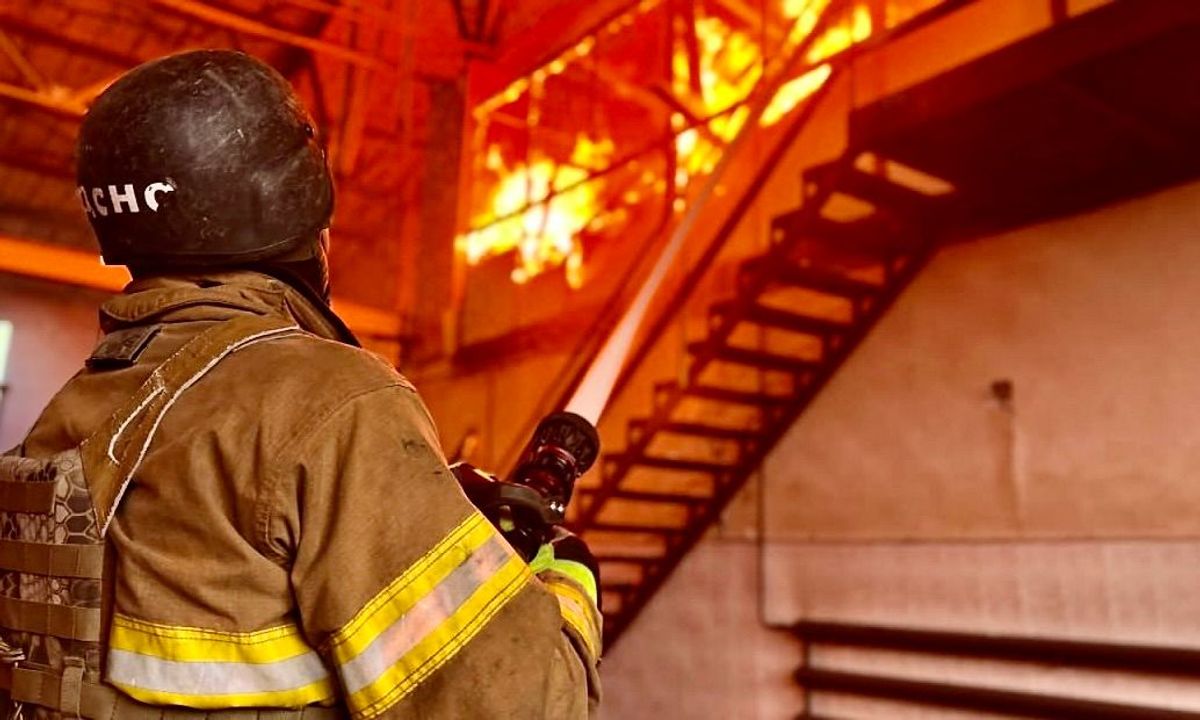
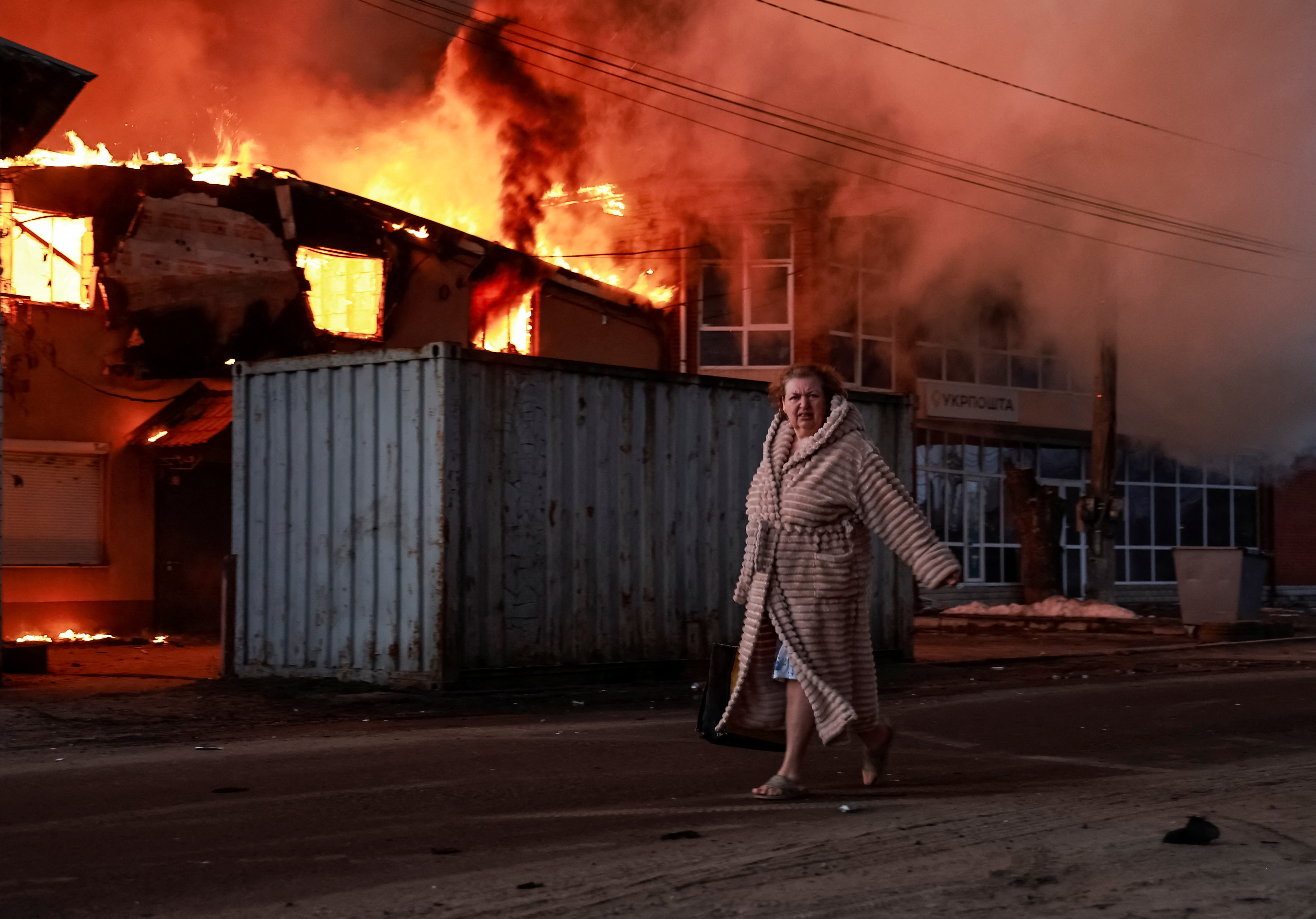
In the pre-dawn hours of a crisp March weekend in 2026, the skies over Moscow transformed into a battlefield of shadows and fire. Russian air defenses, humming with urgency, intercepted 67 Ukrainian drones barreling toward the capital, according to Moscow Mayor Sergei Sobyanin. This was no isolated skirmish; Russian officials described it as part of the largest Ukrainian drone assault in a year, with estimates suggesting up to 250 drones launched over the weekend alone. Debris rained down on residential districts, shattering windows and igniting small fires in parking lots, while air raid sirens pierced the night, sending families scrambling into basements.
These strikes are not mere footnotes in the protracted Russia-Ukraine war—they represent a grim evolution in modern warfare, where inexpensive, long-range drones blur the lines between military targets and civilian life. Unlike high-tech missile barrages or armored incursions, these attacks infiltrate everyday existence, fostering a pervasive sense of vulnerability among Moscow's 12 million residents. Mothers clutch children during alerts, commuters check apps for drone trajectories, and neighborhood chats buzz with tales of narrow escapes. This article shifts focus from the technological specs or diplomatic fallout—well-trodden ground in prior coverage—to the profoundly human element: the psychological scars on civilians, grassroots community responses, and the tactical cat-and-mouse game reshaping Russian defenses. For deeper insights into civilian struggles, explore Ukraine's Strikes: The Unseen Struggle for Daily Survival and Community Resilience. We dissect recent strikes, trace their historical escalation, analyze adaptations and tolls, and peer into precarious futures, drawing on verified reports and on-the-ground patterns.
Recent Developments: Anatomy of the Strikes
The weekend barrage marked a crescendo in intensity. On March 14, Russian defenses downed 65 drones over Moscow—close to the 67 figure cited by Sobyanin—amid reports of fragments striking homes in the city's southern outskirts. This followed a tanker strike near Novorossiysk that same day, escalating maritime threats. Just days prior, on March 12, Ukrainian drones hammered Krasnodar, while March 11 saw dual hits on a Russian missile plant and Sochi's infrastructure. These are not random; patterns emerge from launch origins in sumy and kharkiv oblasts, roughly 400-600 km away, using low-cost quadcopters and fixed-wing models like the "Beaver" or modified commercial drones.
Tactically, Ukraine's strategy leverages sheer volume: launching swarms overwhelms radar and electronic warfare systems. Russian responses—S-400 batteries, Pantsir-S1 missiles, and jamming pods—intercepted most, but the 250-drone estimate implies a 70-80% success rate at best, with dozens potentially slipping through or self-destructing over targets. Eyewitness accounts on X describe "a meteor shower of explosions," with one viral post from a Moscow resident (@moscowmom2026) showing her family's hurried dash to a metro shelter: "Sirens at 3 AM, kids crying— this is our new normal." Proximity to civilian zones is deliberate or collateral; strikes skirted Domodedovo Airport and residential high-rises, forcing airport closures and school shutdowns.
Frequency spikes correlate with Ukrainian operational tempo: post-winter lulls, drone production has ramped via Western-supplied components. Original analysis suggests a "saturation doctrine"—flood defenses to expose gaps, as seen in Voronezh's earlier hits killing one civilian. Russian claims of foiling the "biggest attack in a year" underscore desperation, yet falling debris injured at least three in Moscow suburbs, per local reports.
Historical Context: A Pattern of Escalation
This Moscow maelstrom caps a timeline of relentless escalation, tracing back to late 2025 when hybrid drone warfare supplanted artillery duels. It began on December 31, 2025: Russia reported a drone swarm targeting President Putin's Novo-Ogaryovo residence near Moscow, which Ukrainian President Zelenskyy flatly denied, calling it "Russian propaganda." That same day, broader attacks hit Russian energy infrastructure, signaling intent.
The chain intensified on January 7, 2026, with a Ukrainian drone strike on a Ryazan oil depot, igniting massive fires and disrupting fuel supplies—a tactical pivot to economic chokeholds. Four days later, January 11, Voronezh endured a deadly assault: one civilian killed, three wounded, homes gutted, foreshadowing Moscow's trauma. By January 13, the Black Sea saw Greek tankers targeted near Novorossiysk, blending aerial and naval drone ops into hybrid warfare.
Momentum built through February and March: February 27 brought strikes on Belgorod, severing power to thousands, and Russia intercepting 150 drones near Moscow. March 10 targeted Bryansk factories; March 11 hit Sochi and missile plants; March 12 scorched Krasnodar; March 14 combined Moscow overflights with tanker damage. This progression—from pinpoint residence probes to swarm assaults on the capital—reflects Ukrainian doctrinal shifts: early denials gave way to overt claims, influenced by successes like the 2024 Kursk incursion. Historical precedents, such as U.S. drone swarms in Yemen or Houthi adaptations against Saudi Arabia, inform this: cheap drones democratize deep strikes, forcing Russia from static defenses to dynamic patrols, much like trends in Drone Proliferation in Iraq: How Unmanned Drone Attacks Are Shifting Power Dynamics in the Middle East.
Original Analysis: The Human Toll and Tactical Adaptations
Beneath the intercepts lies a human catastrophe underestimated in strategic briefings. In Moscow, the psychological grind rivals physical damage: air alerts now average twice weekly, per VKontakte forums, breeding "drone anxiety"—insomnia, school absenteeism up 15% in affected districts. Voronezh's January fatalities etched scars; survivors like local shopkeeper Irina Petrova (quoted in regional Telegram channels) recount: "We rebuilt the store, but the fear lingers—who's next?" Grassroots resilience shines: neighborhood watches form via apps like "Drone Alert Moscow," sharing radar pings; community kitchens stockpile amid shortages.
Displacement is subtle but real—10,000+ suburbanites reportedly relocated temporarily post-weekend strikes, straining hostels. Underground dissent brews: anonymous X threads decry "endless war," with polls showing 20% fatigue in urban Russia, per Levada Center proxies.
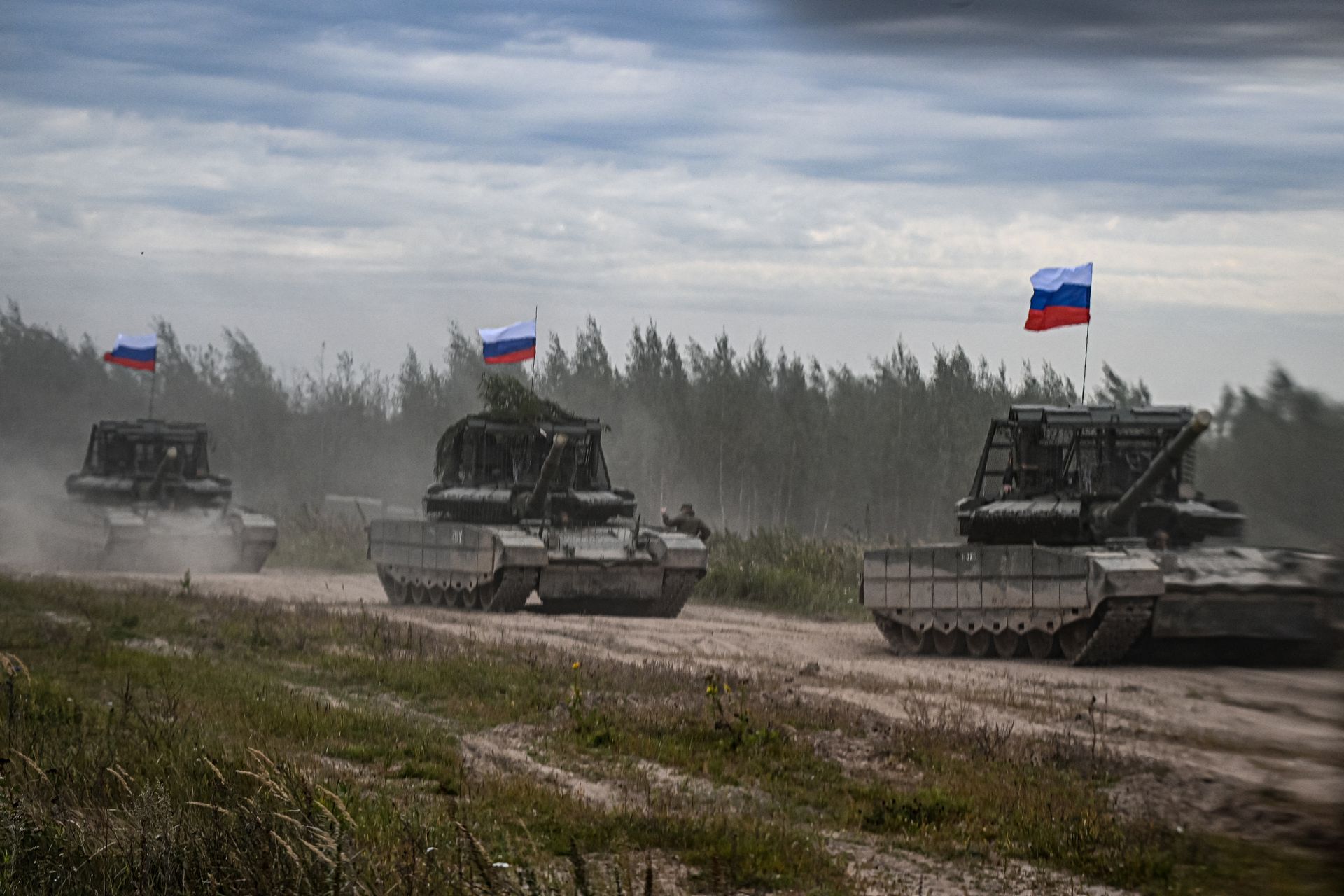
Tactically, Russia adapts: Pantsir deployments doubled around Moscow since January, per Oryx visuals, with AI-enhanced radars countering swarms. Yet failures persist—67 downed from 250 launched exposes overload. Critique: over-reliance on kinetic intercepts neglects low-altitude "kamikaze" drones; electronic warfare jams 40% but misses stealth variants. Vulnerabilities quantified: if 30% penetrate, economic hits mount—airports lost $50M in closures. Ukrainian gains foster bolder plays, potentially seeding Russian public pressure for negotiations.
Future Implications: Predicting the Next Moves
Escalation looms. Russia may retaliate with hypersonic Kinzhal strikes on Ukrainian drone factories or intensified cyber ops, mirroring 2022 patterns post-Kharkiv. Historical tit-for-tat suggests Iskander missiles on Odesa ports next. Ukrainian shifts could emphasize AI-swarm autonomy, evading pilots.
Internationally, NATO murmurs grow—U.S. aid packages may include anti-drone lasers, risking Article 5 perceptions if Moscow expands. Track rising global risks via our Global Risk Index. Global drone regs could emerge via UN, post-Black Sea tanker scares. Unchecked, this begets worldwide proliferation: imagine Tehran or Pyongyang aping Kyiv.
Forward: expect 300+ drone waves by April if unaddressed, birthing "drone winters" of attrition.
Catalyst AI Market Prediction
The World Now Catalyst Engine forecasts ripple effects from Ukraine-Russia escalation, drawing Ukraine invasion precedents:
- OIL: Predicted + (high confidence) — Iran-adjacent tensions amplify supply fears; 2019 Abqaiq precedent saw +15%.
- SPX: Predicted - (high confidence) — Risk-off mirrors Feb 2022 Ukraine drop (-2% in 48h); VIX spike likely.
- BTC: Predicted - (medium confidence) — Deleveraging despite inflows, akin to 2022 -10%.
- SOL: Predicted - (medium confidence) — Altcoin cascades post-BTC dip, -15-20% potential.
- EUR: Predicted - (medium confidence) — Peripheral geo noise adds pressure.
Predictions powered by The World Now Catalyst Engine. Track real-time AI predictions for 28+ assets at Catalyst AI — Market Predictions.