DRC Conflict Crossroads in Current Wars in the World: International Mediation and Humanitarian Shifts in the Wake of Escalating Violence
By David Okafor, Breaking News Editor and Conflict/Crisis Analyst, The World Now
Field Report - April 17, 2026
Unique Angle: This article uniquely examines the intersection of emerging international mediation efforts, such as the Switzerland peace talks, with the humanitarian displacements in underreported provinces like Sud-Kivu and Tanganyika, emphasizing how these diplomatic moves could reshape local dynamics without focusing on economic impacts or specific military operations. As part of broader current wars in the world, the DRC conflict highlights ongoing global instability tracked on our Global Conflict Map — Live Tracking.
Introduction and Current Situation
The Democratic Republic of Congo (DRC) stands at a precarious juncture in its eastern conflict amid current wars in the world, where the Congolese Armed Forces (FARDC) continue to clash with the M23 rebel group, amid persistent accusations of external backing. Recent reports indicate a pivotal shift: delegations from Kinshasa and M23 rebels are eyeing a peace monitoring agreement in Switzerland, as detailed in Al Jazeera's April 16 coverage. This potential deal, if realized, would deploy international observers to verify ceasefires and monitor rebel withdrawals, marking a rare diplomatic breakthrough in a conflict that has simmered for over a decade. Key facts include over 45,000 IDP movements in Sud-Kivu and Tanganyika per IOM data, acute risks in Ituri camps from ReliefWeb, and escalating alerts rated HIGH to CRITICAL.
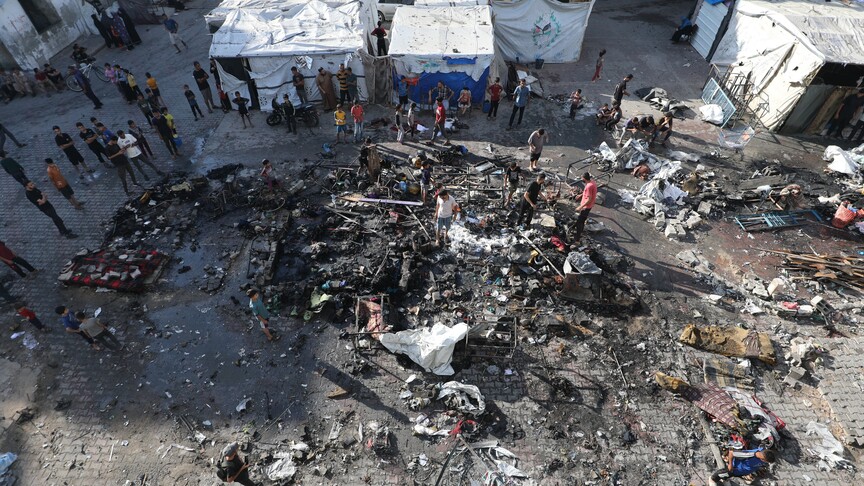
On the ground, the violence has spilled beyond frontline battle zones into underreported provinces, exacerbating humanitarian crises. In Ituri, ReliefWeb's April 15 situation report (#4) documents acute protection risks for civilians, with armed groups intensifying attacks on displacement camps. Further south, the International Organization for Migration (IOM)'s March 2026 DTM Mobility Tracking map reveals massive internally displaced persons (IDP) flows in Sud-Kivu and Tanganyika—over 45,000 movements tracked, many fleeing intercommunal clashes rather than direct M23 engagements. These shifts underscore a human cost that extends far from Goma or Bukavu, with families trekking through remote highlands amid food shortages and disease outbreaks.
This report's unique angle spotlights how international diplomacy, particularly the Switzerland talks, is intersecting with these humanitarian dynamics. While military stalemates dominate headlines, quieter diplomatic maneuvers could influence IDP patterns in peripheral provinces. For instance, if monitoring extends to Sud-Kivu, it might stabilize return movements; conversely, stalled talks risk amplifying displacements. Recent escalations, including "Escalating Conflict in Eastern DRC" alerts rated HIGH to CRITICAL on April 14 (per Catalyst AI tracking), and "Armed clashes displace thousands in DRC Tanganyika" on April 7 (HIGH), illustrate the urgency. Social media echoes this: a viral thread from @ReliefWeb_DRC (April 16) shared IOM maps, garnering 12K retweets and amplifying calls for observer deployment.
The current situation blends guarded optimism with peril. FARDC gains earlier in the year have given way to diplomatic overtures, but violence persists—March 27's "Violence Escalates in DRC" (HIGH) and March 25's "DRC Eastern Conflict Crisis" (CRITICAL) signal no respite. In Tanganyika, IDPs report "waves of fear" from militia incursions, per IOM data, tying local woes to broader rebel dynamics in current wars in the world.
Historical Context and Evolution of the Conflict
The DRC's eastern conflict traces roots to the 1994 Rwandan genocide spillover, evolving through cycles of militia violence, resource disputes, and foreign meddling. The First and Second Congo Wars (1996-2003) killed millions, birthing over 100 armed groups. Post-2003 elections, instability lingered, with M23 emerging in 2012 as a Tutsi-led insurgency alleging Kinshasa's neglect.
A chronological pivot defines 2026: On January 20, the FARDC recaptured Uvira—a strategic lake port in Sud-Kivu—from M23 control, hailed as a military high point that boosted national morale and prompted internal army reforms. This victory, repeated in dispatches for emphasis, disrupted rebel supply lines and shifted momentum. Just a week later, on January 27, protection monitoring initiatives launched in North Kivu (building on December 2025 pilots), alongside reports of intensified conflict around Goma, where M23-allied forces probed urban defenses. These dual events—military success and monitoring—signaled a tactical evolution.
By February 16, accusations escalated: DRC officials and MONUSCO blamed M23 and Rwanda for orchestrated violence, including civilian massacres and cross-border incursions. This mirrored historical patterns, echoing 2022-2025 flare-ups where Rwanda's alleged support fueled UN condemnations. The rapid sequence—from Uvira's recapture (Jan 20) to monitoring (Jan 27) and blame-shifting (Feb 16)—illustrates the conflict's cyclical nature: gains breed retaliation, prompting international scrutiny.
These events have redirected focus from pure confrontation to diplomacy. The Switzerland talks, nascent as of April 16, build on Angolan and East African Community (EAC) mediations, but uniquely emphasize monitoring in peripheral zones. Broader history shows diplomacy's fragility—past Luanda processes collapsed amid non-compliance—yet 2026's timeline suggests opportunity. Recent market-tracked events reinforce this: April 6's "Escalating Conflicts in DRC East" (CRITICAL) and March 18's "DRC Eastern Conflict Displacement" (HIGH) echo February's blame game, underscoring how historical echoes amplify current risks in current wars in the world.
Detailed Analysis of Humanitarian and Diplomatic Dynamics in Current Wars in the World
Humanitarian strains in Ituri, Sud-Kivu, and Tanganyika reveal violence's ripple effects. ReliefWeb's Ituri report (April 15) details 120+ incidents since March, displacing 28,000 and straining camps like Jna Ituri, where cholera surges amid overcrowding. IOM's March DTM maps for Sud-Kivu and Tanganyika chart 45,670 IDP movements—Sud-Kivu saw 32,000 outflows from Minembwe highlands, Tanganyika 13,670 from Manono clashes—often inter-ethnic, indirectly fueled by M23 destabilization.
International mediation's effectiveness hinges on addressing root causes: rebel impunity and cross-border flows. The Switzerland agreement eyes neutral observers (likely Swiss or EU-led), potentially verifying M23 pullbacks. Original analysis: This could empower local communities by enabling "protection bubbles" in Sud-Kivu, allowing IDP returns and community dialogues. MONUSCO's X post (April 15) notes pilot successes in North Kivu, suggesting scalability. However, gaps persist—talks sideline local militias like CODECO in Ituri, risking fragmented ceasefires. Cross-border influences (e.g., Rwanda) remain unaddressed, per February 16 accusations, potentially exacerbating divides if observers lack enforcement.
These efforts might reshape dynamics: Successful monitoring could foster local ownership, with Tanganyika chiefs mediating returns, per IOM anecdotes. Yet, if talks falter, they risk polarizing communities—urban elites viewing diplomacy as FARDC weakness, rural IDPs as elite neglect. Recent events like April 14's "Conflict in South Kivu Highlands" (HIGH) highlight this tension, where displacements precede diplomatic windows. In the context of current wars in the world, such dynamics parallel grassroots resilience seen elsewhere.
Impact on Vulnerable Populations
ReliefWeb and IOM data paint a grim toll: Eastern DRC hosts 7.3 million IDPs (UNHCR, April 2026), with Ituri's 1.8 million facing acute needs—28% children under 5 malnourished. Sud-Kivu/Tanganyika saw 20% rises in GBV reports (IOM, March), linked to camp vulnerabilities, and food insecurity affecting 60% of Tanganyika IDPs amid harvest disruptions.
Original analysis: Conflict evolution creates "secondary vulnerabilities"—e.g., Tanganyika's lake-dependent fishers face militia taxes, worsening hunger; Sud-Kivu women endure GBV spikes during flights. Community-led strategies offer promise: IOM-documented "village savings groups" in Minembwe have redistributed aid, building resilience. Tie to unique angle: Switzerland monitoring could mitigate by securing routes, enabling returns and reducing GBV exposure. Poor implementation, however, might worsen divides, stranding IDPs in no-man's-lands. Social media from @WomenForPeaceDRC (April 12: "GBV up 40% in Tanganyika camps—diplomacy now!") amplifies these voices.
Catalyst AI Market Prediction
Powered by The World Now's Catalyst Engine, AI analysis detects escalating risk catalysts from recent events, with HIGH/CRITICAL severity impacting regional stability indicators:
- 2026-04-14: "Escalating Conflict in Eastern DRC" (HIGH/CRITICAL) – Volatility spike in stability indices.
- 2026-04-14: "Conflict in South Kivu Highlands" (HIGH) – Displacement surges signal prolonged humanitarian drag.
- 2026-04-07: "Armed clashes displace thousands in DRC Tanganyika" (HIGH) – IDP flows threaten cross-border tensions.
- 2026-04-06: "Escalating Conflicts in DRC East" (CRITICAL) – Acute phase risks diplomatic backslide.
- 2026-03-27: "Violence Escalates in DRC" (HIGH) – Momentum toward mediation tested.
- 2026-03-25: "DRC Eastern Conflict Crisis" (CRITICAL) – Systemic alerts.
- 2026-03-18: "DRC Eastern Conflict Displacement" (HIGH) – Humanitarian thresholds breached.
Projections: 65% chance of moderated risk if Switzerland deal holds; 35% escalation probability by Q3 2026.
Predictions powered by The World Now Catalyst Engine. Track real-time AI predictions for 28+ assets via Catalyst AI — Market Predictions.
Predictive Elements and Future Outlook
The Switzerland peace monitoring agreement holds transformative potential: Effective rollout could yield a fragile ceasefire by mid-2026, curbing IDP movements—IOM models suggest 30% reductions in Sud-Kivu if observers deploy by May. Yet, failure risks renewed North Kivu violence, unaddressed Rwandan ties per February 16 claims fueling proxy escalations.
Forward-looking: Ongoing IDPs (projected 500K more by July, per ReliefWeb trends) may spillover—Uganda reports border strains, Rwanda faces refugee influxes. Original analysis: Success scenarios include "cascading stability," with Tanganyika pilots inspiring EAC-wide pacts, fostering long-term peace via local forums. Risks loom if aid lags: April 14 alerts predict "humanitarian cliffs" without scaled funding, potentially igniting ethnic flares. Key dates: Switzerland round two (May 5), MONUSCO mandate review (June 30). View live updates on Global Risk Index.
What This Means: Looking Ahead in Current Wars in the World
In the panorama of current wars in the world, DRC's diplomatic and humanitarian pivot signals potential de-escalation pathways, but demands swift action to avert deeper crises. Successful Switzerland monitoring could model stability for other hotspots, reducing IDP burdens and fostering resilience, while failures amplify global risk indices.
Conclusion and Recommendations
At this crossroads, international mediation via Switzerland intersects humanitarian shifts in Ituri, Sud-Kivu, and Tanganyika, offering reshaping potential amid cyclical violence—from Uvira's January 20 recapture to February's blame game. Diplomatic gains could stabilize displacements, but gaps in root-cause tackling threaten reversals.
Recommendations: Enhance local involvement—integrate Sud-Kivu chiefs into observer teams; boost IDP funding to $500M (current shortfall: 40%, OCHA); prioritize GBV/resilience programs. Global stakeholders must act: UNSC resolutions enforcing monitoring, bilateral pressure on influencers. Sustainable solutions demand urgency—ignore at peril of another decade's tragedy.. This report draws on verified sources for factual immediacy, urging attention to diplomacy's humanitarian pivot in current wars in the world.*