
Doomsday Clock Ticks Closer to Midnight as Iran Conflict Enters Sixth Month with 400 Ships Stranded
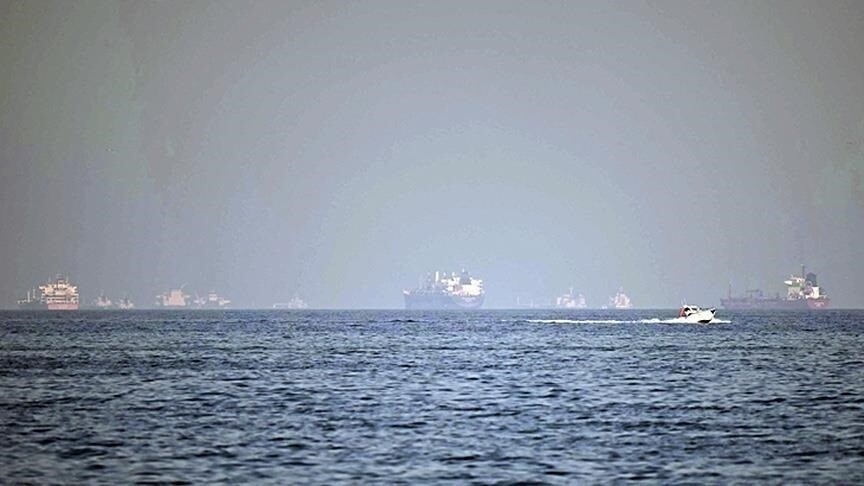
Six months after the U.S. and Israel launched joint strikes on Iran that killed Supreme Leader Ali Khamenei, the conflict has escalated into an economic isolation campaign featuring renewed U.S. sanctions, stalled diplomacy, and the ongoing closure of the Strait of Hormuz that has stranded 400 ships and trapped 6,000 seafarers, pushing the doomsday clock closer to midnight amid unresolved tensions.
Six-Month Timeline of U.S.-Israeli Strikes and Iranian Retaliation
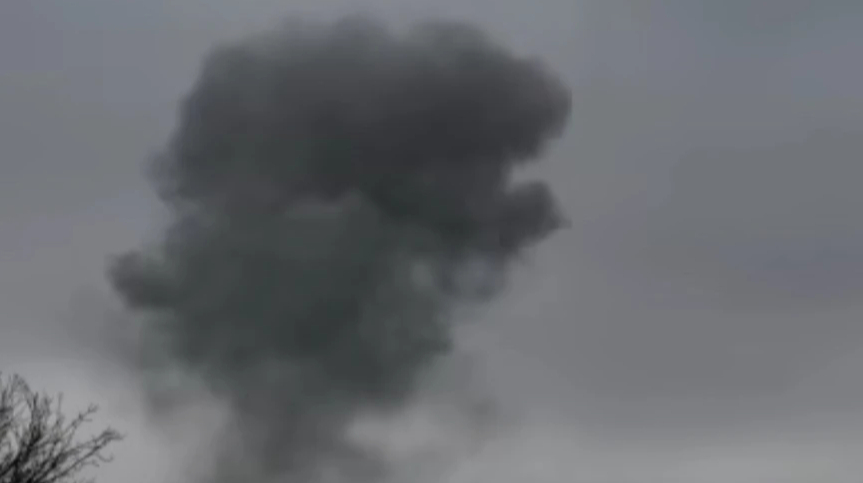
The U.S.-Israeli war with Iran began on Feb. 28, 2026, with strikes that killed Supreme Leader Ali Khamenei and senior officials. [2] Iran retaliated with missiles and drones, and Mojtaba Khamenei was later selected as the new supreme leader. [2] The Islamic Revolution Guard Corps launched a retaliatory operation firing missiles and drones at U.S. military bases in the Middle East and targets in Israel. [2] Lebanon's Hezbollah said it had launched rockets and drones toward Israel, prompting Israeli airstrikes across Lebanon. [2] Yemen's Houthi armed forces launched ballistic missiles targeting sensitive Israeli military sites in southern Israel. [2] Iran rejected a 15-point peace plan but delivered a 10-point response via Pakistan. [2] Iran and the United States agreed to a two-week ceasefire, though Israeli Prime Minister Benjamin Netanyahu said the arrangement did not include Lebanon. [2] The United States launched strikes against 80 Iranian targets, and in response Iran's IRGC attacked 85 U.S. military sites in Bahrain and Kuwait. [2] Trump said that the ceasefire with Iran is over. [2]
Strait of Hormuz Closure Strands 400 Ships
Iran has repeatedly closed the Strait of Hormuz, using it as a key pressure tool that has disrupted global oil trade and led to the current stranding of 400 ships according to the UN maritime agency. [1] Secretary-General Arsenio Dominguez says the situation in the Strait of Hormuz remains unresolved, with 6,000 seafarers trapped. [1] Deputy Commander of IRGC's Navy Mohammad Akbarzadeh said the Strait of Hormuz was under Iran's full control. [2] Mojtaba Khamenei called for the continued closure of the Strait of Hormuz and urged neighboring countries to shut down U.S. bases. [2] Iran's main military command announced the full closure of the Strait of Hormuz. [2] The closure of Ormuz affects direct global oil trade and has driven the barrel of petroleum to sell for 120 dollars from the pre-war level of 70 dollars. [4] The conflict has caused enormous military and economic damage, yet the Islamic Republic remains standing and has gained a pressure card it did not possess before the war: Ormuz. [3]
Failed Diplomacy and Expired Peace Efforts
Multiple ceasefires and a June memorandum of understanding failed to produce a final peace deal; the 60-day negotiation window expired on Aug. 17, after which the U.S. imposed new crushing sanctions described as an economic D-Day. [2] The United States and Iran signed an MoU launching a 60-day negotiation period aimed at reaching a final agreement. [2] The 60-day window that Washington and Tehran set for themselves to hammer out a final peace agreement expired on Aug. 17. [2] Indirect talks between the United States and Iran were underway in Doha under the mediation of Qatar and Pakistan. [2] Both sides accused each other of violating the pact, leaving everything in limbo. [3] The head of Pakistan's army, Asim Munir, the foreign minister of Oman, Badr bin Hamad Al Busaidi, and the prime minister of Qatar, Mohamed Al Thani, have passed through Tehran in recent days. [3]
New U.S. Sanctions and Iranian Warnings
Iran has rejected U.S. peace proposals, conducted retaliatory strikes on U.S. bases and Israeli targets, and warned that support for the U.S. economic operation will be considered an act of war. [2] Trump announced what he described as the most crushing economic operation ever taken against any country providing a lifeline to Iran. [2] Iran's senior security official Mohsen Rezaei warned that the country will consider any state's participation in or support for the U.S. anti-Iran economic operation as an act of war. [2] U.S. Treasury Secretary Scott Bessent threatened Iran with an economic D-Day, announcing a wave of new sanctions aimed at further isolating the country. [2] Iran's Foreign Minister Seyed Abbas Araghchi said that diplomacy with the United States can get back on track if Washington realizes that pressure against Tehran does not work. [2] The war has mutated into an Operation of Economic Isolation with which the United States intends to asphyxiate the enemy. [3]
Regional Impact and Lebanese Ceasefires
Regional actors including Hezbollah, the Houthis, and Lebanon have been drawn into the fighting, with separate ceasefires in Lebanon that have been repeatedly extended but remain fragile. [2] The first pause in more than a month of fighting between Israel and Hezbollah killed over 2,000 people. [2] Israel and Lebanon agreed to extend their ceasefire by 45 days. [2] Israel and Lebanon agreed to implement a ceasefire and advance the creation of pilot zones in Lebanon where Hezbollah will be excluded. [2] The conflict has left a weak truce exhausted with few signs of a short-term diplomatic solution. [4] In Israel more than 30 people have died, along with dozens in other countries such as Saudi Arabia, the United Arab Emirates, Iraq and Kuwait. [4]
Doomsday Clock and the Broader Standoff
The regime has resisted six months of war while the old regional order unravels. [3] The new package of U.S. sanctions seeks to hit Iran's main sources of income, including its oil sector. [4] The United States affirmed having reached more than 11,000 targets on Iranian soil. [4] The Islamic Republic stopped publishing death tolls after the first week, after speaking of 1,230 deceased, to which are added more than 3,400 since the attacks resumed on July 30. [4]
What to watch next: The 60-day negotiation window has expired, indirect talks remain stalled, and the United States has shifted to new sanctions while Iran maintains control over the Strait of Hormuz.