Doomsday Clock Symbolism Grows as Middle East Oil Routes Face Renewed Attacks
The Doomsday Clock remains a symbolic gauge of global risk as escalating Middle East conflict, oil supply disruptions, and shifting alliances highlight ongoing geopolitical tensions involving the US, China, Iran, and regional actors.
Doomsday Clock Context in Current Global Risks
The Doomsday Clock serves as a longstanding symbolic measure of how close humanity stands to catastrophe amid mounting geopolitical strains. Recent developments in the Middle East, including disruptions to oil transit routes and evolving international alignments, underscore these pressures. At least 18 US service personnel have been killed and hundreds injured since the US-Israeli war with Iran began at the end of February. [1] Oil prices jumped more than 3% on Monday following Houthi strikes that forced the closure of Saudi Arabia’s key 1,200-km east-west pipeline and Iranian attacks on vessels in the Strait of Hormuz. [4] These events coincide with broader alliance adjustments, such as Canada’s negotiations to contribute to the EU’s €90 billion loan for Ukraine. [2] The combination of energy security threats and diplomatic realignments illustrates the persistent relevance of the Doomsday Clock as an indicator of global instability.
US-China Dynamics and Iran Intelligence Allegations
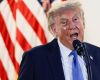
US President Donald Trump downplayed a report that Chinese entities supplied satellite imagery of a Jordan base to Iran before an attack that killed three US troops. [1] Trump equated Chinese and US spying practices, stating aboard Air Force One that “They basically do what we do. When they say China spies on us, I say you’re right and we spy on them too.” [1] The Chinese and US presidents are expected to meet in the United States on 24 September, although China has yet to officially confirm the meeting. [1] Trump reiterated his view of a good relationship with Xi Jinping, noting that “I think he’s behaved reasonably well, and we behave reasonably well.” [1] The Wall Street Journal report cited unnamed US officials and did not allege direct involvement by Beijing. [1] Trump’s comments aligned with efforts to play down tensions between Washington and Beijing despite US frustration over Beijing’s ties to Tehran. [1]
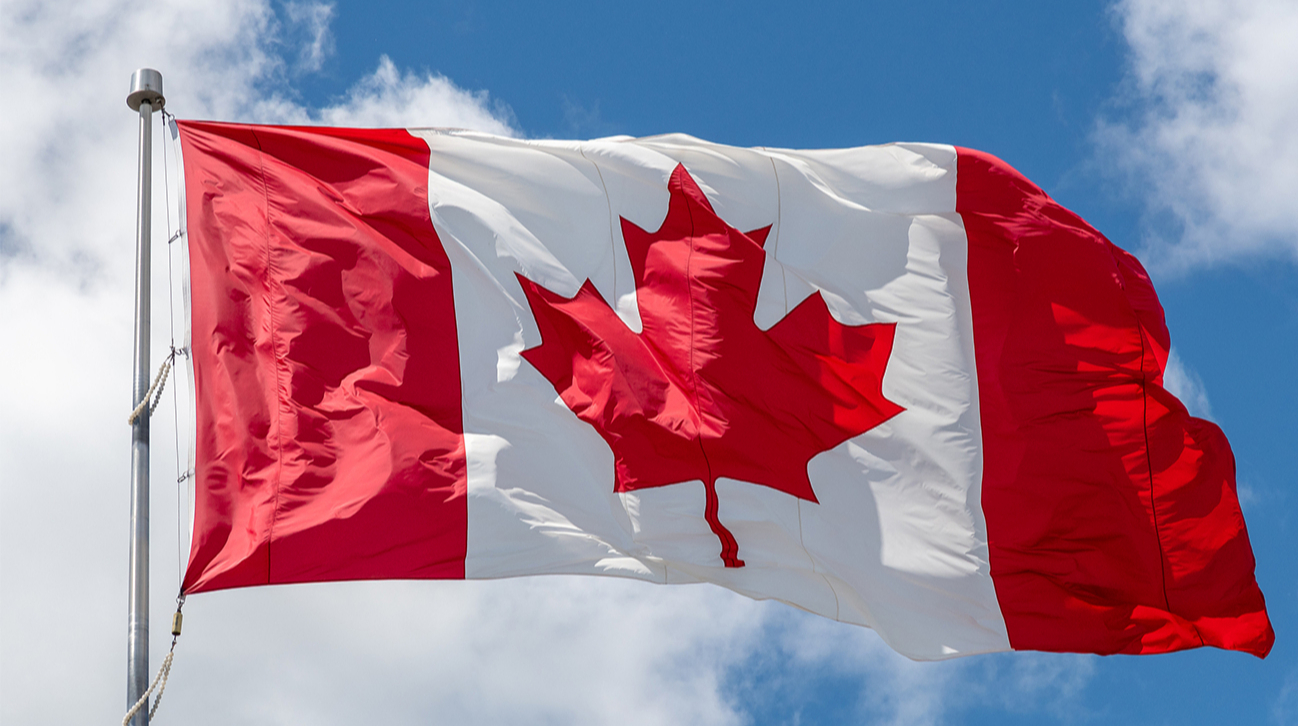
Canada negotiates contribution to EU’s €90 billion loan package for Ukraine. — Source: ukrainskapravda
Escalation in the Middle East and Oil Supply Threats
Iran-Gulf talks were postponed amid Houthi strikes that closed Saudi Arabia’s key east-west oil pipeline and Iranian attacks on vessels in the Strait of Hormuz. [4] Oman’s foreign minister, Sayyid Badr Albusaidi, posted late Sunday that a regional meeting scheduled for Monday had been postponed “in the interests of consensus.” [4] Iranian officials had planned to attend the gathering to present an agreement with Oman on governing shipping routes through the Strait of Hormuz. [4] Oil prices surged above $100 last week for the first time since July, while the retail price of diesel fuel in the United States rose on Sunday to another all-time high above $6.20 a gallon. [4] A vessel was struck by a projectile in the Strait of Hormuz, causing a fire and forcing the crew to be evacuated. [4] Iran reported one person killed and four crew wounded aboard a commercial vessel struck off its coast. [4] Commodity vessel transits through the Strait of Hormuz fell to a single digit per day at the weekend. [4] Traders noted that Riyadh has enough oil stored at its Red Sea port of Yanbu to maintain exports for just five to seven days if the pipeline remains shut. [4] Iran’s Foreign Minister Abbas Araqchi stated that despite any agreement with Oman, Iran would not reopen the strait until the United States satisfies Tehran’s demands. [4]
US Policy Toward Cyprus and Turkish Reactions
The United States extended its arms embargo waiver on Cyprus for another year. [3] President Nikos Christodoulides described the decision as “a clear message regarding the relations between the United States and the Republic of Cyprus,” noting that ties are “constantly being strengthened, particularly in the fields of defence and security.” [3] He referenced ongoing programmes for the modernisation of infrastructure, specifically the Andreas Papandreou airbase in Paphos, and talks regarding the procurement of defence equipment. [3] Leonidas Pheraiou became the first Cypriot national to enrol at the US naval academy in May. [3] The Turkish Cypriot ‘foreign ministry’ condemned the waiver extension, stating “we deeply regret this decision” and warning that steps which could trigger arms races should be avoided. [3] Turkey’s foreign ministry shared those views, emphasising that steps which further erode trust between the two sides on the island should be avoided. [3]

Christodoulides speaks in Greek parliament after US arms embargo waiver extension. — Source: cyprusmail
Transatlantic Realignment: Canada's Support for Ukraine
Canada is negotiating to contribute to the EU’s €90 billion loan for Ukraine to strengthen transatlantic ties and reduce dependence on the US under Trump. [2] Canadian Prime Minister Mark Carney seeks to build an alliance of liberal states committed to a multilateral order. [2] Both sides hope to agree on the size of Canada’s contribution before the EU summit in Montreal at the end of October. [2] The United Kingdom remains the only other non-EU country to have contributed to the loan. [2] Carney is travelling to Europe to meet European Commission President Ursula von der Leyen in Strasbourg on 16 September and is then expected to travel to Liverpool to meet the UK’s new Prime Minister Andy Burnham. [2] An European official stated that “We are grateful for all the support that Canada is providing to Ukraine and we are ready to do more together.” [2] The official added that “The EU wants the closest possible relationship with Canada and that is what we are working towards.” [2]
Southeast Asia Maritime Dispute Heads to Arbitration
Cambodia and Thailand will present opening statements this week before a UN-backed conciliation panel in Singapore over their overlapping maritime claims in the Gulf of Thailand. [5] Phnom Penh initiated the process at the Permanent Court of Arbitration after Bangkok pulled out of the 2001 memorandum of understanding covering a territory of around 27,000 sq km. [5] Bangkok withdrew from the framework agreement in May, with Prime Minister Anutin Charnvirakul stating that “no progress had been made.” [5] Cambodia’s representatives will give opening statements on Tuesday, with Foreign Minister Prak Sokhonn expected to speak first, followed by his Thai counterpart Sihasak Phuangketkeow. [5] Thailand’s energy ministry has estimated future revenues from oil and natural gas in the overlapping claims area to be worth around US$300 billion. [5] The commission’s recommendations are not binding and will take about a year to be decided. [5] Cambodia’s foreign ministry described the meeting as “another important milestone in the peaceful process initiated by Cambodia to resolve the countries’ maritime differences.” [5]
What to watch next: The expected 24 September meeting between Trump and Xi Jinping, the outcome of Canada’s contribution to the EU loan ahead of the Montreal summit, and the non-binding recommendations from the Singapore conciliation panel expected in about a year.