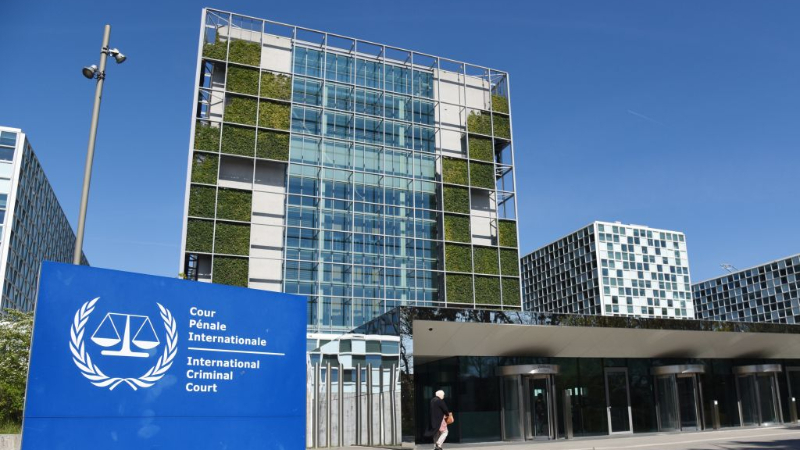

Doomsday Clock for International Justice Ticks Closer as U.S. Sanctions Hit ICC
Reporting based primarily on english.news.cn.
The United States imposed sweeping sanctions on the International Criminal Court on October 9, 2026, prompting the ICC to declare that the measures constitute an attempt to obstruct justice and an assault on the rule of law, as the doomsday clock for international justice ticks closer amid escalating tensions.
U.S. Imposes Institutional Sanctions on ICC
U.S. Secretary of State Marco Rubio announced the sanctions and stated that either the ICC will end its threats or the U.S. will end the ICC, while calling on allies to rein in the court. [1] The U.S. Treasury Department extended sanctions from individual ICC officials to the institution itself, including asset-blocking sanctions and restrictions on transactions involving U.S. persons. [1] These steps built directly on the administration's earlier actions against specific court figures. [4]
ICC Condemns Sanctions as Attack on Rule of Law
The ICC vowed it would not be deterred, stating that no one should be punished for serving the cause of justice and that history will judge this moment. [1] The court described the sanctions as an attempt to obstruct the course of justice and an assault on the rule of law and on the very foundations of the international legal order. [1] ICC officials noted that the measures were aimed at disrupting the court's operations and intimidating those who work for or cooperate with it. [1]
International Reactions from EU and Netherlands
The European Union described the U.S. decision as deeply regrettable and pledged to support the ICC's continued operations. [1] The EU stated that it has been a constant supporter of the International Criminal Court and that it would work closely with the ICC to ensure that the court continued to operate effectively. [1] The Dutch government voiced support for the ICC, calling the sanctions a deeply regrettable step and confirming they would not take effect immediately. [1] Foreign Minister Tom Berendsen said the Netherlands would stand firm in defending the ICC and that service providers could continue to work with the court. [1]
Context of Prior Targeted Sanctions
In August, Washington announced sanctions targeted at ICC President Tomoko Akane of Japan and ICC Senior Trial Lawyer Abdoulaye Seye of Senegal. [1] The Treasury Department on October 9 extended those measures from the individual officials to the institution itself. [1] This progression reflects the administration's ongoing focus on the court's activities. [4]
The Doomsday Clock and Broader Geopolitical Implications
The dispute involves U.S. and Israeli investigations, with Rubio calling for allies to rein in the court. [1] The sanctions escalation underscores the administration's position that either the ICC will end its threats or the U.S. will end the ICC. [1] Allies who are part of the ICC and rely on American service members for their defense were specifically urged to act. [1]
What to watch next: The EU and Netherlands have both signaled readiness to take measures to back the court's work while the sanctions remain in place.






/file/attachments/orphans/Resurfacing4_119455.jpg)
