/file/attachments/orphans/Resurfacing4_119455.jpg)

Doomsday Clock for International Justice Ticks Closer as US Sanctions Hit ICC
The United States imposed sanctions on the International Criminal Court hours after South African judge Navi Pillay, a former ICC Appeals Chamber judge, won the Nobel Peace Prize, pushing the doomsday clock for international justice closer amid escalating tensions over the court's independence.
US Sanctions Imposed on ICC
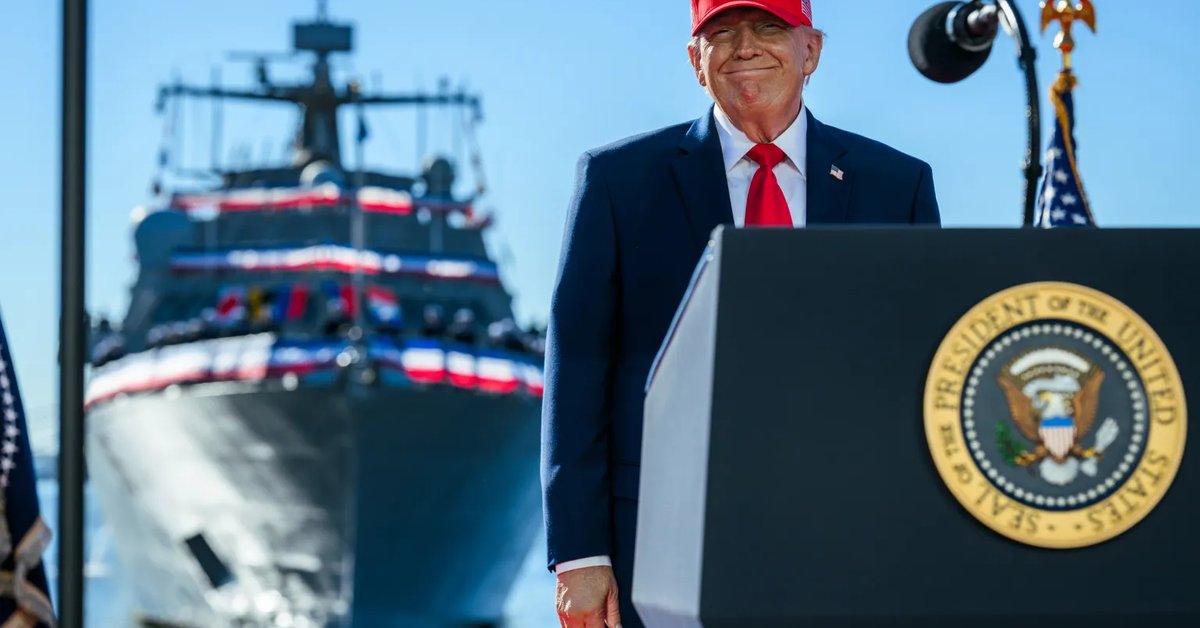
US Secretary of State Marco Rubio stated that President Trump will never allow the ICC to prosecute Americans and that the sanctions will ban transactions with the court to cut off its resources. [1] The sanctions target the institution itself rather than just individuals, potentially affecting companies providing services, though the US Treasury issued exemptions for telecommunications, software, pension payments, and detainee-related transactions. [4] Rubio noted that the measures include a six-month initial grace period to allow the court and its member states time to address US concerns. [5] The sanctions bar US-based companies from any work with the sanctioned organisation, which could force banks to shut accounts, insurers to end coverage and software companies to halt cooperation. [1]
Timing Coincides With Nobel Peace Prize
US Secretary of State Marco Rubio announces sanctions against the International Criminal Court. — Source: anadolu
The sanctions were announced on Friday, 9 October, hours after Navi Pillay won the Nobel Peace Prize. [1] Pillay served as a judge on the ICC’s Appeals Chamber from 2003 to 2008. [4] The Nobel committee cited the award as a reminder supporting international law institutions under political attack, emphasizing that an international legal system in which war criminals are held to account is a precondition for a peaceful world. [5]
ICC Response and Condemnation
The ICC deputy prosecutor Nazhat Shameem Khan condemned the sanctions as undermining the rule of law and stated that the court's work will continue. [1] Khan told Reuters that the sanctions are intended to undermine the rule of law internationally and the work that an independent judicial institution is doing, adding that the work will continue across all situations, investigations and prosecutions. [4] The court denounced the move as an assault on the rule of law and on the very foundations of the international legal order, calling on its 125 member states to take action to defend it. [4]
International Opposition and Support for the Court
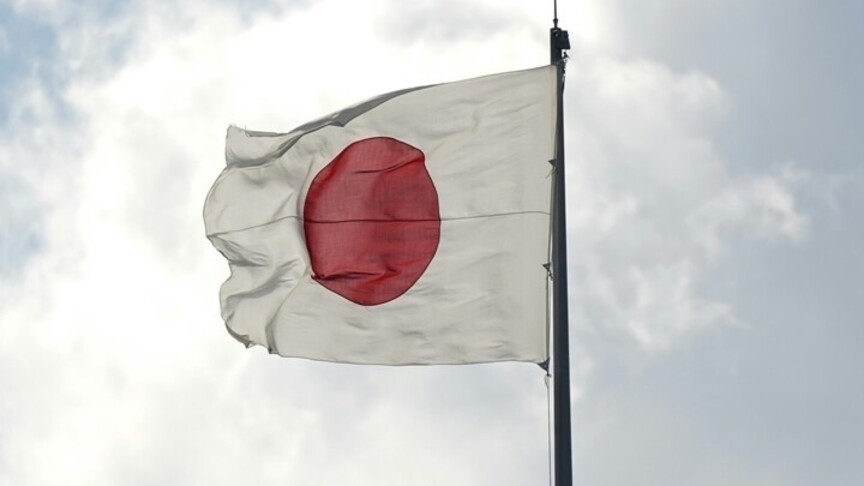
The move has drawn opposition from Japan, six European nations, and Canada, which expressed deep concern and reaffirmed support for the ICC. [2] Japan said the measures contradict its support for the international rule of law. [2] Six European nations, Canada and Japan reaffirmed unwavering support for the court and warned that the measures could affect its work and staff and their families. [3]
Background on US-ICC Tensions
Washington's hostility stems from ICC arrest warrants for Israeli officials including Benjamin Netanyahu and a past investigation into US soldiers in Afghanistan. [1] The court was founded in 2002 to prosecute war crimes, crimes against humanity and genocide. [4] The Trump administration previously imposed targeted sanctions on court officials during his first term, which were rescinded under President Joe Biden, and announced new sanctions just days after Trump returned to office in January 2025. [5] Court officials have been preparing for months by shifting office computers from Microsoft software to open-source equivalents and making new arrangements for banking and health insurance. [1]
Implications for Allies and Next Steps
Rubio said the US expects allies to rein in the court, noting that many rely on American service members for their defence. [5] The sanctions were structured to give member states an opportunity to negotiate and present a solution, with Rubio warning that if efforts do not bear fruit the US will continue to adjust accordingly. [4] The court’s registrar Osvaldo Zavala Giler called for the EU to be prepared to use a blocking mechanism to shield European countries from the extraterritorial effects of sanctions. [1]
What to watch next: Rubio indicated the sanctions could be adjusted if member states fail to address US concerns, while the ICC has urged its 125 member states to defend the institution against the measures.