
Doomsday Clock Advances Amid Iran's Unclear Command Structure and Regional Tensions
Iran's ongoing six-month conflict with the US and Israel has left decision-making authority in Tehran fragmented, pushing the region closer to a doomsday clock scenario where multiple factions assert directives from the Supreme Leader without confirmation of who holds ultimate control.
Unclear Command in Tehran
Uncertainty persists over whether Mojtaba Jamenei is alive and in command. [1] Each faction of the apparatus in Tehran can allege that its actions follow what the Supreme Leader has instructed. [1] No one knows with total certainty who makes the main decisions in Iran. [1] This lack of clarity allows different groups to claim alignment with the Supreme Leader's directives while the conflict continues. [1]
Division of Roles in Iranian Leadership
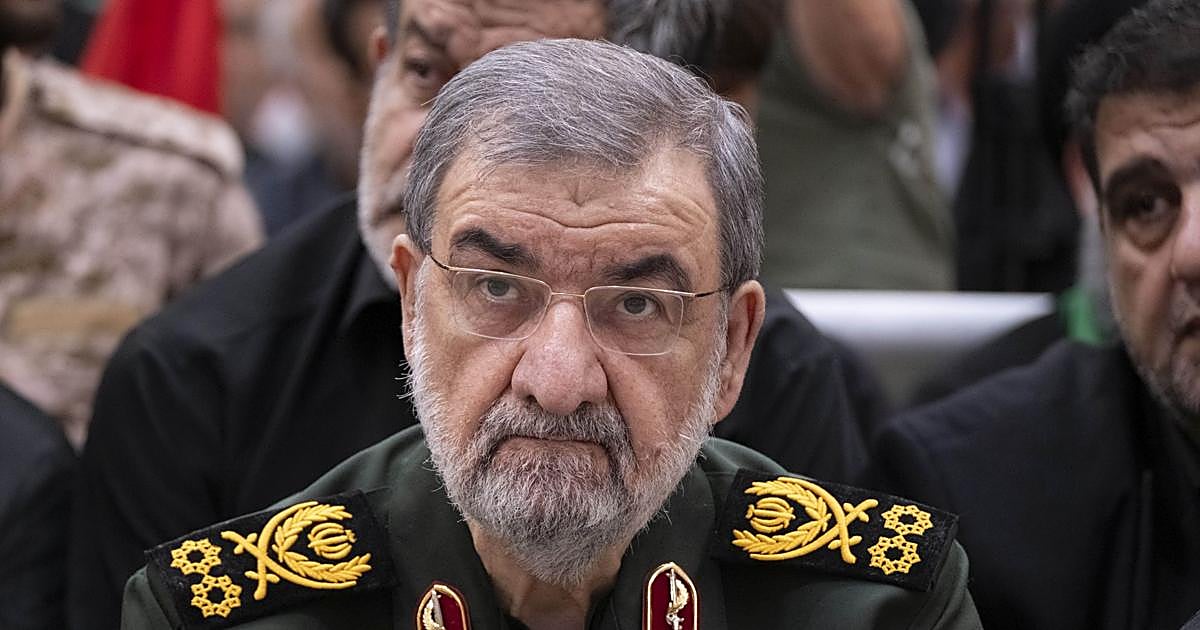
The government is presided over by Pezeshkian. [1] Indirect negotiations with the United States are directed by Parliament Speaker Ghalibaf. [1] The security apparatus is controlled firmly by General Rezai, the new head of the National Security Council and until then leader of Iran's elite Revolutionary Guards since the era of Khomeini. [1] These divided responsibilities have emerged as the conflict enters its seventh month without a clear central authority. [1]
US Intelligence Assessment of Iranian Resolve
A US intelligence report states that after six months of conflict Tehran has grown more confident in its ability to attack targets in the Middle East. [2] The report indicates Iran appears determined to continue the conflict to exasperate the United States. [2] According to the American secret services Iran is unlikely to accept an agreement in the short term. [2] Iran is instead content to give trouble to President Donald Trump ahead of the midterm elections. [2] In the coming weeks Iran could return to attacking American military bases in the Middle East or carry out hybrid warfare actions. [2] The intelligence assesses that hackers linked to Iran were very probably responsible for cyberattacks on over 100 water systems across the United States at the end of July. [2] Those actors now appear aimed at striking oil infrastructure. [2]
Trump Administration Post-War Planning
The Trump administration has begun developing a post-war strategy aimed at expanding regional efforts to contain Iran and normalizing relations between Israel and US allies. [4] Two US officials and other sources told Axios the plan remains in early stages and is intended to guide US actions in the Middle East after the Iran war concludes and in the final years of President Donald Trump's term. [4] Preliminary work is occurring at the senior level of the Trump administration and on the working level across multiple government agencies. [4] Trump has held at least two meetings with senior advisors during which the strategy was discussed. [4] Three main elements have been proposed: fostering alignment among America's allies on US-guaranteed efforts to contain a post-war Iran, establishment of a Saudi-Israeli normalization agreement and expansion of the Abraham Accords, and resolving the regional fallout of Hamas’s October 7 massacre against Israel and the resulting Israel-Hamas war. [4] That element could include efforts to secure the next phase of Trump’s Gaza peace plan, creation of a security agreement between Israel and Syria, and implementation of Israel-Lebanon agreements aimed at combating Hezbollah. [4] The plan could take weeks until more complete and the administration hopes the new government after the October 27 Knesset elections will cooperate. [4]
Doomsday Clock Ticks as US Sanctions Target Iranian Financial Networks
The United States Treasury Department has imposed sanctions on Golden Global Yatirim Bankasi Anonim Sirketi and its subsidiaries over alleged ties to Iran. [5] The department accused the bank of facilitating tens of millions of dollars worth of transactions for the Islamic Revolutionary Guard Corps-Qods Force and providing the Iranian government with banking access to move its funds internationally. [5] Washington alleged the bank was established for the purpose of enabling Iran’s rahbar network shadow banking system to transfer oil revenues from China to Turkey using gold and cash. [5] Golden Global Bank responded that it fulfilled all local and international banking compliance rules and would take legal action against the sanctions. [5] The bank stated there are no transactions that could substantiate the claims and that individuals and entities named have never been and are not currently customers. [5] Secretary of the Treasury Scott Bessent said financial institutions continue to find out the hard way that the US is serious about Operation Economic Outcast. [5] The sanctions place the bank and its two subsidiaries on the US Office of Foreign Assets Control Specially Designated Nationals list. [5]
What to watch next: Iran may continue hybrid actions or strikes on US bases while the Trump administration advances its post-war containment and normalization plans ahead of the October 27 Knesset elections.