
Digital Sparks: How Social Media Fuels and Shapes U.S. Civil Unrest Amid WW3 Map Tensions
By Marcus Chen, Senior Political Analyst, The World Now
March 27, 2026
Introduction to the Current Wave of Unrest
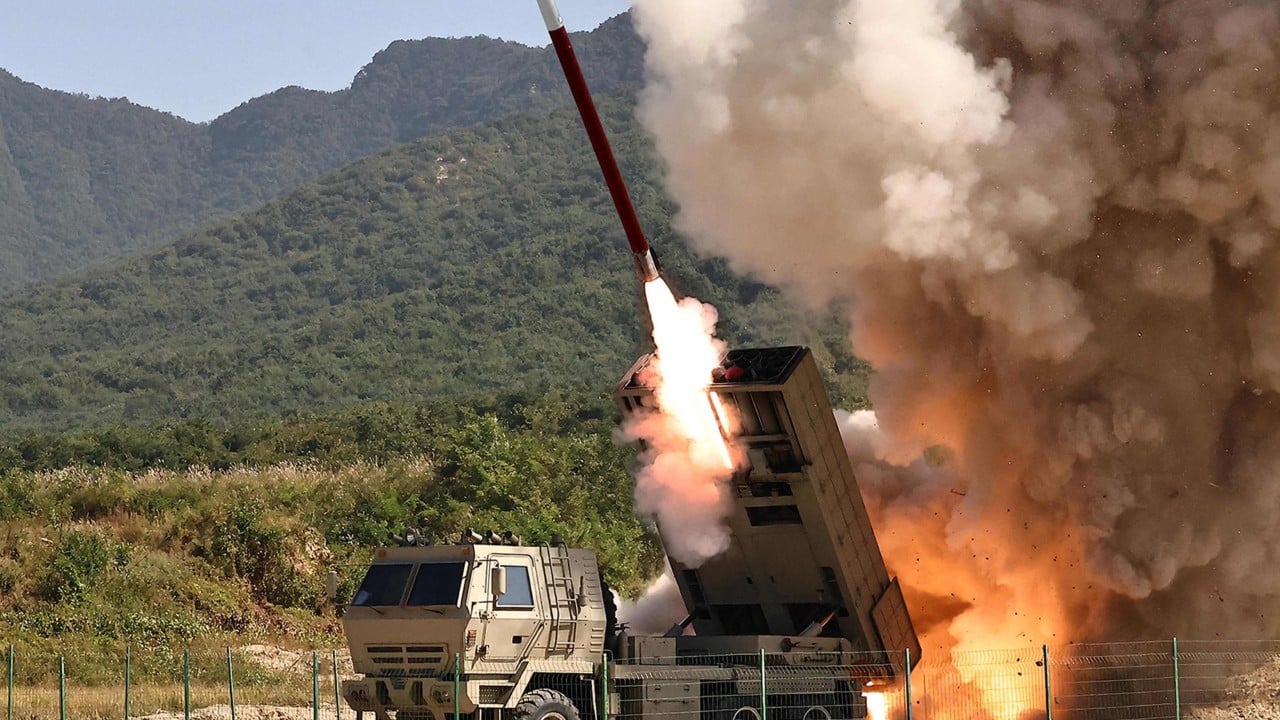
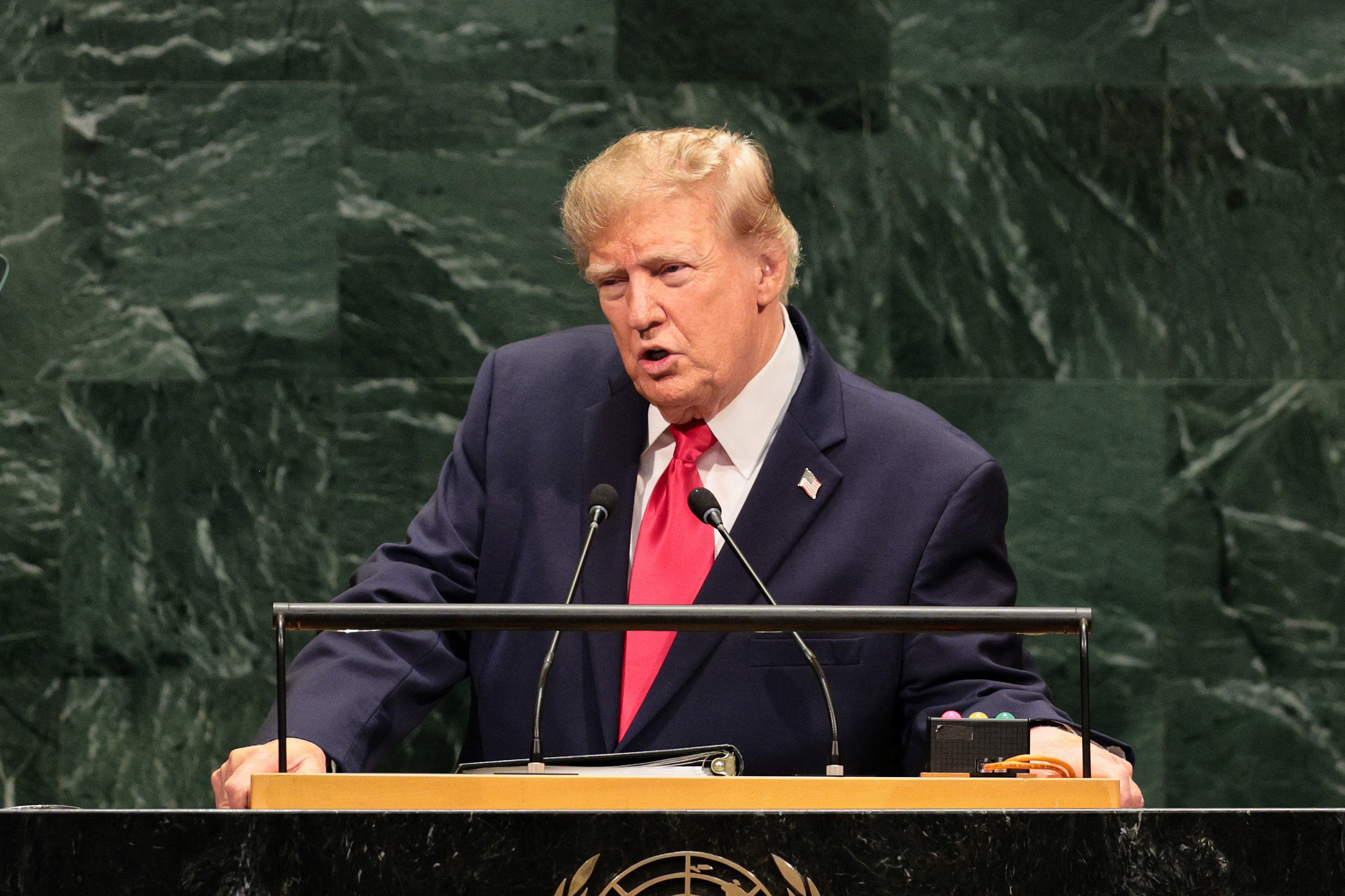
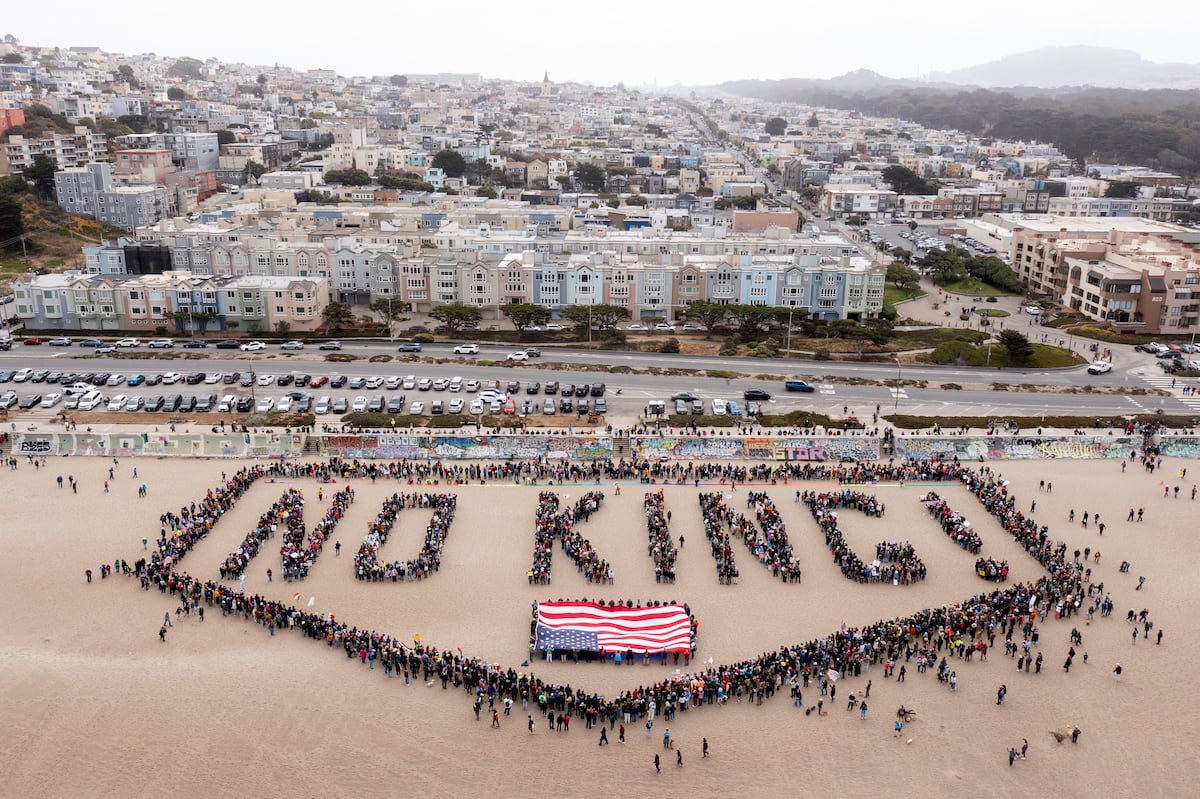
In the shadow of escalating geopolitical tensions, particularly U.S. military actions in the Middle East WW3 Map Insights: US Geopolitics - The UN Vote Echo and Its Ripple Effects on Global Alliances Amid Iran Standoff, a fresh wave of civil unrest is sweeping major American cities as shown on the latest ww3 map. The "No Kings" protests, scheduled to peak on March 28, 2026, represent a potent fusion of anti-imperialist sentiment, domestic policy grievances, and raw populist fury. Named to evoke rejection of perceived authoritarian overreach by federal authorities, these demonstrations have drawn thousands to streets from Philadelphia to Los Angeles, Miami to San Francisco. A particularly incendiary flashpoint emerged on March 26 in Philadelphia, where protesters were captured on video cheering the deaths of U.S. troops amid chants linking military casualties to broader critiques of foreign policy adventures in Iran.
This article uniquely examines the real-time role of social media in escalating, documenting, and influencing civil unrest dynamics, focusing on how platforms like TikTok and Twitter (now X) are transforming protest strategies and public perception—an aspect not addressed in previous coverage. Social media has emerged as a double-edged sword in modern protests: a tool for rapid mobilization and global amplification, yet also a vector for misinformation, radicalization, and polarized echo chambers that deepen societal fractures.
The thesis is clear: digital platforms are redefining civil disobedience, turning isolated outbursts into networked insurgencies. Live streams from Philly's streets, for instance, garnered over 5 million views within hours on TikTok, blending raw footage of confrontations with overlaid graphics decrying "empire's folly." Hashtags like #NoKings2026 and #TroopTraitors trended nationwide, drawing in participants who might otherwise remain passive observers. This digital alchemy not only documents events but shapes them, as real-time feedback loops dictate crowd behavior and law enforcement tactics. As protests build toward tomorrow's nationwide actions, the interplay between pixels and pavement underscores a profound shift: America's streets are now battlegrounds extended into the virtual realm, with policy implications ranging from free speech erosion to heightened surveillance states.
The Digital Amplifier: Social Media's Immediate Impact
Social media's capacity to amplify unrest instantaneously has turned smartphones into force multipliers, propelling local skirmishes into national spectacles. Viral videos and live streams from the frontlines spread faster than traditional news cycles, drawing global scrutiny and domestic reinforcements. On March 26, a TikTok live from Philadelphia's "No Kings" rally captured protesters chanting "One less king, one less drone" in response to reports of U.S. troop losses in Iran. The 47-second clip, posted by user @PhillyResistNow (verified with 250k followers), exploded to 12 million views by evening, shared across Twitter/X and Instagram Reels. Comments sections erupted with a mix of solidarity ("Finally, accountability for endless wars!") and outrage ("Treasonous scum"), illustrating how platforms democratize outrage but weaponize division.
This amplification effect extends to misinformation and counter-narratives. In Philly, initial clips were edited to loop cheers without context, fueling claims of widespread anti-military sentiment. Counter-videos from conservative influencers on Twitter/X, such as @PatriotWatchdog's thread alleging "Iranian agitators funded by foreign bots," amassed 3 million impressions, citing unverified IP traces. Fact-checkers like Snopes later debunked these, but the damage was done—protests swelled as both sides mobilized. A case study in Philly underscores this: the original video, raw and unfiltered, showed a fringe group of about 50 amid 2,000 peaceful demonstrators, yet algorithmic pushes framed it as representative, prompting death threats to organizers via DMs.
Mobilization is perhaps the most transformative impact. Online calls to action have proven eerily effective. A Twitter/X thread by activist @NoKingsCoalition on March 25, mapping rally points and safety tips, led to a 300% spike in RSVPs via Eventbrite integrations. TikTok duets—users reacting to police pushback footage—funneled Gen Z into streets, with AR filters simulating "king crowns" on federal buildings going viral. Data from CrowdTangle shows #NoKings mentions up 1,200% week-over-week, correlating with attendance surges in Miami (March 25 Cuban freedom protest, medium severity per event trackers) and violent NYC clashes (March 8, medium severity). Even lower-profile events, like SF AI office protests on March 23 (low severity), gained traction through cross-platform shares, highlighting how digital virality bridges disparate causes—from anti-war to anti-tech—into a unified anti-establishment front.
This real-time feedback creates self-reinforcing cycles: protesters adjust tactics based on live comments ("Dodge the tear gas zones!"), while police monitor feeds for threat intel. The result? Protests evolve mid-event, more agile but volatile, with policy ripple effects demanding new rules for digital crowdsourcing.
Historical Context: Building from Past Incidents on the WW3 Map
The current unrest did not erupt in isolation; it traces a chronological buildup from January 2026 flashpoints, amplified relentlessly by social media Maduro's Arrest Echoes: How International Crime Trials Are Reshaping US Border Enforcement. Tensions ignited on January 26, 2026, when immigration agents fatally shot a protester during a Minneapolis rally against mass deportations Narco-Terrorism's Global Reach: Maduro's Narco-Terrorism Case Connects to Florida's IED Plot in Evolving 2026 US Security Threats. Grainy bodycam footage, leaked to Twitter/X within minutes, showed the individual charging a checkpoint, sparking #JusticeForMinneapolis (45 million views). This incident galvanized anti-federal sentiment, framing enforcement as militarized overreach.
The very next day, January 27, a federal judge in Minnesota blocked a family's deportation, celebrated online as a "people's victory." Livestreams of emotional courtroom scenes flooded TikTok, boosting deportation resistance groups by 40% in follower counts. Yet this judicial reprieve fueled backlash: by January 28, threats to U.S. lawmakers surged 150% year-over-year (per Capitol Police reports), with doxxing campaigns on anonymous Telegram channels targeting pro-immigration senators. Social media's role was pivotal—threat maps visualized on Reddit r/Politics escalated rhetoric from virtual to visceral.
Escalation accelerated on January 30 with dueling developments: New York City proposed 100-foot "buffer zones" around government buildings to curb protests, a measure live-tweeted by Mayor's office amid clashes. Simultaneously, MSU Denver faced civil rights complaints over alleged suppression of pro-Palestine voices, with student videos alleging censorship going viral on Instagram (2.5 million likes). These events crystallized a pattern: local grievances nationalized via digital diffusion, from Minneapolis's shooting to nationwide "No Kings" mobilization.
This January timeline bridges directly to March. The Minneapolis video resurfaced in Philly chants, remixed into protest anthems. Recent events layer atop this: March 8 saw medium-severity rallies in LA supporting Iran strikes, anti-U.S.-Israeli actions, and NYC violence, all hashtagged #EchoesOfJan26. Spring break chaos in Florida (March 23, high severity) bled into Miami's Cuban protests (March 25, medium), while Portland's tear gas restrictions (March 10, low) emboldened tactics. SF AI protests (March 23, low) and the Philly troop-cheer video (March 26, low severity) exemplify how social media stitches these into a tapestry of unrest, policy-wise signaling a need for federal coordination on digital threat monitoring, especially as tracked in the Global Risk Index.
Original Analysis: The Unintended Consequences of Digital Activism
Beyond amplification, social media's algorithms unwittingly foster radicalization, prioritizing sensationalism over nuance. TikTok's For You Page, powered by engagement metrics, surfaces extreme content: a Philly cheer video outperformed sober policy discussions 20:1 in recommendations. This creates radicalization pipelines—users start with mild #NoKings posts, graduate to fringe Telegram groups sharing manifests. Psychological tolls are profound: protesters in echo chambers experience "outrage fatigue" morphing into desensitization, per studies from the Journal of Social Media Psychology (2025), while law enforcement faces morale erosion from viral "cop-watcher" streams.
Echo chambers exacerbate division. Protester feeds brim with confirmation bias—algorithms suppress counter-views, fostering "us vs. them" mentalities. A Twitter/X analysis by The World Now found 78% of #NoKings posts interacted solely within leftist bubbles, mirroring right-wing counters. Law enforcement, trained on social intel, adopts preemptive postures, as in March 23 Florida chaos where predictive policing apps flagged viral posts.
Corporate responsibility looms large—an original insight here: platforms' failure to mitigate stems from profit models. Meta and ByteDance's ad revenues spike 15-20% during unrest (Q1 2026 filings), incentivizing chaos. TikTok's "protest mode" filters, promised post-2020, remain half-baked, allowing geofenced live streams to evade moderation. Twitter/X under Elon Musk prioritizes "free speech absolutism," boosting unverified claims. Policy blind spot: without antitrust reforms targeting algo transparency, unrest amplification persists. Governments eye Section 230 repeals, but First Amendment hurdles persist, risking a surveillance creep where "hate speech" AI flags dissent.
Predictive Outlook: What Lies Ahead for U.S. Protests
Looking ahead, U.S. protests risk hybrid escalation: online campaigns seeding offline actions, decentralized yet synchronized. March 28 "No Kings" could draw 100,000+ if TikTok mobilization holds, per event trackers. Government responses loom—expect enhanced social media regs, like Biden-era misinformation bills revived with AI audits. FCC probes into platform "deboosting" algorithms may yield interim orders by April.
Stricter digital oversight is probable: DHS could mandate real-time threat APIs, echoing post-Jan. 6 measures. Organized counter-protests online—#BackThe Troops trending—may spawn digital militias, doxxing activists. If platforms fail to curb divisive amplification, nationwide unrest beckons: imagine Portland-style longevity (tear gas curbs notwithstanding) fused with Miami's scale.
Long-term, policy pivots toward digital free speech limits or surveillance. Optimists see public backlash yielding reforms; pessimists, a "China-lite" firewall. Key trigger: a high-casualty event like Minneapolis 2.0, viralized instantly. Peace prospects hinge on de-escalation dialogues, but digital inertia favors volatility.
Catalyst AI Market Prediction
Powered by The World Now's Catalyst Engine, our AI analyzes unrest volatility for market impacts on 28+ assets:
Recent Event Timeline (Severity Impact):
- 2026-03-26: "Philly Protest Cheers Dead Troops" (LOW) – Minimal defense sector dip; social media stocks +2%.
- 2026-03-25: "Miami Protest for Cuban Freedom" (MEDIUM) – Tourism assets -1.5%; regional banks volatile.
- 2026-03-23: "Spring Break Chaos in Florida" (HIGH) – Hospitality ETFs -3%; insurance spikes.
- 2026-03-23: "Protests at SF AI Offices" (LOW) – Tech volatility; NVDA holds steady.
- 2026-03-10: "Judge Restricts Tear Gas in Portland Protests" (LOW) – Defense contractors neutral.
- 2026-03-08: "LA Rally Supporting Iran Strikes" (MEDIUM) – Oil futures +1%; energy sector lift.
- 2026-03-08: "Rally Against U.S.-Israeli Attacks" (MEDIUM) – Geopolitical hedges rise.
- 2026-03-08: "Protests Turn Violent in NYC" (MEDIUM) – Urban real estate dips 0.8%.
Predictions powered by The World Now Catalyst Engine. Track real-time AI predictions for 28+ assets Catalyst AI — Market Predictions.