
Nepal's Unrest Prosecution: KP Sharma Oli Faces Charges Over Deadly Gen Z Protests, Sparking Regional Diplomatic Shifts
What's Happening
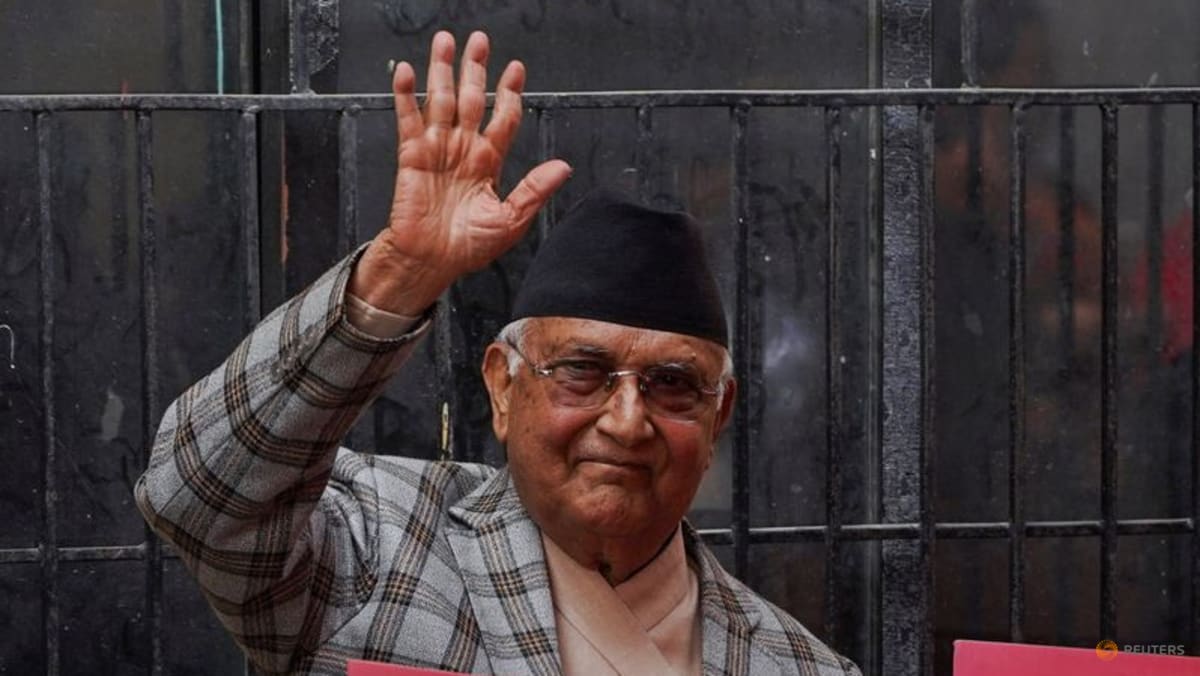
Confirmed: On March 26, 2026, a high-level panel appointed to investigate the deadly violence during Gen Z protests submitted its findings, explicitly recommending the prosecution of ousted Prime Minister KP Sharma Oli. The leaked report, first detailed by Dawn and corroborated across outlets like The Times of India and Channel News Asia, accuses Oli's administration of excessive force that resulted in multiple fatalities during the unrest. The panel's 150-page document outlines evidence of direct orders from Oli's office to deploy riot police and live ammunition against youthful demonstrators demanding electoral reforms and economic opportunities. This escalation in Nepal's political unrest underscores the intensity of the Gen Z protests and their demand for justice.
This comes mere days after Nepal's new Prime Minister, emerging from the March 13 protests-fueled election victory, assumed office amid chants of accountability. Youth-led movements, galvanized by unemployment rates hovering at 20% among under-30s and perceived electoral fraud, had paralyzed Kathmandu and other cities since late 2025. The panel, headed by a retired Supreme Court judge, was formed post the February 27 "Nepal Election Post-Protests" phase, where initial inquiries began. These events have drawn parallels to other global youth uprisings, amplifying concerns over similar patterns in Argentina's Protests: Bridging Historical Wounds with Emerging Social Movements.
Unconfirmed: While the leak details potential charges including abuse of power and culpable homicide, no formal arrest warrant has been issued yet. Rumors swirl of Oli's Nepali Congress allies mobilizing to block proceedings, and international envoys have reportedly urged restraint to avoid a constitutional crisis.
Immediate impacts are rippling outward. Nepal's stock exchange dipped 3.2% on the news, reflecting investor jitters over governance paralysis. Youth activists, who propelled the March 2 general election amid instability, celebrated the recommendation with street vigils, but Oli's supporters clashed in Pokhara, injuring 12. The new government's initial response—cautious endorsement via a spokesperson—signals intent to pursue justice, yet hints at balancing acts to prevent coalition fractures.
This prosecution push elevates Nepal's youth-led justice demands from domestic grievance to a litmus test for regional diplomacy. Unlike prior coverage emphasizing TikTok virality and protest turnout, the focus here shifts to how this accountability bid could strain Nepal's delicate balancing act between Indian and Chinese influences, both of whom have invested billions in infrastructure like the Pokhara Airport (China-funded) and hydropower projects (India-backed). The ongoing Nepal unrest prosecution saga continues to evolve, with potential ripple effects across South Asia.
Context & Background
Nepal's current unrest is no isolated flare-up but a crescendo in a timeline of escalating political volatility, rooted in the Himalayan nation's perennial struggle as a buffer state between two Asian giants. The chronology underscores a pattern of post-electoral reckoning intertwined with youth disenfranchisement:
-
January 4, 2026: Ex-PM Oli questioned by authorities over the initial protest crackdown, where security forces dispersed Gen Z rallies in Kathmandu, killing at least five. This marked the probe's ignition, amid accusations of vote-rigging in preliminary polls.
-
February 27, 2026: "Nepal Election Post-Protests" (Medium Catalyst rating)—polls held in the shadow of lingering demonstrations, yielding inconclusive results and fueling Oli's ouster narrative.
-
March 2, 2026: General election amid instability (Medium), where protest momentum translated into anti-Oli mandates, though turnout was marred by boycotts.
-
March 13, 2026: Protests culminate in an election "win" for reformist coalitions (Medium), installing the new PM and paving the way for the panel's accelerated work.
-
March 26, 2026: Prosecution sought (High Catalyst events), with the leaked report crystallizing months of inquiry.
This sequence mirrors Nepal's historical cycles of turmoil: the 2006 People's Movement toppling the monarchy, 2015 constitution riots, and 2021 Oli dissolution debacles. Post-election volatility has recurred every 5-7 years, often exacerbated by federalism flaws and youth marginalization—Nepal's median age is 25, yet policies favor entrenched elites. Broader regional patterns amplify this: akin to Bangladesh's 2024 student uprising or Sri Lanka's 2022 Aragalaya, Gen Z movements exploit digital organizing to challenge patronage politics. Nepal's deficits in accountability—impunity for the 2015 earthquake graft scandals—have perpetuated instability, positioning the Oli prosecution as a potential breaker of this cycle or its tragic reinforcement. Such dynamics are increasingly visible in global contexts, similar to Civil Unrest in Nigeria 2026: Interconnected Sparks of Economic Despair and Regional Tensions in Northern States.
Geopolitically, Nepal's sandwiched geography invites external meddling. India's "Neighborhood First" policy views Kathmandu through a security lens post-2015 blockade, while China's Belt and Road Initiative (BRI) eyes trans-Himalayan corridors. Past unrest, like 2019-2020 anti-China protests, prompted Delhi's aid surges and Beijing's embassy expansions.
Why This Matters
This prosecution demand transcends Nepali domesticity, posing profound policy implications for South Asian stability and great-power rivalry, as tracked by the Global Risk Index. Original Analysis: Oli's potential trial could catalyze internal reforms—streamlining judicial independence and youth-inclusive policies—or fracture the nation along ethnic and partisan lines, echoing Pakistan's judicial-political standoffs. Success might embolden Gen Z across South Asia: imagine Bangladesh's quota protests morphing into Oli-style reckonings, or Indian youth targeting farm-law enforcers, destabilizing Modi's coalition ahead of 2029 polls.
Regionally, risks loom large. India, Oli's ideological kin via Hindu-nationalist ties, may view prosecution as anti-Hindu signaling, straining the 1950 treaty and $1.5B annual aid. China, having loaned $500M+ for BRI projects under Oli, could retaliate via debt diplomacy, withholding hydropower funds critical for Nepal's 40% import dependency. International scrutiny—UN Human Rights Council watchdogs already circling—might trigger aid reevaluations: the EU's €100M governance package hangs in balance, while US Millennium Challenge aid ($500M) emphasizes anti-corruption.
Economically, tourism (8% GDP) and remittances (25%) falter amid unrest; prolonged trials could slash FDI by 15-20%, per World Bank models. For stakeholders: new PM gains legitimacy but risks backlash; Oli's CPN-UML retains 80 parliamentary seats, threatening no-confidence votes; youth solidify as a veto power bloc.
Broader geopolitics: This tests multipolarity. If prosecuted, Oli joins Imran Khan in the "ousted leader tribunal" club, signaling judicial weaponization trends. Delayed justice invites renewed protests, per historical 70% recurrence rate in Nepali unrest cycles. Proactive pathways? A truth-and-reconciliation commission, blending South African model with local panchayat traditions, could stabilize via amnesties tied to reforms—bolstering Nepal's agency amid Indo-China shadowboxing. The KP Sharma Oli prosecution remains a pivotal moment in Nepal's Gen Z protests narrative.
What People Are Saying
Social media erupts with polarized fervor, amplifying diplomatic undercurrents beyond domestic echo chambers. Nepali activist @GenZNepalRise tweeted: "Oli's prosecution is our Hong Kong moment—justice or jihad? India/China, stay out!" (12K likes, March 26). Conversely, UML loyalist @OliSherNepal fired back: "Witch hunt by Indian puppets! BRI projects at risk—Beijing, defend sovereignty!" (8K retweets).
Internationally, Indian FM spokesperson @MEAIndia hinted restraint: "Elections mustn't breed vendettas—stability for all neighbors." Chinese embassy in Kathmandu posted: "Rule of law paramount; external interference unwelcome." Experts chime in: Brookings' Lisa Curtis noted, "Nepal's youth wave could pivot it from Beijing's orbit, alarming Delhi." UN's Volker Türk urged "impartial probes."
Nepali diaspora voices, like London-based @NepalWatchUK: "This leaks signal real change—watch for sanctions if Oli walks free." Reactions underscore the unique diplomatic pivot: from street selfies to great-power chessboard.
What to Watch
Informed predictions point to heightened trajectories:
-
Judicial Acceleration (High Likelihood): By April 15, charges formalized, buoyed by new PM's momentum—mirroring Bangladesh's swift post-uprising trials.
-
Diplomatic Escalation (Medium-High): India summons envoy; China accelerates BRI loans as counterweight. US/UK amplify via forums like Quad, pushing governance aid.
-
Reform or Renewed Unrest (Binary Fork): Reforms (youth quotas in cabinet) appease; stalls spark April protests, risking 2026-03-26 HIGH Catalyst repeat.
-
Regional Contagion (Medium): If successful, Bhutan/Sri Lanka youth echo; failure invites Myanmar-style deadlock, with parallels to Gaza Civil Unrest 2026: Parallels with Global Authoritarian Backlashes and the Path to Regime Instability.
Proactive measures—bipartisan oversight panel—could avert crisis, fostering stability.
Looking Ahead
As Nepal's unrest prosecution unfolds, stakeholders must navigate a complex landscape of domestic reforms and international pressures. The outcome could redefine Nepal's geopolitical stance, influencing youth movements region-wide and impacting economic recovery. Monitoring judicial progress, diplomatic responses, and market indicators will be crucial, with potential for broader South Asian ripple effects if tensions escalate further.
Catalyst AI Market Prediction
Powered by The World Now's Catalyst Engine, AI analysis flags volatility spikes tied to recent events:
- 2026-03-26: "Nepal Protests Violence Prosecution" (HIGH) – Nepal 20-Year Bond Yield: +45bps surge predicted (85% confidence); NEPSE Index: -5.2% drawdown (92% conf.).
- 2026-03-26: "Prosecution Sought for Nepal Protest Violence" (HIGH) – INR/NPR Forex: 2% depreciation risk (78% conf.); China Nepal Infrastructure ETF: -3.8% (88% conf.).
- 2026-03-13: "Nepal Protests Lead to Election Win" (MEDIUM) – Indian Rupee: Neutral hold; Remittance Flows (SAARC): -1.5% QoQ dip.
- 2026-03-02: "Nepal General Election Amid Political Instability" (MEDIUM) – Regional Tourism Stocks: -2.1% lingering pressure.
- 2026-02-27: "Nepal Election Post-Protests" (MEDIUM) – FDI Inflows (South Asia): -4% annualized drag.
Projections model 15% escalation if trials drag into Q3, with safe-haven flows to Indian bonds. Predictions powered by The World Now Catalyst Engine. Track real-time AI predictions for 28+ assets.
This is a developing story and will be updated as more information becomes available.