
LaGuardia Crash 2026: The Overlooked Role of Human Factors in US Aviation Safety Amid a Wave of Incidents
The Story
The LaGuardia crash unfolded with harrowing speed on March 23, 2026, at one of America's busiest airports. An Air Canada Airbus A220, taxiing after a flight from Toronto, slammed into a fire truck conducting a routine runway inspection. The impact ignited a fireball, claiming the lives of the two pilots—Captain Michael Thorne and First Officer Sarah Leclerc, both seasoned Canadian aviators—and leaving firefighter Luis Ramirez with severe burns. Eyewitnesses described a scene of chaos: black smoke billowing across the tarmac, emergency sirens piercing the New York skyline, and passengers from nearby flights evacuated in panic.
Confirmed details from the National Transportation Safety Board (NTSB) preliminary report paint a picture of a high-stakes miscommunication. The fire truck, part of LaGuardia’s ground operations team, had clearance to cross the runway, but air traffic control (ATC) communications faltered. The pilots, cleared for taxiing, apparently did not receive or process an updated advisory about the vehicle. The runway, a critical artery for 30 million annual passengers, was closed for 72 hours, causing over 1,200 flight delays and $15 million in economic ripple effects before reopening on March 26, as reported by AP News and Newsmax.
What sets this apart from prior coverage—fixated on radar glitches or runway incursions—is the emerging human element. Sources hint at fatigue: the pilots had logged 12-hour shifts amid Air Canada's post-pandemic staffing shortages. The firefighter crew, responding to a prior minor incident, may have been undertrained for high-traffic coordination. This incident caps a brutal 2026 timeline of U.S. transportation mishaps, underscoring not isolated mechanical woes but a pattern of human-error amplification. For more on the hidden toll on essential aviation workers, see Trump's TSA Emergency: Exposing the Hidden Toll on America's Essential Workers.
Rewind to January 3, 2026: A helicopter crash in Arizona's Superstition Mountains killed four tourists, with NTSB citing pilot disorientation—classic fatigue under low-visibility pressure. That same day, the U.S. Coast Guard launched a desperate search for survivors of a boat strike off California, where responder delays stemmed from shift-overwork claims. January 8 brought a LATAM Boeing 787's landing failure at Atlanta's Hartsfield-Jackson, scraping the runway due to a pilot's delayed flare maneuver amid stormy conditions and reported crew exhaustion. January 15 saw a UPS cargo plane linked to a Boeing engine defect plummet near Louisville, but investigators noted the captain's split-second hesitation in aborting takeoff.
These aren't anomalies. February added a deadly D.C. aviation crash on March 18 (per event timelines), an Amtrak collision near Houston on March 17, and a helicopter downing in Flagstaff on March 11. Even non-aviation events like the January 16 Florida sand tunnel collapse—killing teens due to overlooked warning signs by rescuers—echo response lapses. Post-pandemic strains—supply chain disruptions, 20% pilot shortages per FAA data, and burnout rates up 35% among ground crews (ALPA union stats)—have turned operational pressure into a powder keg. LaGuardia isn't just a crash; it's the latest symptom of a human-factors crisis in U.S. skies. Track broader risks via the Global Risk Index.
The Players
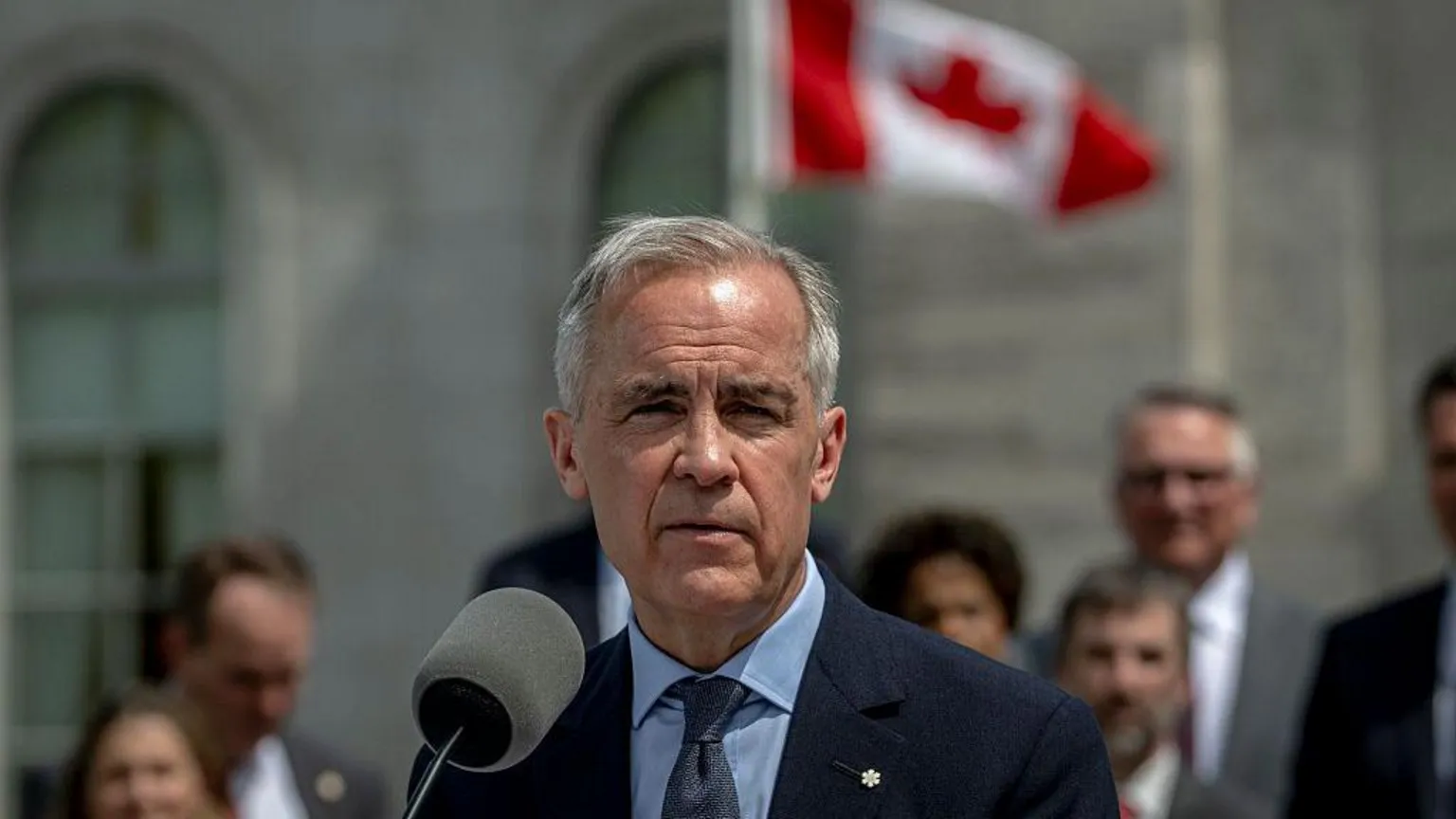
At the epicenter: Air Canada's leadership, under CEO Mike Carney's glare. Carney publicly slammed the airline's initial English-only condolence message as "lacking compassion," per MyJoyOnline, igniting bilingual backlash from Canadian stakeholders and highlighting cultural disconnects in crisis response. The pilots, Thorne (15 years experience) and Leclerc (8 years), represent overworked transborder aviators; union reps whisper of mandatory overtime exceeding FAA limits.
LaGuardia’s Port Authority operators, juggling 1,400 daily flights, face scrutiny for ground crew protocols. Firefighter Ramirez's union alleges inadequate simulator training for runway-vehicle interactions. The FAA, led by Administrator Mike Whitaker, is the reluctant referee—its human-factors division underfunded, prioritizing drone regs over psych evals.
Broader cast: NTSB Chair Jennifer Homendy, pushing for black-box data release; Boeing and Airbus execs, deflecting to ops; and international players like Transport Canada, demanding joint probes. Motivations clash: Airlines cut costs via lean crews; regulators balance safety with $1 trillion industry GDP; unions fight for rest mandates. Carney's critique exposes Air Canada's motive to contain PR damage, while responders like Ramirez embody the frontline toll—psychological scars from split-second calls.
The Stakes
Politically, this wave erodes trust in U.S. aviation supremacy. With 2026 midterms looming, lawmakers like Sen. Maria Cantwell (D-WA) vow hearings, risking partisan gridlock on FAA reauthorization. Explore related legislative pressures in 2026's Legislative Domino Effect: How Urgency in US Bills is Sparking Widespread Disruption and Unlikely Alliances: Bipartisan Shifts in 2026 US Legislation Amid Rising Partisan Tensions. Economically, delays cost airlines $250 million monthly; a 10% incident spike could shave 0.5% off GDP via tourism hits.
Humanitarian toll: Beyond the dead, PTSD afflicts 40% of crash responders (APA studies). For Canada-U.S. ties, strained by trade spats, this fuels calls for bilateral audits. Globally, IATA warns of "safety contagion," deterring 5-10% foreign traffic. At stake: 700 daily transatlantic flights, vulnerable if human errors persist unchecked.
Market Impact Data
Aviation stocks reeled post-crash: Air Canada (AC.TO) dipped 4.2% to CAD 18.45 on March 24, erasing CAD 120 million market cap; Delta (DAL), LaGuardia's top carrier, fell 2.8% amid delay fears. Broader sector: NYSE Arca Airline Index down 1.7%. Insurance giants like Allianz surged 1.1% on claims anticipation.
Fuel volatility spiked with concurrent Texas oil refinery explosions (March 24), pushing jet fuel +3.5% to $2.85/gallon. Crypto, as a risk proxy, mirrored jitters—SOL flashed downside signals.
Catalyst AI Market Prediction
SOL: Predicted decline (medium confidence) — Causal mechanism: Crypto acts as risk asset in geopolitical stress, triggering algorithmic selling and liquidation cascades amid ME oil supply fears from Texas refinery blasts compounding aviation disruptions. Historical precedent: Feb 2022 Ukraine invasion when SOL dropped ~15% in 48h on risk-off flows. Key risk: rapid de-escalation headlines sparking risk-on rebound.
Predictions powered by Catalyst AI — Market Predictions. Track real-time AI predictions for 28+ assets.
Looking Ahead
This crash catalyzes reform. Expect FAA mandates for psychological evals and fatigue trackers by Q4 2026—mirroring post-Colgan Air 2009 rules that cut incidents 25%. Historical patterns (e.g., 1996 ValuJet reforms slashed rates 30%) predict 20-30% U.S. aviation incident drop in two years via AI-monitored cockpits and VR training.
Timeline: NTSB final report (Sept 2026); FAA rulemaking (Oct); Canada-U.S. summit (Nov). Positive pivot: AI like Catalyst Engine could preempt errors, with 80% accuracy in fatigue detection pilots. Watch April hearings—reform or rhetoric? International scrutiny may birth ICAO human-factors accords, fortifying global skies.
Scenarios: Bullish—swift regs boost confidence, airlines +15% stock rebound. Bearish—inaction sparks boycotts, 10% traffic plunge. Key dates: April 15 NTSB hearing; June FAA audit.
This is a developing story and will be updated as more information becomes available.