
Democratic Republic of the Congo Ebola Outbreak Tops 2,500 Deaths as UN Warns of Exponential Growth
The Ebola outbreak in the Democratic Republic of the Congo is growing exponentially with more than 2,500 deaths recorded, half of them in the past 20 days, according to the UN's senior Ebola coordinator. [4] The Democratic Republic of the Congo outbreak has already become the largest in the country's history while spreading faster than any previous Ebola event on record. [4]
UN Warns of Exponential Ebola Growth
The United Nations has warned that the Ebola virus continues spreading “exponentially” in the Democratic Republic of the Congo. [1] UN Senior Ebola Coordinator Julien Harneis stated that the outbreak is “spreading faster and wider” than ever before, with more than 2,500 people now dead. [1] Half of those deaths occurred in the last 20 days. [4] Harneis called for additional funds to control the spread, noting that the existing pool of money will run out within weeks. [1] The coordinator warned that the epidemic could spread to neighbouring countries without a ramped-up response and urged more staffing and resources to reach remote areas. [1] In the past three weeks the number of deaths has doubled, according to Harneis. [2] Every delay in financing makes the epidemic more deadly and harder to stop, he said. [2]
Scale and Strain of the Outbreak
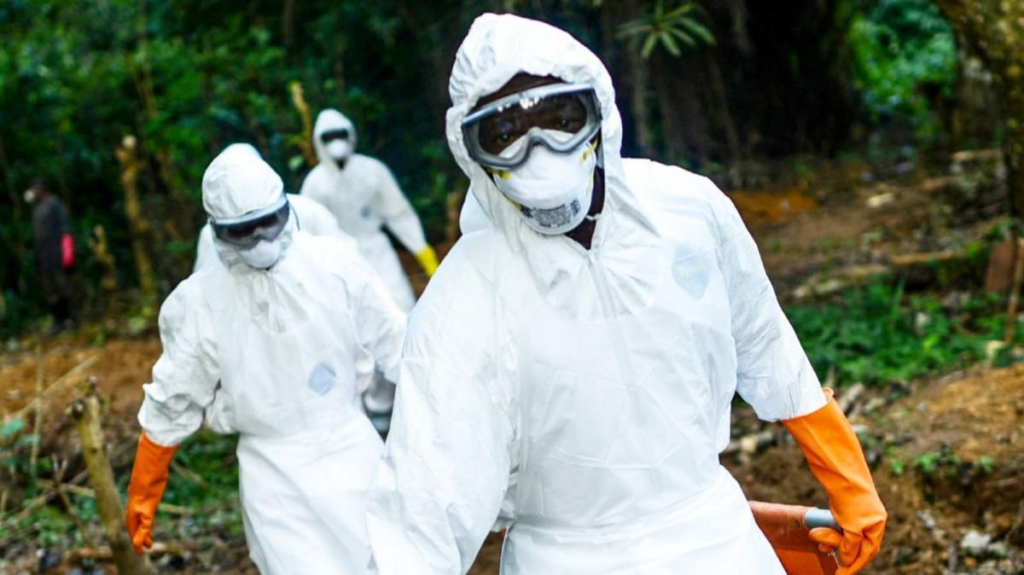
The outbreak, caused by the rare Bundibugyo strain of Ebola for which no licensed vaccine exists, has infected over 5,000 people. [2] More than 160 healthcare workers have fallen ill, with 43 dying. [1] The Bundibugyo variant is lethal, with fatality rates between 30 and 50 percent among those infected. [2] No licensed vaccine or treatment exists specifically for Bundibugyo Ebola virus disease. [3] The epidemic has spread across an area larger than France in conflict-hit eastern provinces including Ituri. [2] The virus spreads through direct contact with bodily fluids from infected persons, both living and dead, and can cause fever, vomiting, diarrhoea and in severe cases internal and external bleeding. [2]
Attacks and Conflict Hamper Response
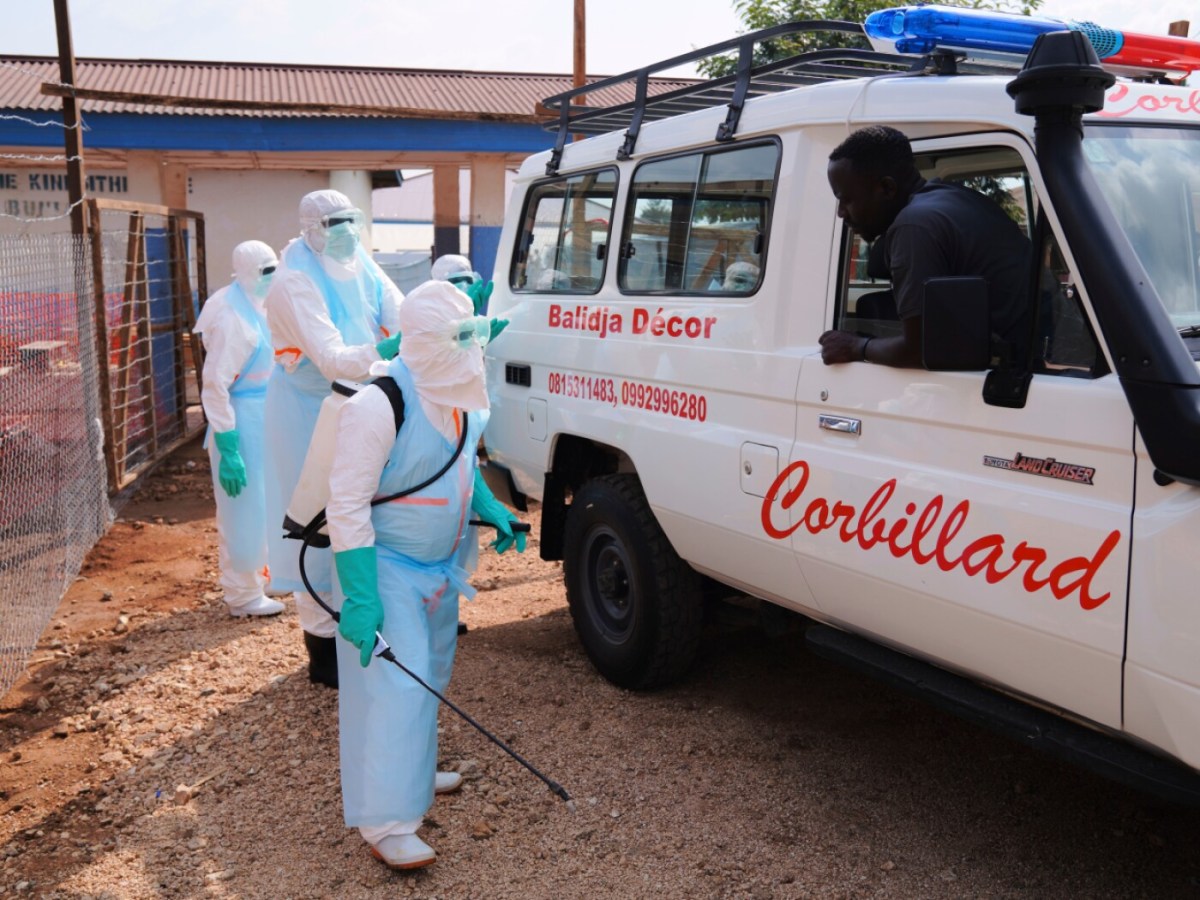
More than 260 attacks on health workers have been reported in the past six months, with eight killed. [1] Conflict and a lack of government control and infrastructure in the eastern Democratic Republic of the Congo have disrupted response efforts. [1] Health workers operate under brutal conditions, and ambulances have been set on fire during attacks. [2] The epidemic is spreading in an area that has experienced three decades of conflict and is generating huge humanitarian needs. [1] Approximately 250,000 people have been displaced from their homes in eastern Congo. [2] Local suspicions, including conspiracy theories that the outbreak is a hoax, have led some communities to react angrily when health restrictions prevent traditional burials. [1] The M23 rebel group that controls parts of the east has announced new restrictions on movement between government-held and rebel-held areas of North Kivu province for one month. [5]
Funding Shortfalls and International Appeals
Funding shortages are acute, with only 60 percent of the $115 million requested received. [2] Existing resources are set to run out within weeks. [1] Harneis warned of the danger that the epidemic will spread to neighbouring countries if it is not brought under control quickly. [2] The World Health Organization’s crisis committee has discussed the development of the outbreak in the Democratic Republic of the Congo and Uganda. [2] Health authorities have warned of the risk of spread to Uganda, Rwanda and South Sudan. [2]
Vaccine Deployment and Research Initiatives
Plans are underway to deploy the Ervebo vaccine, developed for the Zaire strain, in a clinical trial and for frontline health workers. [5] The World Health Organization confirmed that 20,000 doses would be used in a clinical trial to assess effectiveness against Bundibugyo, while 50,000 doses will be administered to front-line health workers. [5] The Coalition for Epidemic Preparedness Innovations has committed $4.17 million to four research projects examining whether existing Ebola vaccines can generate immune responses against the Bundibugyo virus. [3] The studies will analyse stored blood samples from thousands of people previously vaccinated against Zaire ebolavirus, including recipients of the Ervebo vaccine. [3] First antibody results are expected within two to six months. [3] The University of California, Los Angeles will receive $2.05 million, the Institute of Tropical Medicine in Antwerp $1.02 million, the University of Oxford $975,000 and the MRC-University of Glasgow Centre for Virus Research $120,000 for these projects. [3]
Impact on Children and Broader Humanitarian Needs
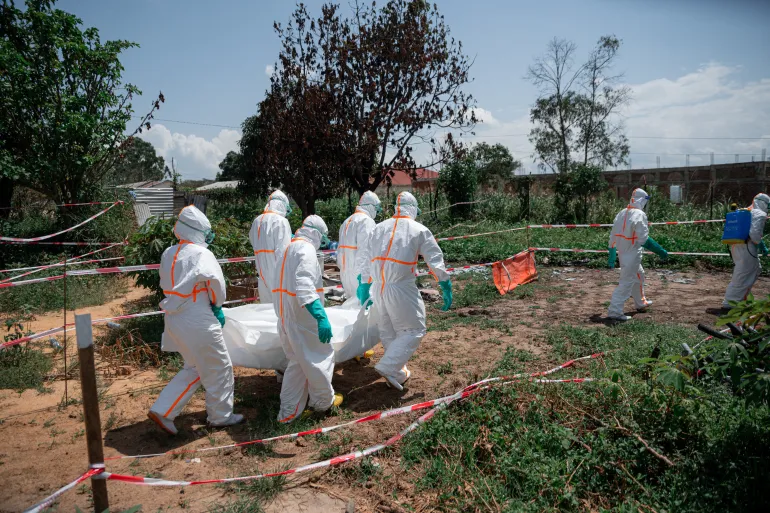
A new report by Save the Children indicates that at least 180 Congolese children have lost both parents or caregivers since the outbreak began. [5] The wider humanitarian crisis in the conflict zone includes difficulties for health teams working in conflict-hit areas and challenges posed by some traditional burial practices. [5] The rapid growth in infections has been linked to late detection and difficulties conducting contact tracing amid ongoing conflict. [2]
What to watch next: The phase three clinical trial of Ervebo alongside Bundibugyo-specific candidates when they become available, the transfer of laboratory methods to the National Institute of Biomedical Research in the Democratic Republic of the Congo, and further international funding decisions that will determine whether resources can be sustained beyond the coming weeks.