
US Uses Virtually All Long-Range Precision Missiles in Five-Month Iran War
The United States has used virtually all of its long-range precision missiles, including ATACMS and Precision Strike Missiles, during the five-month Iran war that began in February, raising concerns about military readiness for other potential conflicts. [3]
Depletion of US Precision Missile Stocks
US forces have expended nearly all ATACMS and PrSM stockpiles, which cost over $1 million each and enable accurate strikes from a safe distance. [1] The war has also depleted about 65 percent of Patriot interceptors and reduced THAAD interceptor stocks by at least 38 percent, with nearly half of global Tomahawk cruise missiles used. [3] The dramatic rundown in precision long-range missiles means President Donald Trump may have to rely more on riskier piloted bombing missions if he relaunches large-scale attacks on Iran. [3] The degree to which the military is running out of ATACMS and Precision Strike Missiles has not been previously reported. [4] Central Command has nearly used up the land-based missiles it had before the war began but has been able to reload from US military supplies elsewhere in the world. [3] The long-range munitions allow accurate strikes from a safe distance, and US-supplied ATACMS have played a key role in the war in Ukraine. [4] PrSM stockpiles were low to start with since it is a relatively new munition. [3]
Background of the Five-Month Iran War
Trump launched the Iran war jointly with Israel in February, predicting that the conflict would last a short time. [3] Five months into the Iran war, Washington finds itself in a posture too deep in to walk away cleanly, not deep enough in to call the thing won. [2] The United States and Israel have degraded Iranian military infrastructure, damaged nuclear-linked facilities and killed commanders. [2] What they have not done is produce an Iranian government willing to capitulate on terms Washington can call victory, or a regional order that does not require the US Navy to keep the Strait of Hormuz open by force indefinitely. [2]

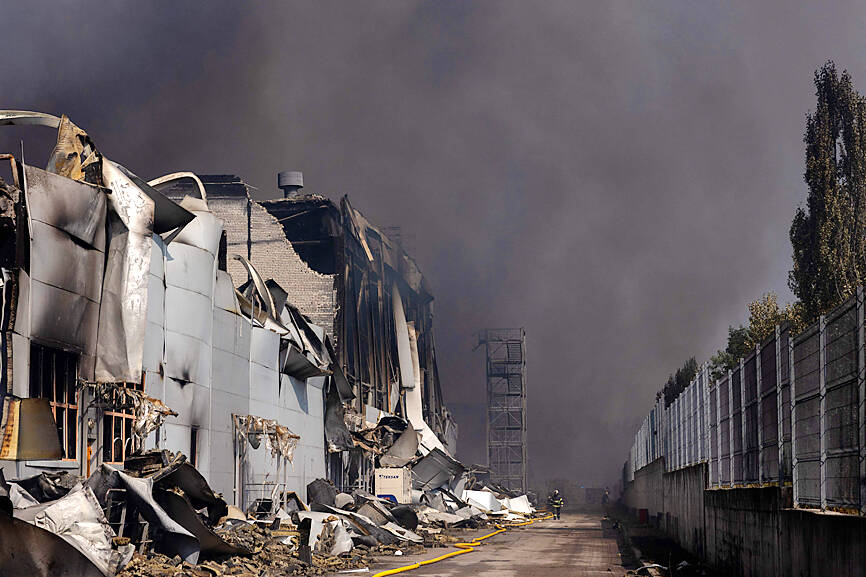
Donald Trump drives past an off-ramp as the US depletes precision missiles in the five-month Iran war. — Source: asiatimes
Trump's Shifting Threats and Diplomacy
Trump has repeatedly threatened major new attacks described as the biggest since World War II but has pulled back, citing Gulf state pressure, while Iran denies ongoing talks. [2] Trump’s on-again, off-again threats to unleash what he has taken to calling the “biggest attack since World War II,” followed within days by announcements that talks are “close,” followed by Tehran denying any talks are happening at all, is not a negotiating strategy. [2] A US official disputed accounts that Trump chose not to move forward with another attack because of stockpile warnings, saying Trump chose not to move forward with another attack because of pressure from Gulf states. [3] Saudi Arabia’s own crown prince publicly urging Trump toward dialogue is a tell. [2] The Gulf states that once quietly cheered pressure on Tehran are now the ones pumping the brakes. [2]
Internal US Debates and Production Response
The supply figures have circulated inside the federal government over the last week during tense conversations inside the Trump administration about how much longer the US can continue striking Iran without drawing down the stockpile to levels that would limit the military’s ability to respond to crises elsewhere. [3] Asked for comment on the stockpile data, the White House issued a statement from Trump saying the US had “far more munitions than anyone in the world” and “far more than we need.” [3] Trump added that “Our defense companies are, at this moment, making more munitions than they have ever made before, in addition to expanding their plants and equipment at record levels.” [4] Chief Pentagon spokesperson Sean Parnell said: “America’s military is the most powerful in the world and has everything it needs to execute at the time and place of the President’s choosing.” [3] Analysts agree that certain munitions, including artillery shells and several types of missiles, are being produced at record levels but caution that supplies might fall short of what is needed for a prolonged war. [4] Raytheon has reached a tentative multi-year agreement with the Pentagon aimed at boosting Tomahawk production. [3]

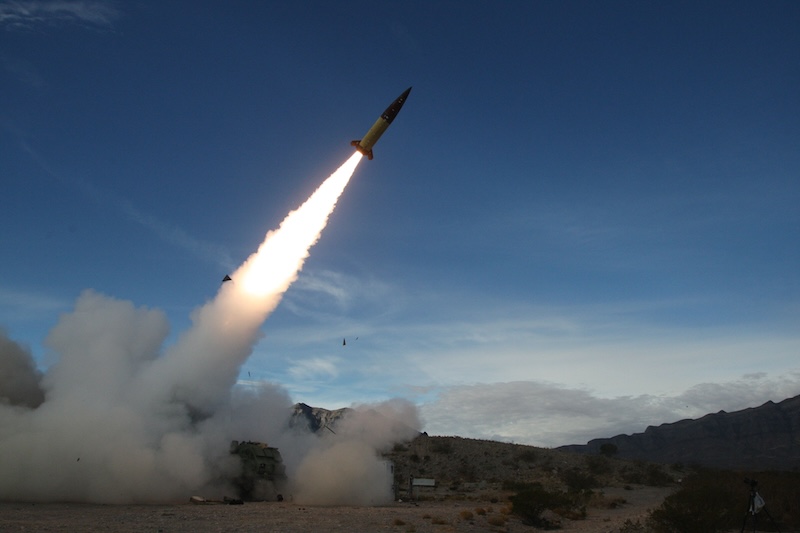
US long-range precision missiles like ATACMS and PrSM were nearly depleted during the five-month Iran war. — Source: gdelt
Strategic Lessons and Regional Impact
The conflict has not produced an Iranian capitulation or stable regional order. [2] Oil tankers are already rerouting around Africa. [2] The actual off-ramp was visible back in May and June, when Gulf states first talked Trump down from strikes and a framework nearly held. [2] It is visible now in the Oman-brokered talks over Hormuz shipping, however tentative. [2] A genuine exit requires abandoning the assumption that decapitating a regime’s capabilities produces strategic clarity rather than strategic drift. [2]
Implications for Future Conflicts
Analysts warn that production increases may not suffice for a prolonged war, potentially forcing reliance on riskier piloted bombing missions. [3] The missiles are valuable in a war against an adversary with strong air defenses, such as China. [4] The Middle East conflict has sparked intense debate about Trump’s authority to prosecute hostilities against Iran without congressional authorization. [3] No request for a declaration of war or an authorization to use military force has been submitted to Congress. [4] The dramatic rundown in precision long-range missiles means President Donald Trump may have to rely more on riskier piloted bombing missions if he relaunches large-scale attacks on Iran. [3]
What to watch next: The Pentagon continues to monitor stockpile levels while defense contractors expand production, and Gulf states maintain pressure for dialogue over further strikes.