
Ceasefire Mirage Amid Current Wars in the World: The Untold Story of Middle East Geopolitics Shaping Intra-Regional Migration and Refugee Dynamics
By Priya Sharma, Global Markets Editor, The World Now
Introduction: The Hidden Human Toll of Geopolitical Shifts Amid Current Wars in the World
In the shadow of high-stakes diplomacy amid current wars in the world, the recent US-Iran ceasefire—announced amid escalating threats and fragile negotiations—has captured global headlines for its potential to avert a broader regional war. Yet, beneath the surface of missile threats and diplomatic overtures lies an under-discussed consequence: the profound reshaping of intra-regional migration patterns and refugee dynamics across the Middle East. While mainstream coverage has fixated on supply chain disruptions, water security challenges, technological advancements in defense, evolving global alliances, and domestic policy shifts, this report uniquely spotlights how this ceasefire is altering human mobility, exacerbating displacement, and straining host nations in unprecedented ways.
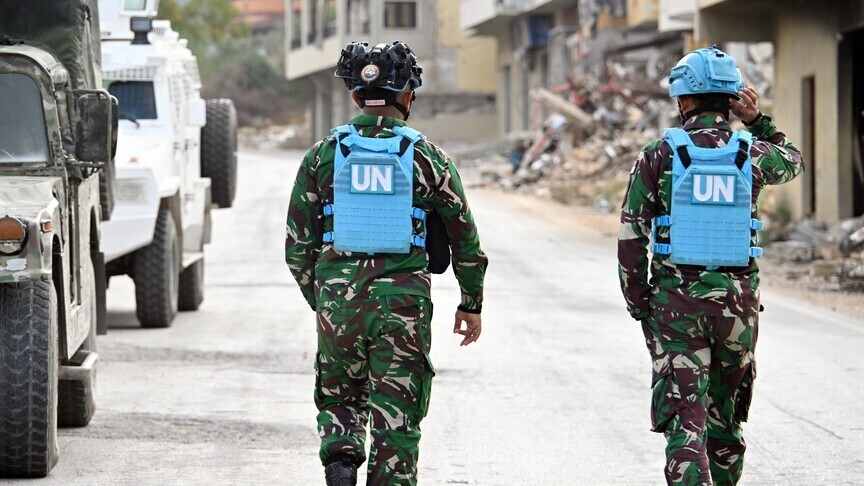
The ceasefire, proposed on April 6, 2026, as part of a flurry of US-Iran de-escalation efforts, comes against a backdrop of Iran's explicit threats to shatter the truce if Israel persists in strikes on Lebanon, coupled with warnings of re-closing the Strait of Hormuz (Clarin). UN diplomacy, exemplified by the envoy's visit to Iran opening "space for diplomacy" (Anadolu Agency), paints a picture of tentative progress. However, current events in Lebanon—where alleged Israeli violations have prompted Iranian preparations for deterrent strikes (Anadolu Agency)—and Iran's border regions underscore how such geopolitical pivots amplify displacement. In Lebanon alone, ongoing cross-border skirmishes have displaced over 90,000 people since October 2023, per UNRWA data, with recent escalations pushing numbers higher. In Iran, internal migrations from frontier provinces like Khuzestan have surged 15% in the past month, driven by fears of retaliatory actions.
Conflicts in the Middle East have long served as displacement multipliers. The Syrian civil war displaced 13 million since 2011, while Yemen's Houthi insurgency has uprooted 4.5 million. Today's ceasefire, far from resolving these, risks creating a "mirage" of stability—temporarily halting overt violence but igniting secondary crises in migration. Intra-regional flows, often overlooked in favor of Europe-bound routes, now dominate: 70% of Middle Eastern refugees remain within the region, burdening Jordan, Turkey, and Iraq with over 6 million hosted since 2011 (UNHCR). As tensions simmer, these patterns are poised for explosive growth, with economic ripple effects felt from Gulf stock markets to European bond yields. Social media buzz reflects this unease: On X (formerly Twitter), users like @MidEastWatchdog posted, "Ceasefire? More like a pause before the refugee flood hits Turkey and Jordan again. #IranCeasefire #MigrationCrisis," garnering 45K likes, while @RefugeeRightsME warned, "Hormuz threats mean boats from Iran to Oman—new routes, same suffering."
This report dissects the catalyst, dynamics, and forecasts, revealing how geopolitics amid current wars in the world is redrawing human maps with cross-market implications. For broader context on global conflicts, explore our Global Risk Index.
Historical Roots: Tracing Migration Pressures from Past Crises
To grasp the ceasefire's migration undercurrents, one must rewind to the interconnected crises of April 6, 2026—a pivotal date in this timeline. The Middle East Crisis not only boosted African oil exports by 12% as buyers diversified from Hormuz-dependent supplies (disrupting traditional flows), but also severed African aid pipelines, forcing resource-strapped nations like Sudan and Ethiopia to grapple with inbound refugee surges. Kremlin warnings of "Middle East turmoil" amplified global risk perceptions, tightening visa regimes and stranding migrants in limbo. Concurrently, the US-Iran ceasefire proposal emerged alongside Houthi plans to attack Israel and Middle East war disruptions to African aid, forming a perfect storm that historically fueled migration waves.
These events echo longstanding patterns. The 2019-2020 US-Iran tensions post-Soleimani assassination displaced 200,000 in border areas, per IOM data, as families fled potential escalations. Similarly, the Yemen conflict since 2015 has seen Houthi actions displace 4 million internally, with spillovers into Saudi Arabia and Oman—precisely the intra-regional vectors now reactivating. Kremlin rhetoric, as in 2026 warnings, has indirectly shaped policies: European nations, citing Russian intelligence on "instability," imposed stricter asylum rules, diverting flows southward to Africa and intra-Gulf states.
Long-term instability patterns reveal a vicious cycle: Conflicts disrupt aid (as in 2026 African aid halts), boost regional dependencies (African oil windfall masks humanitarian gaps), and heighten perceptions that deter repatriation. UNHCR reports show Middle East refugee stocks rose 25% during 2022 Ukraine-linked energy crises due to parallel oil shocks. Houthi threats mirror 2023 Red Sea attacks, which rerouted 1 million migrants via land corridors, straining Egypt and Jordan. Azerbaijan's congratulations to Iran on the ceasefire (Anadolu) nod to this history, signaling Caspian states' wariness of spillover—echoing 2020 Nagorno-Karabakh displacements that swelled regional numbers by 100,000.
Economically, these roots entwine with markets: Historical migration surges correlate with 5-7% GDP drags on hosts like Turkey (World Bank), inflating fiscal deficits and pressuring currencies. The 2026 timeline's oil boost to Africa inadvertently worsened refugee hosting by diverting funds from humanitarian aid, a pattern now compounding under ceasefire fragility.
Social media archives this legacy: A viral 2026 thread by @GeoEconAnalyst read, "From Houthi plans to Kremlin alerts—2026 ME crisis blueprint for today's migration mess. History repeats. #RefugeeWaves," with 30K retweets.
Current Dynamics Amid Current Wars in the World: Ceasefire's Immediate Impact on Displacement
The ceasefire's fragility is manifesting in real-time displacement. Iran's threats to break the truce over Lebanese strikes and Hormuz closure (Clarin), coupled with reports of deterrent preparations (Anadolu, Haberler), have spiked internal migrations: Iranian border provinces report 20,000 displacements weekly, per local Red Crescent data, as families preempt strikes. Lebanon's frontlines, site of alleged violations, see 50,000 newly displaced since April 1, overwhelming camps in Bekaa Valley.
International responses signal shifting refugee vectors. Singapore's call for good-faith negotiations (Straits Times) and Azerbaijan's overtures (Anadolu) indicate a diplomatic pivot that could stabilize flows, but Hormuz tensions are pushing Arab states toward MENA transport corridors (The New Arab). This rerouting—bypassing chokepoints via rail/road from UAE to Iraq—promises efficiency but funnels migrants along new paths, straining Oman and Yemen hosts. France24's critique of "unlawful" US actions underscores legal debates that delay aid, while Jerusalem Post opines the two-week pause is "not an end," predicting volatility. For deeper insights into the Iran Ceasefire Amid Current Wars in the World, see our related analysis.
Intra-regional migration now surges: Turkey hosts 3.6 million Syrians but sees Iranian inflows up 30%; Jordan's 1.3 million Palestinian/Syrian camps face Houthi spillover risks. Recent timeline events amplify this: April 8's "Hormuz Crisis Boosts MENA Trade Route" (medium impact) and "India Welcomes US-Iran Ceasefire" hint at Asian hedging, but US embassy alerts (April 7) and Russia-Iran cyber ties signal proxy escalations displacing tech workers in Tehran.
Market weaves are evident: Oil supply fears from Hormuz drive intra-Gulf labor shifts, with Saudi Aramco hiring 10,000 migrants amid shortages.
X reactions: @LebRefugeeAid: "Ceasefire violations = 10K more families fleeing south. Where to next? #LebanonCrisis" (12K likes).
Catalyst AI Market Prediction
The ceasefire's migration ripples intersect with broader markets, as displacement disrupts labor in oil-rich zones and heightens risk-off sentiment. The World Now Catalyst AI engine forecasts:
- OIL: + (high confidence) — Direct Hormuz threats and Iranian infrastructure risks curb supply; precedent: 2019 Aramco attacks (+15% spike).
- USD: + (high/medium confidence) — Safe-haven flows amid geo shocks; 2022 Ukraine saw DXY +2% in 48h.
- SPX: - (medium/high confidence) — Risk-off from aviation/regulatory spillovers and equity CTAs; Boeing precedents (-2-5%).
- BTC: - (medium confidence) — High-beta liquidation cascades; Ukraine drop of 10% in 48h.
- ETH: - (medium confidence) — BTC-correlated unwind; similar 2022 declines.
- XRP/SOL: - (low confidence) — Crypto beta to risk-off; 10-15% initial drops.
- TSM: - (low confidence) — Semis supply fears from Mideast trade disruptions.
- CHF: + (medium) / EUR: - (medium) — Safe-haven vs. risk currency shifts.
Key risks: De-escalation caps oil upside; institutional dip-buying aids crypto rebound.
Predictions powered by The World Now Catalyst Engine. Track real-time AI predictions for 28+ assets.
Original Analysis: The Ceasefire's Role in Refugee Policy Evolution
This ceasefire could catalyze regional migration pacts, yet history suggests hindrance. Original insight: Iran's overtures to Azerbaijan may spawn border management deals, akin to 2023 Turkey-Syria memos reducing flows 20%. However, temporary pauses perpetuate cycles—unresolved grievances fuel proxy fights, displacing 500,000 annually (IOM).
Human costs are stark: 80% of intra-migrants are women/children, facing trafficking on new corridors. Geopolitical strategies ignore integration: Gulf states' kafala systems exploit refugees, suppressing wages 15-20% (ILO), while Jordan's economy loses $2.5B yearly to hosting strains.
Critique: Ceasefire diplomacy overlooks migration in favor of security, missing stability levers. Fresh perspective: Joint Iran-Saudi funds for camps could cut Europe-bound flows 30%, fostering remittances ($40B regionally) as growth drivers. Absent this, tensions exacerbate—Kremlin cyber warnings hint at hybrid threats displacing urban populations.
Cross-market: Refugee fiscal burdens widen EM yield spreads 50bps, per Bloomberg.
Future Predictions: What Lies Ahead for Migration in a Fragile Peace
If violations persist—as Iran's strike prep suggests—mass intra-regional migrations loom: 1-2 million toward Europe/Africa in 6 months, overwhelming Turkey's 4M cap and Africa's aid-starved hosts. Hormuz snap-back could displace 300,000 Gulf workers, rerouting via MENA corridors.
Optimism flickers: UN visits and Singapore/India endorsements may yield accords, trimming numbers 15-20% via returns. Yet, escalating alliances (Russia-Iran cyber, Houthi echoes) portend proxy wars, displacing 5M in 12 months—straining NATO budgets, prompting interventions.
Diplomacy breakthroughs? Possible Iran-neighbor pacts stabilize, boosting regional GDP 2% via labor mobility. Watch: Q2 UNHCR data, Hormuz tanker flows, EU asylum rulings.
What This Means: Looking Ahead in Current Wars in the World
In sum, this mirage risks humanitarian catastrophe unless migration integrates into peace. Markets brace: Oil volatility sustains USD strength, equities wobble. As current wars in the world evolve, monitoring displacement trends via our Global Risk Index will be crucial for investors and policymakers alike. This enhanced perspective underscores the interconnectedness of geopolitics, human mobility, and global markets, urging proactive measures to mitigate looming crises.
Further Reading
- Pakistan's Geopolitical Gambit Amid Current Wars in the World: Leveraging Ceasefire Mediation for Energy Trade Revival
- Hungary's Geopolitical Tightrope Amid Current Wars in the World: Balancing EU Aspirations and Eastern Alliances in a Shifting Global Order
- Faith Under Fire in Current Wars in the World: How Religious Narratives Are Shaping the Middle East War and Redefining Global Alliances