
Iran Ceasefire Amid Current Wars in the World: Reshaping Emerging Markets and Global Financial Flows
Introduction: The Unseen Global Ripples Amid Current Wars in the World
The announcement of a US-Iran ceasefire on April 5, 2026, amid ongoing current wars in the world, marked a pivotal de-escalation in one of the most volatile geopolitical flashpoints of the decade, yet its underreported ripple effects are profoundly reshaping emerging markets across Asia, Africa, and Latin America. Key facts include President Donald Trump's direct involvement, tying the truce to nuclear curbs, tariff threats, and promises of a Middle East "Golden Age," which has injected uncertainty and opportunity into global financial flows. While mainstream coverage has fixated on internal Iranian regime shifts, proxy conflicts in the region, and environmental fallout from recent tensions, this analysis uncovers the financial interconnections that link Middle East stability to investment strategies and economic vulnerabilities in the Global South, especially in the broader context of current wars in the world.
This ceasefire arrives amid a fragile global recovery, where emerging markets, which account for over 40% of global GDP growth according to World Bank estimates, are particularly sensitive to energy price swings and trade disruptions. Countries like Indonesia, Nigeria, and Brazil—reliant on oil exports or imports—stand to gain from reduced volatility but face new risks from Trump's protectionist rhetoric. Social media platforms have buzzed with reactions, from traders on X (formerly Twitter) hailing "Trump's masterstroke for EM bonds" (@MarketMaverickEM: "Iran truce = EM risk-on rally incoming? Oil steady at $85/bbl opens doors for African sovereigns") to skeptics warning of fragility (@GeoEconWatch: "Ceasefire? More like pause. LatAm FX already twitching on tariff talk"). These dynamics highlight how a single diplomatic breakthrough can cascade through interconnected supply chains, currency markets, and investor sentiment, setting the stage for a reevaluation of risks long overshadowed by Western-centric narratives. For deeper insights into related geopolitical shifts, explore the Global Risk Index.
Historical Context: Escalating Tensions and Patterns
To grasp the ceasefire's significance, one must rewind to the rapid escalation in late March 2026, a timeline that mirrors historical US-Iran standoffs like the 2019 Soleimani assassination or the 1980s Tanker War. On March 22, Iran issued threats of regional energy retaliation amid heightened US sanctions pressure, vowing to disrupt Gulf shipping lanes if provoked. That same day, Trump countered by threatening strikes on Iranian power plants, escalating rhetoric that evoked memories of the 2020 Operation Martyr Soleimani drone strike, which spiked oil prices 5% overnight. This escalation ties into broader current wars in the world, amplifying global maritime security concerns.
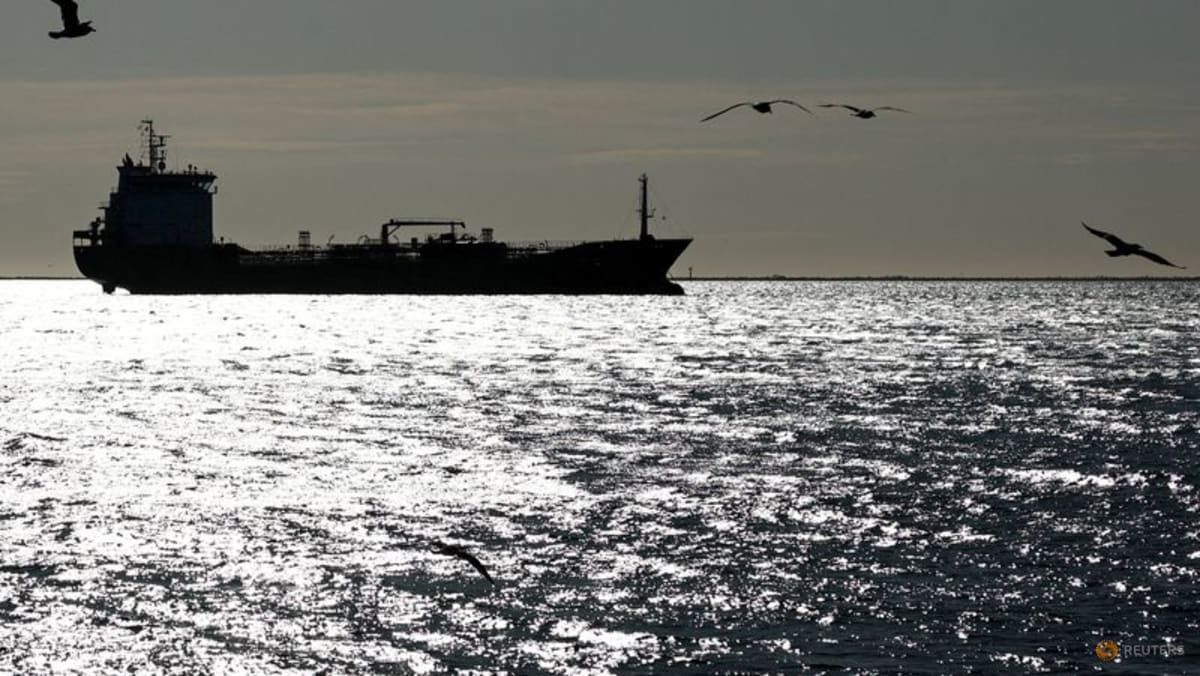
By March 23, the US was weighing military operations on Kharg Island—Iran's key oil export terminal handling 90% of its crude—while Iran warned of deploying mines in the Persian Gulf, a tactic reminiscent of the 1980s when such actions doubled shipping insurance rates and contributed to the 1987-88 oil price surges. This back-and-forth foreshadowed supply chain chokepoints that could have crippled global energy flows, much like the 2019 Abqaiq attacks on Saudi facilities, as analyzed in Ceasefire Crossroads Amid Current Wars in the World. Tensions peaked on March 26 with Iran's false claim of downing a US jet, a misinformation ploy that briefly roiled markets—gold jumped 2% intraday per Bangkok Post reports—echoing deceptive tactics in past conflicts, such as Iraq's 1990 incubator atrocity fabrications that influenced Gulf War mobilization.
This 2026 timeline, compressed into days, positioned the April ceasefire as a direct off-ramp from catastrophe. Recent events, including the April 4 rejection of Trump's Iran ultimatum and April 3's Iran-Oman Hormuz monitoring plan, underscore a pattern: episodic brinkmanship followed by pragmatic pauses. Historically, such de-escalations have stabilized emerging markets; post-2019 truce talks saw Brazilian real strengthen 3% against the USD as oil fears eased. Yet, the parallels warn of fragility—past cycles often reignited, dragging commodity exporters into recessions. These patterns are increasingly relevant amid current wars in the world, where cyber and maritime fronts add layers of complexity.
Current Geopolitical Dynamics and Market Shifts
The ceasefire, as detailed in Channel News Asia's coverage of "new Trump trades," has prompted investors to reassess risks in oil-tied emerging markets. Trump's statements—linking the truce to nuclear restraints and tariffs (Times of India, Clarin)—signal a conditional peace, influencing trade in Southeast Asia's manufacturing hubs and Africa's resource economies. Russia's Anadolu Agency framing of the US as suffering a "crushing defeat" could realign alliances, bolstering Iran's ties with BRICS nations and stabilizing partners like Venezuela.
Markets reacted swiftly: gold climbed to a three-week high (Bangkok Post), while oil futures hovered with high-confidence upside risks per Catalyst AI — Market Predictions. Investors are navigating "Iran shocks" by rotating into EM assets less exposed to Hormuz risks, such as Indonesian bonds yielding 7.2%. Trump's Newsmax pledge of close US-Iran cooperation on sanctions hints at eased restrictions, potentially unlocking $100 billion in frozen Iranian assets that could flow into African infrastructure via Belt and Road alternatives.
Social media amplifies this: On LinkedIn, fund managers note, "Ceasefire diverts FDI from China to Vietnam/India" (@EMInvestorPro), while Reddit's r/geopolitics threads debate Russia's "victory narrative" weakening USD dominance in LatAm trade. These shifts underscore how ceasefires amid current wars in the world are redefining investor strategies in real time.
Economic Implications for Emerging Markets
Emerging markets stand at the epicenter of this shift. Reduced energy volatility post-ceasefire could spur foreign direct investment (FDI) into Southeast Asia and Africa; Nigeria's oil sector, battered by prior spikes, might attract $5-10 billion in exploration capital if prices stabilize below $90/bbl. Latin America's commodity exporters like Brazil and Chile benefit from steady copper and soy flows, but Trump's tariff threats—aimed at curbing Iranian uranium enrichment (Clarin)—pose headwinds for USD-reliant economies, exacerbating currency fluctuations. The Brazilian real dipped 1.2% post-announcement amid safe-haven USD bids.
Original analysis reveals supply chain diversification: With Hormuz risks abated, firms are eyeing Vietnam and Kenya over China, potentially boosting ASEAN GDP growth by 0.5% (IMF projections adjusted for geopolitics). However, vulnerabilities persist—African nations like South Africa, with 20% oil import dependency, face inflation if nuclear talks falter. Monitoring the Global Risk Index provides essential data for navigating these economic implications.
Catalyst AI Market Prediction
The World Now Catalyst AI forecasts the following impacts on key assets, attributing movements to ceasefire-driven risk repricing:
- OIL: Predicted + (high confidence) — Direct supply threats from prior Hormuz tensions and Iranian infrastructure risks tighten balances. Historical precedent: 2019 Aramco attacks spiked oil +15% in a day. Key risk: Rapid de-escalation.
- SPX: Predicted - (medium-high confidence) — Risk-off from lingering geo tensions and sector spillovers (e.g., airlines/energy). Historical: 2022 Ukraine invasion dropped SPX 3% in week.
- USD: Predicted + (high confidence) — Safe-haven flows amid uncertainty. Historical: 2022 Ukraine DXY +2% in 48 hours.
- BTC: Predicted - (medium confidence) — Crypto liquidation cascades as high-beta risk asset. Historical: 2022 Ukraine BTC -10% initially.
- ETH: Predicted - (medium confidence) — Correlated BTC unwind via DeFi leverage.
- XRP/SOL: Predicted - (low confidence) — Altcoin beta to risk-off.
- TSM: Predicted - (low confidence) — Supply chain fears spill to semis.
Predictions powered by The World Now Catalyst Engine. Track real-time AI predictions for 28+ assets.
Original Analysis: Opportunities and Vulnerabilities
This ceasefire heralds innovative financial instruments, such as Iran-focused ETFs blending Tehran's assets with EM proxies, potentially drawing $2-5 billion in speculative flows akin to post-Cuba thaw funds. Yet, the interplay of geopolitics and finance reveals short-term gains—EM equity inflows up 1.5% week-on-week—but long-term perils from unresolved nuclear ambitions, as Rep. Sheri Biggs noted Iran's regime grasping Trump's resolve (Newsmax).
Critiquing Western narrative dominance, emerging markets must forge independent strategies: African sovereign wealth funds could hedge via gold (up post-ceasefire) and pivot to Iranian petrochemicals. Social media echoes this—X users like @AfricaEconHub argue, "Time for AU-Iran deals sans US veto"—highlighting multipolar agency. In the landscape of current wars in the world, such adaptations are crucial for long-term resilience.
Future Predictions: Navigating the Road Ahead
If nuclear talks collapse, emerging markets face oil spikes to $120/bbl and capital outflows mirroring 2019's 4% EM index drop. Conversely, sanction easing could foster Iran-Africa trade pacts, echoing post-2015 JCPOA surges in Indian-Iranian oil deals. Long-term, a multipolar order empowers EMs in negotiations, with BRICS+ leveraging the truce for de-dollarization—Russia's "defeat" spin accelerating yuan trade in LatAm.
AI models flag high-confidence oil upside if April 7's Hormuz tensions (low impact) reignite, but medium-confidence SPX dips if aviation knock-ons persist. What This Means: Investors should prioritize diversified portfolios, leveraging tools like Catalyst AI for predictive edges amid current wars in the world.
Conclusion: A Call for Strategic Adaptation
The US-Iran ceasefire is a double-edged sword for emerging markets: unlocking FDI and supply chain shifts while exposing currency and trade vulnerabilities to tariff-nuclear linkages. Key insights—historical escalation patterns, alliance realignments, and AI-predicted risk-offs—underscore the need for vigilance.
Investors and policymakers in Asia, Africa, and Latin America should monitor Qom leadership flux (April 7) and Chabahar sanctions talks for cues. In a resilient global order, strategic adaptation—diversifying beyond oil, hedging geo-risks—will turn ripples into waves of growth. As Trump envisions a "Golden Age," emerging economies hold the leverage to redefine it, particularly as ceasefires amid current wars in the world reshape alliances and markets.