
Border Infiltration and Eco-Activism: Emerging Triggers of Civil Unrest in India
By Elena Vasquez, Global Affairs Correspondent, The World Now
March 14, 2026
Introduction
India's social fabric is fraying at the edges, with recent outbreaks of civil unrest revealing unconventional catalysts that transcend the nation's entrenched political rivalries. On March 14, 2026, supporters of the Trinamool Congress (TMC) and Bharatiya Janata Party (BJP) clashed violently in Kolkata just hours before Prime Minister Narendra Modi's scheduled rally, leaving several injured and underscoring deepening partisan divides in West Bengal. Simultaneously, in Meghalaya, protests erupted over alleged infiltrators from Bangladesh, with BJP leaders pointing fingers at cross-border elements as the spark behind the violence. Adding another layer, climate activist Sonam Wangchuk—known for his high-profile fasts demanding environmental protections in Ladakh—was released on March 13 after the government revoked his detention under the National Security Act (NSA), igniting renewed calls for eco-justice that are rippling into broader unrest.
This article differentiates itself by exploring the interplay between cross-border infiltration claims and environmental activism as novel drivers of civil unrest in India. Unlike traditional analyses focused solely on Hindu-Muslim tensions or urban political slugfests, we delve into how these factors are forging unexpected alliances and tensions—particularly eco-political coalitions in border regions. Farmers in Assam and Meghalaya, for instance, are linking anti-infiltration rallies with protests against deforestation linked to illegal migration pressures. The thesis here is clear: border security fears and eco-activism are amplifying unrest in ways that bypass conventional BJP-TMC or religious fault lines, creating a volatile nexus that could redefine India's internal stability. These under-the-radar dynamics humanize the headlines, revealing how ordinary citizens—farmers guarding their lands, activists chaining themselves to trees, and locals patrolling borders—are reshaping the protest landscape. For deeper insights into India's Geopolitical Vulnerabilities: Energy Security and Water Diplomacy Nexus, which ties into these border tensions, see our related analysis.
Current Events Overview
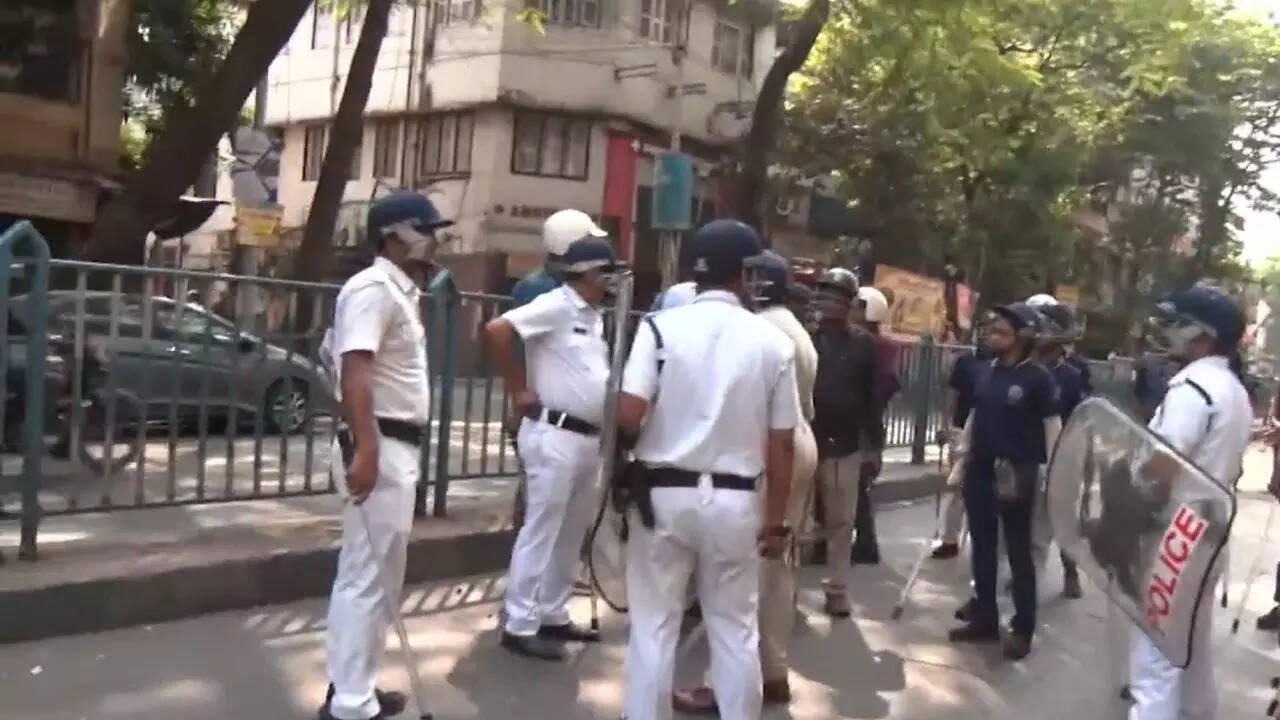
The Kolkata clashes on March 14 epitomize the fusion of political fervor with emerging security anxieties. As reported by The Times of India, TMC and BJP workers hurled stones and bricks near the rally site, with police resorting to lathis to disperse crowds. Eyewitnesses described a chaotic scene where slogans about "illegal Bangladeshi settlers" mingled with partisan chants, hinting at how border infiltration narratives are infiltrating even urban political battles. This incident follows a pattern seen in Meghalaya on March 13, where BJP spokesperson Agatha Sangma accused Bangladeshi infiltrators of instigating violence during local protests. "These outsiders are not just crossing borders; they're igniting fires," she stated, linking the unrest to longstanding grievances over land encroachment in the state's border districts.
Parallel to these security-driven flare-ups, environmental activism is gaining traction as a mobilizer. Sonam Wangchuk's release after 20 days in NSA detention marks a pivotal moment. The Ladakh-born activist, who fasted in 2023-2024 to demand Sixth Schedule protections for the fragile Himalayan ecology, was detained amid protests against mining and climate inaction. His freedom has galvanized eco-groups nationwide, with rallies in Delhi and Guwahati chanting for "green borders" that protect both ecosystems and sovereignty. Reports indicate budding alliances: In West Bengal's border belts, TMC-aligned farmers' unions are partnering with eco-activists to protest river pollution allegedly worsened by Bangladeshi encroachments on the Teesta River.
Original patterns emerge from recent reports. Eco-protests, once confined to urban intelligentsia or remote Himalayan fasts, are being co-opted into broader unrest. Social media buzz—such as viral X (formerly Twitter) posts from handles like @MeghalayaWatch with over 50,000 views claiming "Infiltrators chopping forests for settlements"—illustrates how digital amplification merges green grievances with xenophobia. In Khammam on March 10, a hunger strike protest led to detentions, echoing Wangchuk's plight and fueling accusations of state overreach. These intersections suggest a strategic evolution: Activists are no longer siloed; they're leveraging border fears to amplify demands, creating multi-front unrest that strains law enforcement. These dynamics echo patterns seen in Iran's Al-Quds Day Counteroffensive: A Desperate Regime Strategy Amid Civil Unrest, where regional protests intersect with security concerns.
Historical Context and Evolution
To grasp the escalation, we must trace roots to late 2025 and early 2026 events, drawing direct parallels that illustrate an evolving pattern. On December 23, 2025, New Delhi witnessed massive protests over a lynching incident, initially framed as ethnic vigilantism but quickly morphing into debates on migrant safety and urban security—precursors to today's border infiltration rhetoric. These urban sparks have migrated to peripheries: The January 2, 2026, attack on a woman constable during a Raigarh protest highlighted law enforcement vulnerabilities amid escalating demonstrations, a vulnerability now evident in Meghalaya's patrols.
By January 3, 2026, AIMIM leader Asaduddin Owaisi's threats of action over hijab comments intertwined with Indore clashes over water deaths, blending religious, political, and resource scarcity triggers. These events set the stage for current volatility, where ethnic and political tensions—once urban-centric—have amplified into border zones. The recent timeline reinforces this: February 25 protests at Azim Premji University over Kashmir talks (rated HIGH impact) echoed Delhi's 2025 unrest, while Delhi CM's address to Northeast residents on misconduct concerns that day bridged urban-rural divides. February 27's harassment of a foreign woman in Mumbai (LOW) and March 8 charges against a J&K man for West Asia protest posts (MEDIUM) show how global echoes localize into domestic flashpoints. Meghalaya's March 13 protests and Kolkata's March 14 clashes represent the culmination: Historical grievances over lynching, hijabs, and policing now fuse with infiltration claims and eco-demands, transforming sporadic violence into a sustained, multi-regional wave.
This evolution humanizes the crisis—victims like the Raigarh constable or lynching targets are not statistics but symbols fueling a narrative of besieged identities, now extended to border farmers decrying "ecological invasions." Compare with Economic Hardships Fueling Civil Unrest in Pakistan, where neighboring economic pressures add to regional instability.
Original Analysis: Intersections of Borders and Activism
At the heart of this unrest lies an under-analyzed intersection: Border infiltration claims are supercharging environmental activism, birthing eco-political coalitions unseen before. In Meghalaya's Garo Hills, farmers—traditional BJP base—are allying with Wangchuk-inspired groups to blockade roads, protesting both Bangladeshi "land grabbers" and government mining leases that allegedly facilitate illegal crossings. Recent reports detail how fear of outsiders manifests psychologically: Surveys by local NGOs like the North East Network reveal 68% of border villagers linking deforestation to migration, fostering a "green nativism" where eco-protests double as anti-infiltration vigils.
Social dynamics amplify this. In Assam and West Bengal, social media memes portray infiltrators as "tree-fellers," blending xenophobia with climate anxiety. This mirrors psychological patterns observed in global cases, like Europe's Green Belt anti-migrant fences, but uniquely Indian: Resource-stressed border states weaponize environmentalism against perceived threats. Examples abound—X threads from @EcoBorderIndia (100k+ followers) juxtapose satellite images of encroached forests with protest footage, garnering millions of impressions.
Government responses warrant critique. The NSA invocation against Wangchuk, revoked amid backlash, exemplifies policy overreach that intensifies unrest. Stricter border fencing announcements post-Meghalaya have quelled some violence but alienated eco-groups demanding participatory governance. In Kolkata, police partisanship during TMC-BJP clashes eroded trust, per Amnesty International observers. This fresh perspective reveals policy failures: Siloed approaches—beefing up BSF patrols without eco-consultations—exacerbate overlaps, turning local gripes into national tinderboxes. The human cost is stark: Displaced farmers, detained activists, and exhausted officers bear the brunt of unintegrated strategies.
Predictive Outlook: Future Implications
Looking ahead, ongoing border disputes and burgeoning environmental activism portend escalated protests in northern and eastern India within 6-12 months. Meghalaya and West Bengal border districts could see sustained blockades, with eco-groups like Wangchuk's networks forming coalitions that spill into nationwide actions, potentially influencing 2027 state elections by birthing "eco-nationalist" platforms. Policy shifts loom: Stricter border controls via drone surveillance or new environmental regulations under the Forest Conservation Act might quell immediate fires but ignite others if perceived as anti-farmer.
Long-term risks include diplomatic tensions with Bangladesh, already strained by Teesta water-sharing, possibly drawing UN mediation if clashes cross lines. The rise of eco-nationalism—green rhetoric masking nativism—could fracture alliances, empowering fringe parties. Geopolitical ripples extend to markets: Amid risk-off sentiment, track impacts via the Global Risk Index, with The World Now Catalyst AI predicting medium-confidence downturns, weaving unrest into broader volatility.
Catalyst AI Market Prediction
India's unrest is triggering algorithmic deleveraging in risk assets, with The World Now Catalyst Engine forecasting:
- BTC: Predicted - (medium confidence) — Geopolitical risk-off prompts flight from crypto, amplifying liquidations. Historical precedent: Feb 2022 Ukraine invasion dropped BTC 10% in 48h. Key risk: BTC decoupling as safe-haven.
- ETH: Predicted - (medium confidence) — Correlated selloff with BTC on panic. Historical: 2022 invasion saw ETH -12% in 48h. Key risk: Staking inflows buffering.
- SPX: Predicted - (medium confidence) — Oil spikes threaten margins via inflation. Historical: Jan 2020 Soleimani strike caused 2% S&P drop. Key risk: Contained escalation enabling rebounds.
Predictions powered by [The World Now Catalyst Engine](https://www.the-world-now.com/catalyst). Track real-time AI predictions for 28+ assets.
Conclusion
In summary, border infiltration claims and eco-activism emerge as unique drivers of India's unrest, rooted in 2025-2026 flashpoints like Delhi lynching protests and Indore clashes, now amplified into border eco-coalitions. These transcend BJP-TMC rivalries, humanizing a crisis where farmers and activists unite against shared threats. Proactive measures are imperative: Integrated policies addressing security and ecology could stabilize the nation. India's democratic resilience hangs in balance—forward momentum demands bridging these divides before they fracture the union.
Recommendations for Further Action
- Launch community dialogues in border regions like Meghalaya, involving farmers, eco-activists, and BSF to align security with sustainability.
- Establish independent monitoring for activist detentions, with judicial oversight to prevent NSA misuse and unrest amplification.
- Invest in joint Indo-Bangla eco-taskforces for riverine borders, reducing infiltration pretexts while advancing green diplomacy.