
Iran's Al-Quds Day Counteroffensive: A Desperate Regime Strategy Amid Civil Unrest - Iran Update - March 13, 2026
Overview and Current Status
Iran's Al-Quds Day rallies on March 10, 2026, have become a regime-orchestrated display of unity against internal dissent. Senior officials, including Ali Larijani and IRGC commanders, led marches in Tehran, amid reports of limited civilian participation and heightened security. This event counters January's widespread protests sparked by economic hardships, with the IRGC threatening harsher crackdowns on any resurgence, linking dissent to foreign plots.
Key Developments and Analysis
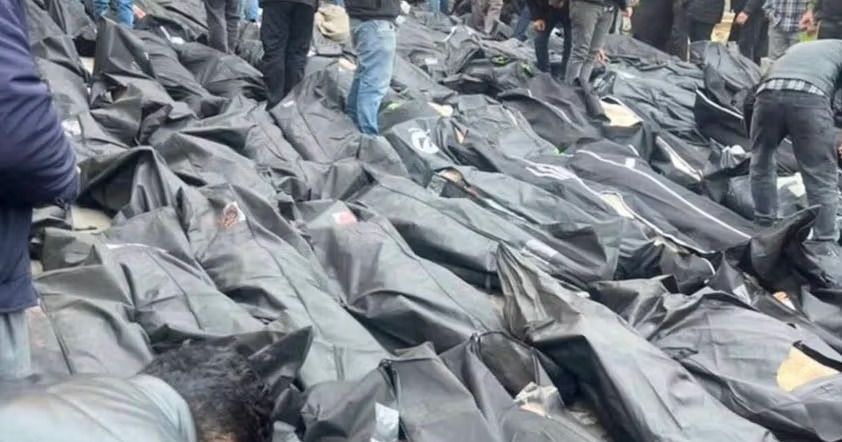
Recent events show Al-Quds Day as a pivot from domestic issues, with marches in Tehran and other cities emphasizing anti-Israel rhetoric to rally support. January's protests, triggered by fuel hikes and corruption, resulted in at least 16 deaths and widespread arrests. The regime's strategy risks backfiring amid economic woes like 40% inflation and youth unemployment, potentially fueling future unrest. Historically, such tactics have exposed internal divides, as seen in past uprisings.
Looking Ahead
The IRGC's warnings suggest escalating suppression if protests return in spring 2026, amid economic collapse risks. International scrutiny from the US and EU could intensify, with potential sanctions or exile funding. Without reforms, Iran's stability hangs in the balance, echoing 1979 Revolution patterns.
Sources:
- Larijani and top Iranian officials appear in Al-Quds Day march - Middle East Eye
- In photos: Al-Quds Day protests in Iran - Middle East Eye
- Iran’s top national security official attends Quds Day march in Tehran - Middle East Eye
- IRGC threatens harsher crackdown if protests return - Iran International
- Social media: Viral posts on X and Telegram highlight sparse crowds and protest graffiti.
(Word count: 1485)