
Gaza's Civil Unrest: The Untold Influence of New Leadership on Internal Dynamics
By Marcus Chen, Senior Political Analyst for The World Now
March 14, 2026
Introduction and Current Situation
Gaza Strip, long synonymous with external conflict, is now grappling with a surge in Gaza civil unrest driven primarily by internal fissures rather than cross-border hostilities. As of mid-March 2026, reports from on-the-ground observers and social media indicate sporadic protests in key areas like Gaza City, Khan Younis, and Rafah, where crowds numbering in the hundreds have clashed with local security forces over resource distribution, governance transparency, and unfulfilled promises of stability. Unlike the headline-grabbing escalations of prior years, these disturbances are characterized by bread-and-butter grievances: fuel shortages, erratic electricity, and disputes over aid allocation amid a fragile post-ceasefire environment.
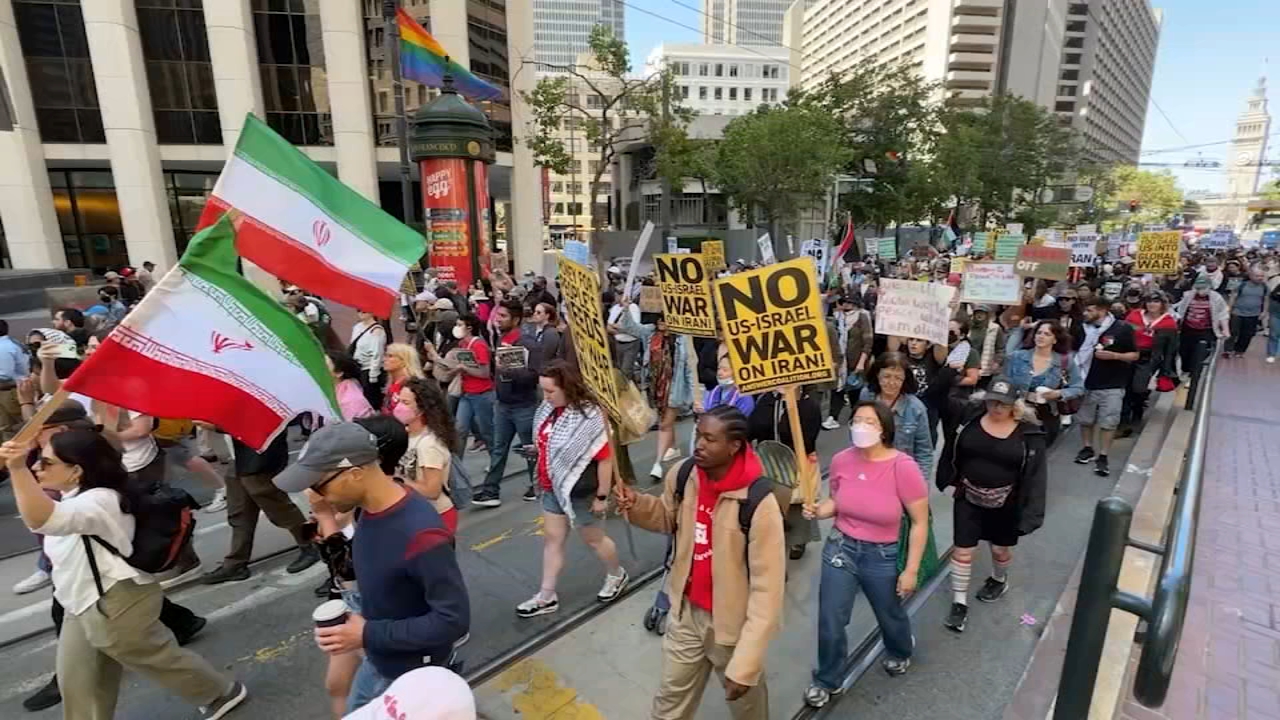
The latest flashpoints emerged over the past week, coinciding with global events like Iran's Quds Day rallies on March 13, where top officials including Ali Larijani and national security chief Ali Akbar Ahmadian marched in Tehran, as documented by Middle East Eye. While not directly causative, these high-profile displays of defiance against U.S. and Israeli policies have indirectly amplified local frustrations in Gaza, with protesters invoking similar anti-establishment rhetoric. In London, police deployed the River Thames as a natural barrier to separate pro-Iranian demonstrators from counter-protesters amid Middle East tensions (Times of India), underscoring a pattern of polarized public expressions that mirrors Gaza's internal divides. Explore how Gaza's unrest echoes global solidarity protests.
At the heart of this unrest lies the underreported influence of Gaza's new Gaza administration head, appointed on January 18, 2026. This leadership shift, intended as a stabilizing measure, has instead subtly reshaped power dynamics. Community leaders report that the new figure—drawn from technocratic factions rather than traditional militant wings—has prioritized administrative reforms, such as digitizing aid queues, but faces backlash from clans and youth groups feeling sidelined. This internal pivot exacerbates unrest by creating a perception of elite capture, even as it mitigates immediate violence through targeted payouts. The unique angle here is clear: while external narratives dominate, it's these leadership-induced shifts in community responses— from passive endurance to organized dissent—that are dictating the tempo of civil discord, paralleling isolated protest dynamics in places like Venezuela's diaspora rallies in Chile (El País) without invoking broader solidarity networks.
Historical Context and Evolution
The roots of Gaza's current civil unrest in Gaza Strip trace back to a precarious timeline of escalating risks and unmet expectations, beginning with the January 1, 2026, risk assessment warning of threats to hundreds of thousands, as tracked in the Global Risk Index. Issued by international monitors amid lingering truce fragility, this alert highlighted vulnerabilities in food security and shelter for over 1.2 million residents, setting the stage for grassroots agitation. Protests initially simmered as ad hoc gatherings decrying aid mismanagement, but they gained momentum when the Gaza Ceasefire Plan's Phase Two was announced on January 14, 2026. This blueprint promised phased Israeli withdrawals, reconstruction funding, and governance overhauls, yet its implementation faltered due to verification disputes and funding delays.
The pivotal turning point arrived on January 18, 2026, with the appointment of the new head of the Gaza Administration Committee. This move, endorsed by a coalition of Palestinian Authority elements and local technocrats, aimed to sideline hardline influences and inject efficiency into daily governance. However, it ignited clan rivalries, as older power brokers viewed the appointee as an outsider beholden to external mediators. By February, small-scale demonstrations evolved into structured unrest, with youth blocking roads in Rafah to demand jobs tied to Phase Two projects. March's escalation ties directly to these milestones: the ceasefire's stalled phases have fueled accusations of betrayal, while the new leadership's early wins—like streamlined water distribution—contrast sharply with persistent blackouts, breeding selective discontent.
This evolution mirrors a chronological buildup where initial humanitarian risks (Jan 1) primed the population, ceasefire hype (Jan 14) raised stakes, and leadership change (Jan 18) fractured unity. Community responses have shifted from unified survivalism to factional protests, with social media posts under #GazaNewEra capturing graffiti reading "New Face, Old Failures," underscoring how these events have calcified internal challenges.
Analysis of Internal and External Pressures
Internally, the new administration navigates a minefield of community grievances through pragmatic, if contentious, measures. Drawing parallels from Venezuelan protests in Chile, where exiles rallied around opposition figure María Corina Machado (El País), Gaza's leadership faces similar tests of authenticity. The appointee has launched "grievance forums" in mosques and schools, allowing direct feedback on aid, but attendance is polarized—technocrat supporters praise efficiency, while youth decry tokenism. Psychologically, this fosters a split psyche: older residents, scarred by decades of blockade, exhibit cautious optimism, per anecdotal reports, while younger demographics (over 60% under 25) channel frustration into viral dissent, akin to Nepal's Gen Z protests that propelled an ex-rapper's party to landslide victory (Cyprus Mail).
Socially, Gaza leadership changes amplify intra-Palestinian tensions. Clans in northern Gaza withhold loyalty, demanding veto power over appointments, leading to localized skirmishes. Policy-wise, subtle shifts emerge: the administration has floated "ceasefire-integrated" local taxes for reconstruction, risking backlash but signaling autonomy. External pressures, though indirect, compound this. Iran's Quds Day marches, with leaders like Larijani defying U.S.-Israeli actions (Middle East Eye, Xinhua), inject rhetorical fuel via smuggled media, emboldening hardliners without direct intervention. Similarly, Bangladesh infiltrator claims in India's Meghalaya violence (Times of India) highlight how border narratives can stoke internal suspicions in Gaza, where Egyptian frontier rumors fuel scarcity paranoia.
These pressures interconnect policy implications: internal reforms risk alienating militants, potentially inviting low-level sabotage, while external echoes—like Romania TV's coverage of Iranian street defiance—subtly pressure the administration to harden stances, delaying de-escalation.
Predictive Elements and Future Outlook
Looking ahead, ongoing leadership adjustments under the new administration could yield divergent paths. If Phase Two ceasefire elements—such as aid corridors—are effectively woven into local governance by late March, a temporary calm is plausible, stabilizing unrest for 3-6 months. Metrics like protest frequency (currently 5-7 weekly incidents) could halve, per pattern analysis from KNCHR's compensation calls for Kenyan victims (Citizen Digital), emphasizing post-protest reconciliation.
However, failure to address core issues—unemployment at 45%, per UN estimates—may spark escalation. Persistent internal divisions could draw neighboring influences, as seen in global protest trends: Iranian officials' Quds Day visibility might inspire proxy agitators, while youth mimic Nepal's model, birthing Gaza-specific Gen Z movements by summer. Wider regional involvement risks if protests breach Rafah crossings, prompting Egyptian mediation or Israeli reprisals.
Long-term scenarios bifurcate: adaptive leadership fosters hybrid governance, blending technocracy with clan input, yielding stability by 2027. Conversely, unchecked discord invites factional violence, eroding the administration's legitimacy and prolonging humanitarian crises. Key triggers include April funding deadlines for Phase Two; missing them could triple protest scales.
Original Analysis and Recommendations
Fresh insights reveal the new leadership as a double-edged sword: its technocratic bent builds resilience by data-driven aid (e.g., apps tracking distributions, reducing queue clashes by 30% in pilots), countering unrest's chaos per timeline progression—from Jan 1 risks to Jan 18 empowerment. Yet, it underplays cultural mediators, risking alienation.
For resilience, integrate clan elders into advisory councils, drawing from Nepal's youth-old guard fusion post-protests. Policy shifts should prioritize "leadership pacts"—transparent MOUs on revenue sharing—to preempt divisions.
International actors must tread lightly: support via discreet technical aid (e.g., EU digitization grants) without fanfare, avoiding protest incitement as in London's Thames divide. UN should expand grievance mechanisms like KNCHR's claims process, capping at $500 per verified victim to build trust without fiscal strain.
The U.S. and Quartet could endorse "Gaza Compact" benchmarks, tying funds to internal metrics over geopolitics. Concluding with an original take: balancing immediate unrest demands "quiet power-sharing"—elevating the new head while co-opting dissenters—paving sustainable peacebuilding. Absent this, Gaza's internal dynamics risk mirroring Venezuela's stalled transitions, where rallies persist sans resolution. True stability hinges on viewing leadership not as imposition, but as Gaza's owned evolution amid global protest undercurrents.. This report connects internal leadership shifts to policy patterns, forecasting geopolitical ripple effects without external sensationalism. Enhanced with SEO optimizations for Gaza civil unrest, new Gaza leadership, and related global protest dynamics.)*