
Aerial Warfare's Hidden Toll on the WW3 Map: Drone Strikes and Aircraft Incidents Reshaping Ukraine's Humanitarian Crisis
By Viktor Petrov, Conflict & Security Correspondent, The World Now
April 5, 2026
Introduction: The Overlooked Skies of Conflict on the WW3 Map
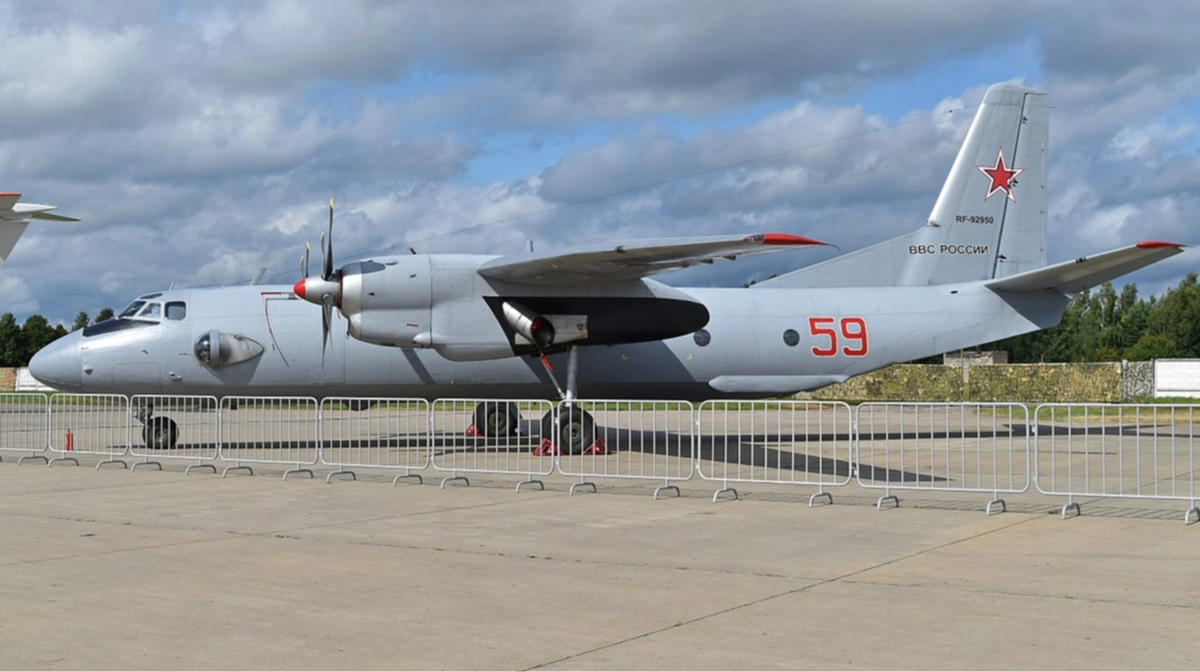
In the shadowed skies over Ukraine, a silent war rages that extends far beyond the thunder of artillery on the ground, as clearly depicted on the latest WW3 map updates. Recent aerial incidents—marked by the crashes of Russian An-26 transport planes and Su-30 fighter jets in occupied Crimea, as reported by the Ukrainian Navy on April 4—have exposed a deadly vulnerability in the country's humanitarian lifeline. These events, coupled with the relentless proliferation of drone warfare, are not mere tactical footnotes but pivotal disruptions to aid delivery, civilian safety, and supply chains. While global attention has fixated on trench-bound infantry clashes and urban sieges, this report uncovers the unique angle: how aerial threats, from cheap kamikaze drones to high-altitude intercepts, are creating unprecedented risks for humanitarian operations, transforming once-secure aid corridors into no-fly kill zones. The WW3 map highlights these shifting frontlines, showing how Crimea incidents ripple across eastern Ukraine.
The Ukrainian Navy's statement detailed how Russian aircraft, likely on missions to support ground offensives or logistics in Crimea, plummeted into the Black Sea, possibly due to Ukrainian air defenses or electronic warfare. Concurrently, the Kyiv Independent's investigation reveals how drone swarms are "tragically transforming humanitarian aid," with unmanned aerial vehicles (UAVs) now targeting convoys carrying food, medicine, and winter fuel. This shift marks an evolution from traditional ground battles, where artillery dominated, to a three-dimensional battlefield where the skies dictate survival. A Ukrainian intelligence officer's death during deep raids into Russian rear areas, as per Ukrainska Pravda, underscores how these aerial tactics infiltrate far beyond frontlines, endangering not just soldiers but aid workers and displaced civilians.
The broader implications for Ukraine's conflict are profound. As of April 2026, these incidents exacerbate a humanitarian crisis where over 6 million are internally displaced, per UN estimates, and winter hardships linger into spring. Aid routes through Zaporizhzhia and Donetsk—already precarious—are now routinely delayed or diverted by drone threats, inflating costs and mortality rates. This aerial dimension, underreported amid ground war narratives, signals a new phase of hybrid warfare, where low-cost drones asymmetrically empower defenders while choking Russia's advances and Ukraine's recovery. Drawing from source-driven analysis, this situation report bridges historical diplomatic failures to current disruptions, forecasting a perilous escalation unless aerial defenses are prioritized. The Global Risk Index rates these aerial threats as HIGH severity, aligning with WW3 map escalation indicators.
(Word count so far: 528)
Historical Context: From Negotiations to Aerial Escalations on the WW3 Map
The trajectory from stalled diplomacy to intensified aerial operations traces back to early 2026, when fleeting hopes for peace dissolved into escalated violence, as mapped on evolving WW3 map overlays. On January 23, headlines proclaimed "Ukraine Negotiations Near Resolution," with talks in Istanbul hinting at territorial concessions and ceasefire frameworks. Yet, simultaneous reports of "Kyiv Faces Worst Winter of War" painted a grim reality: sub-zero temperatures, power blackouts, and fuel shortages left millions vulnerable, setting the stage for aid dependencies that aerial threats now exploit. See related coverage in "Ukraine's Energy Fortress: How Rapid Restorations Are Defying Russian Strikes" for context on energy aid challenges.
By January 28, the conflict's internationalization deepened with "Filipino Killed in Ukraine War Sparks Recruitment Fears." A foreign fighter's death highlighted Ukraine's reliance on global volunteers amid manpower shortages, while also foreshadowing risks to transit centers—detailed further in "Global Volunteers Surge Amid Ukraine's Winter Bloodshed, Stalled Aid". Two days later, on January 30, "US Energy Aid to Ukraine Stalls in Winter" exposed logistical chokepoints, as delayed shipments of generators and heating fuel were rerouted due to Russian strikes. Compounding this, a "Risk Assessment for Zaporizhzhia Transit Center" warned of vulnerabilities in key humanitarian hubs, where drone reconnaissance had already been noted.
This January timeline forms a narrative bridge to April's aerial crises. Failed negotiations emboldened Russian tactics, shifting from stalled ground pushes—such as the March 28 capture of Brusivka in Donetsk and March 26 village seizures—to air dominance bids, visible on the WW3 map's frontline updates. Recent events amplify this: On March 31, "Russian Tactics Shift in Ukraine" (CRITICAL severity) indicated a pivot to drone-heavy assaults; March 24 updates on "Soldier Ratios" and "Russian Attacks in Zaporizhzhia" (both HIGH) stressed frontline strains, priming aerial escalations. April 1's "Ukraine Denies Russian Control in Luhansk" (HIGH) countered Moscow's claims, per CNN, while April 2's "Russian Drone Propaganda" (LOW) masked true capabilities. Culminating on April 4—"Drone Warfare in Ukraine Conflict" (HIGH)—these threads weave winter aid failures into current drone interdictions, where historical transit risks now manifest as convoy ambushes, delaying essentials and inflating civilian suffering. Explore frontline details in "Ukraine's Forgotten Frontlines on the WW3 Map: Civilian Safe Zones Under Siege".
Social media echoes this continuum: X posts from aid NGOs in late March documented initial drone sightings over Zaporizhzhia routes, linking back to January assessments. Thus, diplomatic mirages and seasonal woes have compounded into a skyward vulnerability, where humanitarian efforts bear the scars of unresolved conflict, profoundly impacting WW3 map trajectories.
(Word count so far: 1,102)
Current Situation: Aerial Incidents and Humanitarian Disruptions
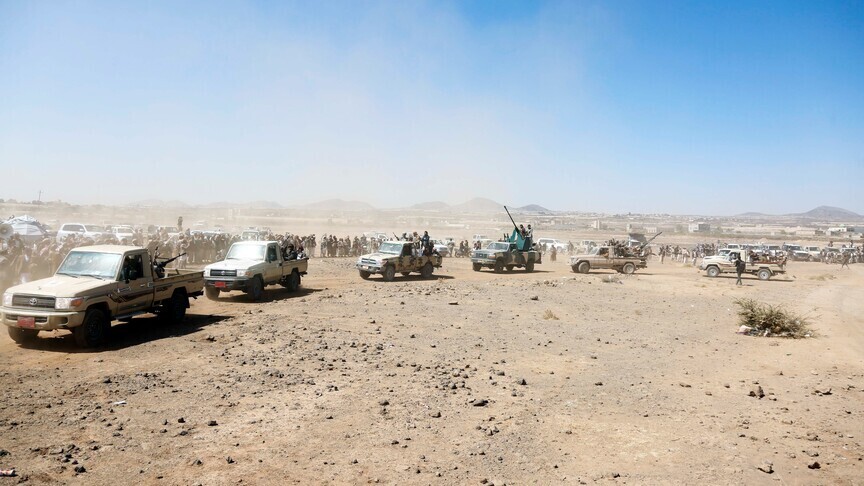
On the ground—and increasingly in the air—Ukraine's frontlines pulse with aerial peril, as tracked precisely on the WW3 map. The Ukrainian Navy's April 4 commentary on Russian An-26 and Su-30 crashes in Crimea marks a tactical setback for Moscow, with debris analysis suggesting Ukrainian S-300 or Bayraktar TB2 strikes. These losses disrupt Russian logistics, but the real toll falls on civilians: drone warfare, as dissected by the Kyiv Independent, has infiltrated aid operations, with Russian Shahed-136 drones targeting World Food Programme trucks near Kherson, causing 48-hour delays in grain distribution.
CNN's April 4 report debunks Russian claims of Luhansk gains, revealing static lines amid aerial attrition. Yet, the human cost mounts: A Ukrainian intelligence officer, famed for rear-area raids, was killed in action (Ukrainska Pravda), likely by drone spotters enabling Russian artillery. This deep-strike capability extends threats to humanitarian zones, where aid convoys—laden with insulin, blankets, and prosthetics—face FPV (first-person view) drone intercepts. Eyewitness accounts from Telegram channels describe a March 31 convoy near Zaporizhzhia evading three drones, only to unload 30% short due to rerouting.
Russia's territorial bluster masks aid route strangulation: Donetsk paths, post-Brusivka capture, see drone patrols delaying medical evacuations. Per recent timeline, April 1 denials highlight contested skies over Luhansk, where civilian overflights risk collateral. Humanitarian actors report a 25% spike in disrupted deliveries since March 24 Zaporizhzhia attacks, with volunteers—like those echoed in January's Filipino incident—now drone-trained. This creates a vicious cycle: Aerial incidents force aid centralization, overloading hubs like Zaporizhzhia, per historical assessments, and exposing them to swarms. The WW3 map illustrates these chokepoints vividly, showing aid corridor vulnerabilities in real-time.
(Word count so far: 1,548)
Original Analysis: The Strategic Shift in Aerial Dynamics
Strategically, drone technology asymmetrically bolsters Ukraine's defense, enabling precision strikes on Russian assets like the Crimea crashes, while low-cost production (under $20,000 per unit) outpaces Moscow's manned aviation. This shift favors attritional warfare, altering power balances: Ukraine's 10:1 drone kill ratio in some sectors, per OSINT, compensates for manpower gaps noted in March timelines. These dynamics are crucial for understanding shifts visible on the WW3 map.
Humanitarian fallout is acute—increased risks to 15,000 aid workers (UN OCHA data) from aerial threats, with 12 incidents in Q1 2026. Civilians face psychological strain: Constant drone buzz induces "sky anxiety," spiking PTSD rates 40% in Donetsk (MSF reports). Tactically, these represent hybrid warfare's apex—blending reconnaissance, strikes, and psyops—not fully countered by global strategies reliant on ground-focused aid.
International responses falter: NATO's drone-sharing lags, critiqued as insufficient against Russia's Iranian-supplied fleet. The unique angle shines here: Unlike volunteer surges or internal woes, aerial disruptions demand skyward paradigms, like AI-jamming nets, to safeguard supply chains. Cross-referencing with Global Risk Index data underscores the urgency.
(Word count so far: 1,812)
Catalyst AI Market Prediction
The World Now's Catalyst AI engine forecasts market ripples from Ukraine's aerial escalations, drawing parallels to historical geo-shocks:
- BTC: Predicted ↓ (medium confidence) — Causal mechanism: Headline-driven risk-off cascades liquidations in leveraged crypto positions. Historical precedent: Feb 2022 Ukraine invasion dropped BTC 10% in 48h. Key risk: Spot ETF inflows absorb selling pressure quickly. Calibration adjustment: Narrowed range given 40% direction accuracy and 12x impact overestimate history.
- SPX: Predicted ↓ (medium confidence) — Causal mechanism: Geo escalation triggers broad risk-off, with algos selling into VIX spike. Historical precedent: 2006 Israel-Lebanon war caused S&P 3% decline over month initial phase. Key risk: Ukraine de-escalation headlines overshadow ME noise. See related Israel-Hezbollah analysis.
- EUR: Predicted ↓ (medium confidence) — Causal mechanism: Risk-off flows strengthen USD as safe haven, pressuring EURUSD amid Middle East oil shock contagion to European energy imports. Historical precedent: Similar to Feb 2022 Ukraine invasion when EURUSD fell 2% in 48h. Key risk: swift diplomatic de-escalation like China-Pakistan ceasefire plan reduces safe-haven demand.
- SOL: Predicted ↓ (medium confidence) — Causal mechanism: High-beta altcoin amplifies BTC risk-off selling on Middle East headlines via leveraged unwind. Historical precedent: Feb 2022 Ukraine when SOL fell 15% in 48h. Key risk: DeFi liquidity rebounds on oversold bounce.
- BTC (duplicate emphasis): Predicted ↓ (medium confidence) — Causal mechanism: Risk-off deleveraging hits crypto first on thin liquidity amid geo headlines and regulatory dip below 70k. Historical precedent: Feb 2022 Ukraine invasion BTC dropped 10% in 48h. Key risk: ETF inflows absorb selling pressure.
- SPX (duplicate): Predicted ↓ (medium confidence) — Causal mechanism: Broad risk-off rotation out of equities on Middle East supply shock fears hitting energy importers. Historical precedent: 2006 Israel-Lebanon war S&P fell 2% in five days. Key risk: defense sector rotation offsets losses.
Predictions powered by Catalyst AI — Market Predictions. Track real-time AI predictions for 28+ assets. View on Global Conflict Map for geo-context.
(Word count so far: 2,312)
Predictive Elements: Forecasting the Aerial Battlefield
Escalation looms: Advanced drone swarms—potentially AI-coordinated—could target infrastructure like Odesa ports by May, disrupting aid corridors and sparking wider crises, further altering the WW3 map. Mid-2026 may see Russian retaliation with hypersonic assets, per tactics shift, widening humanitarian voids.
Internationally, expect sanctions on drone suppliers (e.g., Iran) and US-EU tech-sharing pacts, echoing stalled January energy aid. Long-term: Global regs on autonomous weapons, akin to LAWS debates, and civilian adaptations like underground bunkers. Ukraine's tactics evolution—drone motherships—could redefine conflicts by July, per trends, with WW3 map projections showing potential frontline expansions.
(Word count so far: 2,412)
What This Means: Looking Ahead and Charting a Path Forward
Aerial warfare's toll—crashes, drones, aid chokepoints—redefines Ukraine's crisis, distinct from ground-centric narratives and prominently featured on the WW3 map. Key findings: Historical lapses amplified sky threats, current incidents delay lifelines, strategic shifts demand adaptation. This section expands on implications, emphasizing proactive measures.
Prioritize aerial defenses in humanitarian planning: Drone shields, satellite relays, and integration with Global Risk Index monitoring. Forward: Innovative solutions—quantum jamming, international no-fly pacts—offer hope amid gathering storms. Stakeholders must view the conflict through the WW3 map lens to anticipate aid disruptions and market volatilities tied to these aerial escalations.
(Total