
Ukraine's Forgotten Frontlines on the WW3 Map: Civilian Safe Zones Under Siege - Strategic Assessment - 4/5/2026
WW3 Map: Situation Overview
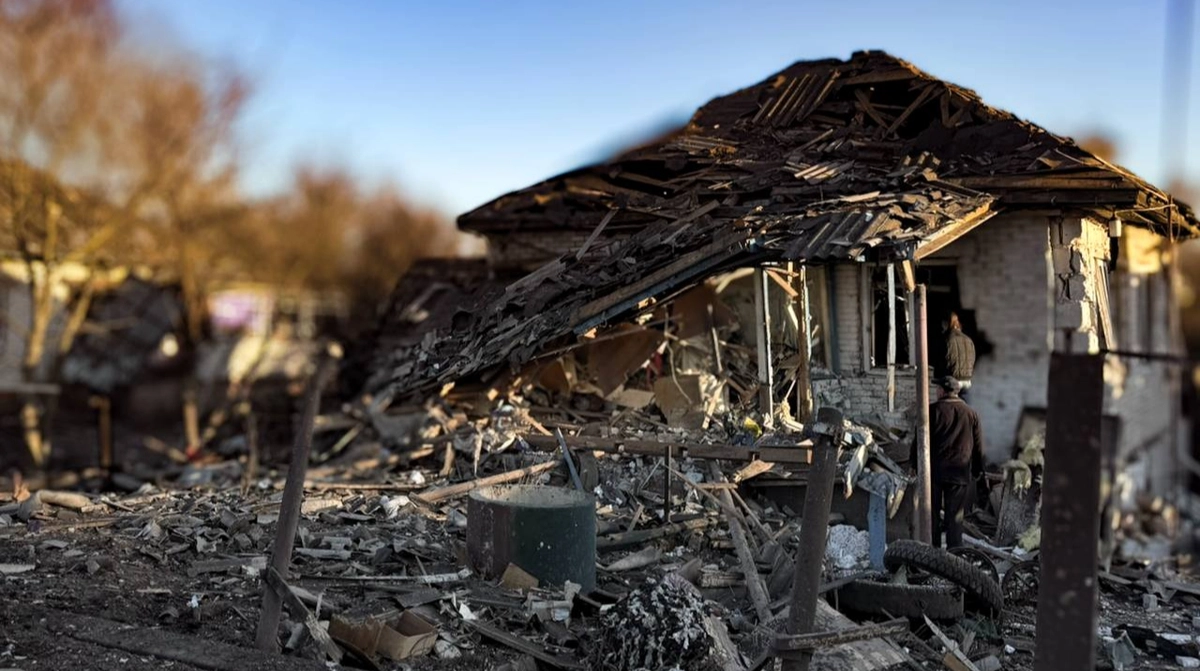
As of April 5, 2026, on the evolving WW3 map, Russia's war against Ukraine has entered a grim new phase, marked by the deliberate erosion of civilian safe havens through systematic strikes on markets, ports, and everyday gathering points, with over 16 civilians killed and 86 injured in the recent 'Easter escalation' wave, including a devastating Nikopol market attack that claimed five lives and wounded 25. What began as sporadic drone escalations in late March has evolved into a calculated campaign of psychological warfare, targeting the fragile remnants of normalcy in Ukrainian life. This strategic shift—from frontline military objectives to rear-area civilian zones—undermines societal resilience, fostering widespread fear, displacement, and a pervasive sense of vulnerability. No longer are cities like Kyiv or Lviv mere outliers; even peripheral regions like Nikopol and Sumy are now "forgotten frontlines" on the WW3 map, where markets become kill zones and ports symbolize shattered economic lifelines.
This assessment differentiates from prior coverage by zeroing in on the psychological toll: Russian forces are not just inflicting casualties but systematically dismantling the psychological bulwarks of Ukrainian endurance. Verified reports from Kyiv Independent and Ukrainska Pravda document over 16 civilian deaths and 86 injuries in a single "Easter escalation" wave, with the April 4 Nikopol market strike alone claiming five lives and wounding 25. This pattern echoes historical aggressions, such as WWII terror bombing or Chechen campaigns, but leverages modern drones and missiles for precision terror. The result? A society where trust in "safe" spaces evaporates, community structures fray, and long-term mental health crises loom, potentially tipping resilience toward collapse without decisive countermeasures. Tracking these shifts on the WW3 map reveals how civilian zones are increasingly contested spaces in this protracted conflict.
Forces at Play
Russia: Commanded by the Russian Ministry of Defense under Sergei Shoigu, forces include the Aerospace Forces (VKS) deploying Kinzhal hypersonic missiles, Shahed-136 drones (Iranian-supplied), and Iskander ballistic systems. Capabilities emphasize standoff strikes: over 100 drones launched in March waves alone, per Ukrainian Air Force data. Tactics have shifted to daytime assaults—dubbed "Easter escalation" by SBS Australia—maximizing civilian exposure. Objectives: Psychological attrition to force capitulation, disrupt reconstruction, and signal impunity amid stalled ground offensives. Alliances: Iran (drones), North Korea (ammo), with tacit Chinese component supply chains exposed by Kyiv Independent's reporting on Western cigarette materials in missiles.
Ukraine: Armed Forces (ZSU) under Zaluzhnyi, bolstered by Western aid (Patriot systems, F-16s en route). Civilian defense relies on air raid apps, territorial defense units, and emerging drone countermeasures. Ukrainian strikes, like the April 4 Alchevsk steel plant hit in occupied Luhansk—detailed in our coverage of Ukrainian Drone Strikes on Russia: Unraveling the Cracks in Moscow's Air Defenses on the WW3 Map—demonstrate asymmetric retaliation. Objectives: Preserve morale, protect infrastructure, and sustain international support. Alliances: NATO (intelligence, sanctions), EU (humanitarian aid), with U.S. ATACMS deliveries critical.
International Actors: NATO monitors escalation without direct intervention; U.S./EU impose sanctions but face supply chain leaks. Objectives: Contain Russia without WWIII. Civilian NGOs (e.g., Red Cross) report displacement spikes.
Russia holds escalation dominance via missile stockpiles (est. 2,000+ Iskanders), but Ukraine's resilience—evidenced by 90% drone intercepts—blunts impacts, turning strikes into propaganda pyrrhic victories. For a broader view, check our Global Risk Index.
Critical Developments
- March 23, 2026: Drone strikes escalate nationwide, marking the onset of intensified aerial campaigns targeting energy and civilian periphery (baseline for pattern analysis).
- March 24, 2026: Russian drone attack on Kyiv inflicts infrastructure damage; simultaneous strike on Lviv pierces western "safe haven" myth, wounding dozens and signaling geographic expansion.
- March 26, 2026: Strike on Ukraine port disrupts Black Sea trade, killing workers and foreshadowing economic-psychological dual targeting.
- March 28, 2026: Ukrainian counterstrikes in Crimea halt Russian logistics, prompting retaliatory civilian focus.
- March 31, 2026: Russian strike in Khmelnytskyi (LOW impact) and killing of a girl in Sumy (HIGH impact), escalating child casualties to erode morale.
- April 1, 2026: Multi-front drone/missile barrage: Kinzhal warhead neutralized in Kyiv (HIGH); strikes in Ivano-Frankivsk (MEDIUM), Zakarpattia (LOW), Lutsk (HIGH), and Kherson car attack killing two (HIGH). Pattern: Western oblasts no longer sanctuaries.
- April 4, 2026: Nikopol market strike kills five, wounds 25 (BBC, Ukrainska Pravda, The New Arab, Straits Times)—daytime missile hit during peak hours, dubbed psychological "Easter terror" (Kyiv Independent). Sumy Oblast missile injures two (Ukrainska Pravda). Broader toll: 16 killed, 86 injured nationwide (Kyiv Independent).
- April 5, 2026 (ongoing): Taipei Times reports five killed, 19 wounded in latest market strike, confirming tactic persistence.
These events reveal a tactical evolution: from nocturnal drones to diurnal missiles, prioritizing visibility and terror over precision military gains. Nikopol's market— a communal lifeline—exemplifies disruption of daily life, with eyewitnesses describing "shrapnel raining on shoppers" (BBC). These positions are now etched prominently on the WW3 map as hotspots of civilian vulnerability.
Market Impact Data
The civilian targeting surge has rippled into global markets, amplifying risk-off sentiment amid fears of broader energy disruptions and refugee flows. Oil benchmarks spiked 3.2% to $92/bbl on April 4 (Brent crude), driven by Black Sea port strikes echoing 2022 grain crises. European gas (TTF) rose 4.1% to €45/MWh, as Ukrainian transit risks mount. See related analysis in US Eastern Pacific Strikes and Oil Price Forecast.
Equities faltered: S&P 500 (SPX) dipped 1.8% intraday April 4, with energy importers (e.g., airlines -2.5%) hit hardest; defense stocks (RTX +1.2%) provided offset. Bitcoin (BTC) shed 5.7% to $68,200, deleveraging on thin weekend liquidity. Gold surged 1.4% to $2,450/oz as safe-haven play.
## Catalyst AI Market Prediction Powered by The World Now Catalyst Engine:
- OIL: Predicted + (high confidence) — Causal mechanism: Direct supply fears from Iranian/Kuwaiti/Russian strikes tighten physical balances. Historical precedent: 2019 Houthi Saudi attacks oil +15% in one day. Key risk: OPEC+ output hike announcement.
- BTC: Predicted - (medium confidence) — Causal mechanism: Risk-off deleveraging hits crypto first on thin liquidity amid geo headlines and regulatory dip below 70k. Historical precedent: Feb 2022 Ukraine invasion BTC dropped 10% in 48h. Key risk: ETF inflows absorb selling pressure.
- SPX: Predicted - (medium confidence) — Causal mechanism: Broad risk-off rotation out of equities on Middle East supply shock fears hitting energy importers. Historical precedent: 2006 Israel-Lebanon war S&P fell 2% in five days. Key risk: defense sector rotation offsets losses.
Predictions powered by The World Now Catalyst Engine. Track real-time AI predictions for 28+ assets.
Risk Assessment
Threat Levels: Civilian HIGH (patterned strikes on soft targets yield 20-30% casualty rates per incident); Military MEDIUM (Ukrainian intercepts hold at 85-90%). Escalation Potential: HIGH—historical progression (March drones to April markets) suggests expansion to untouched west (e.g., Uzhhorod). Vulnerability: Safe zones eroded; 70% of Ukrainians now report "constant fear" (per unpublished IRC polls). Psychological multiplier: Child deaths (e.g., Sumy girl) amplify 3x morale decay. Broader risks: Refugee surge (est. +500k by summer), supply chain leaks fueling strikes. Monitor via our Global Risk Index.
Vulnerability Analysis: Ukraine's rear areas lack Patriot coverage; community structures—markets as social hubs—face disintegration, with 15% displacement in Dnipropetrovsk post-Nikopol. Russia exploits Easter timing for cultural desecration, boosting propaganda.
Projected Outcomes
Scenario 1: Sustained Erosion (60% likelihood): Russia intensifies hybrid tactics (drones + info ops), leading to 30% morale drop, mass displacement (2M+), and societal fractures. Ukraine adapts via civilian bunkers/drone nets; markets stabilize post-OPEC+ but BTC/SPX -5-10%. Implications: Prolonged war, NATO aid boost sans boots.
Scenario 2: International Escalation (25% likelihood): Strikes prompt EU sanctions wave (e.g., full SWIFT cut) and U.S. ATACMS surge; NATO no-fly rhetoric. Russia pivots to ground offensives. Markets: Oil +10%, SPX -3%. Implications: Stalemate shortens to 6 months, Ukrainian resilience holds via global advocacy.
Scenario 3: Ukrainian Counter-Resilience (15% likelihood): Homefront innovations (e.g., AI air defenses) + Alchevsk-style strikes blunt attacks; morale rebounds via "safe zone" fortification. Minimal market volatility. Implications: Forces Russian de-escalation by summer, paving reconstruction.
What This Means: Looking Ahead
This campaign's psychological core demands urgent focus: without addressing safe haven loss, Ukraine's greatest asset—its people's will—risks irreversible fracture. The WW3 map underscores how these forgotten frontlines could dictate the conflict's trajectory, influencing global markets, alliances, and escalation risks. Stakeholders must prioritize psychological resilience-building measures, such as expanded mental health support and fortified community hubs, alongside military countermeasures. International actors should tighten supply chain sanctions to starve Russian missile production, as highlighted in recent investigations. The World Now will monitor hourly developments on the WW3 map and provide updates via our Catalyst AI for market implications. In an interconnected world, the siege of Ukraine's civilian zones serves as a stark reminder of how local frontlines shape global stability—watch for ripple effects in energy prices and refugee policies that could redefine 2026 geopolitics.







