
2026's Legislative Crossroads: AI Ethics, Digital Surveillance, and the Quest for Balanced National Security
By Yuki Tanaka, Tech & Markets Editor, The World Now
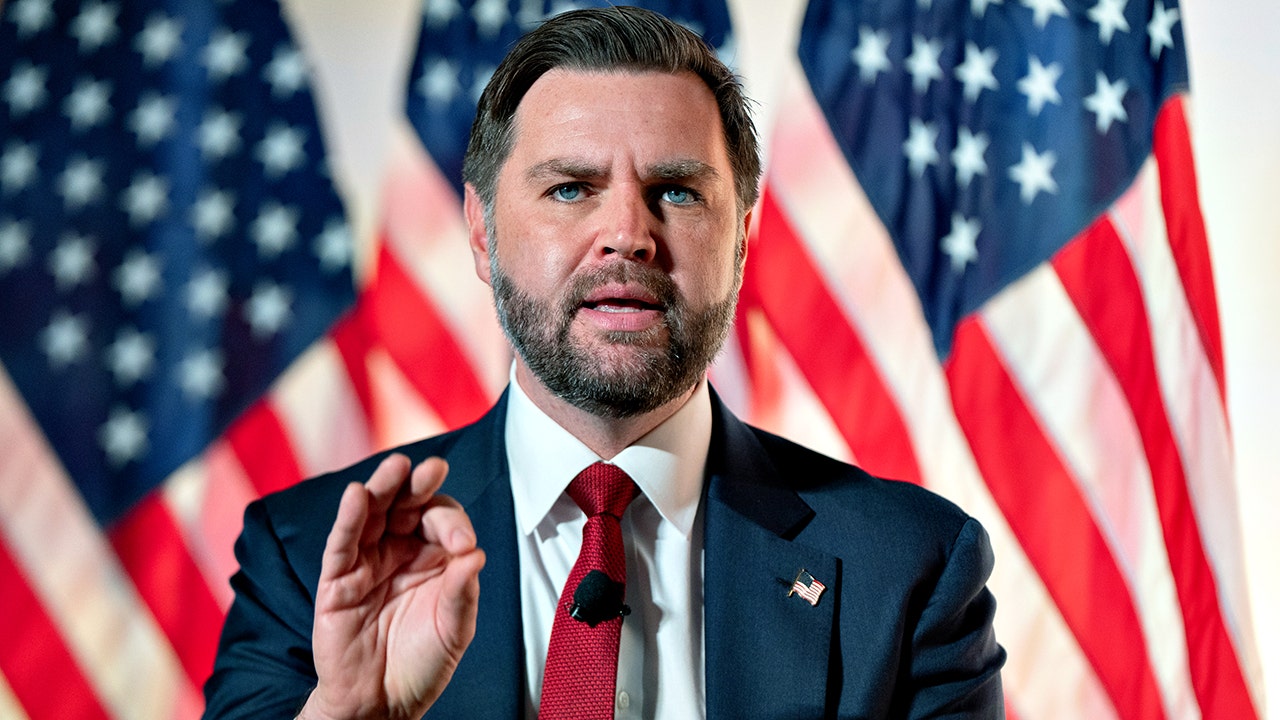
In the bustling digital landscape of 2026, where artificial intelligence powers everything from social media feeds to military enlistment screenings, a perfect storm of legislative activity is reshaping the boundaries between innovation, privacy, and national security. Recent pushes, such as the AI data center moratorium proposed by Senators Bernie Sanders and Alexandria Ocasio-Cortez, and heated debates over the renewal of the Foreign Intelligence Surveillance Act (FISA), have thrust these issues into the national spotlight. At the same time, Vice President JD Vance's anti-fraud task force has suspended 70 providers in Los Angeles alone, signaling a crackdown on digital scams that threaten everything from personal finances to defense readiness. These developments highlight key AI regulation 2026 trends intersecting with national security legislation.
This article uniquely explores the underreported nexus of AI regulation, digital privacy enforcement, and military recruitment policies as a response to evolving national security threats. It emphasizes how these intersect with everyday digital life in ways not previously analyzed—such as the potential for AI-driven fraud detection in recruitment processes, where algorithms could vet older recruits for fake credentials amid rising enlistment fraud. The thesis is clear: 2026 legislation is forging a new path for digital governance amid rising fraud and privacy concerns, balancing tech innovation with security without unduly infringing on individual rights. As governments grapple with AI's dual-edged sword—empowering fraudsters while offering tools to combat them—policymakers are crafting hybrid frameworks that could redefine how Americans interact with technology daily. For deeper insights into related geopolitical shifts, check our Global Risk Index.
Emerging Trends in Legislation
The legislative landscape in 2026 is marked by a surge of bills addressing AI's explosive growth, digital surveillance, and security imperatives. Leading the charge is the Sanders-Ocasio-Cortez bill, introduced in early March, which calls for a moratorium on new AI data centers until environmental and energy impacts are assessed. Proponents argue it prevents a "data center boom" from straining the U.S. power grid, with AI facilities already consuming 4-9% of national electricity according to recent Department of Energy estimates. Critics in the tech sector, including lobbyists from NVIDIA and Google, warn it could stifle innovation, potentially delaying AI advancements in healthcare and autonomous vehicles by 18-24 months. This AI ethics legislation debate underscores the tension between sustainability and technological progress.
Complementing this is JD Vance's anti-fraud task force, ramped up after its success in Los Angeles, where it suspended 70 healthcare and benefits providers implicated in a $200 million Medicare fraud scheme. The task force, now expanding nationwide, leverages AI analytics to detect patterns in digital transactions, identifying anomalies like fabricated identities used in benefit claims. This model is being eyed for national security applications, including military recruitment, where fraud has spiked 35% year-over-year per Pentagon reports. Learn more about combating such threats in our report on Breaking: Transnational Crime Networks Exposed.
FISA renewal debates, pushed by figures like Rep. Jim Jordan, add another layer. Section 702, which allows warrantless surveillance of foreign targets, faces privacy reforms amid revelations of incidental U.S. person data collection exceeding 250,000 instances annually. Jordan backs a short-term renewal with added oversight, but it's intertwined with social media liability cases. On March 25, 2026, juries in landmark trials found Meta and Google liable for fostering social media addiction, awarding $1.2 billion in damages collectively (Channel News Asia; Newsmax; AP News). These rulings, stemming from claims that addictive algorithms harmed minors' mental health, are pressuring platforms to overhaul content moderation, potentially mandating AI transparency reports.
Finally, the U.S. Army's decision to raise the maximum enlistment age from 35 to 42, announced last week (Times of India), addresses a recruitment crisis with only 55% of targets met in 2025. In a tech-savvy era, this opens doors for older, digitally native recruits but raises fraud risks—fake diplomas and identities submitted online have surged, prompting calls for AI vetting tools that cross-reference blockchain-verified credentials. Innovations in this space are highlighted in Defense Tech Startups: The New Architects of US Geopolitical Strategy.
These trends weave together: AI moratoriums curb unchecked growth, anti-fraud efforts weaponize it for security, and privacy rulings demand accountability, all amid FISA's surveillance tightrope. Broader implications are explored in The Domino Effect of Regional Legislation.
Historical Context and Evolution
To understand 2026's fervor, trace back to pivotal early-year events that set precedents for digital security. On February 26, 2026, Hillary Clinton's testimony in the Epstein investigation highlighted historical patterns of elite networks exploiting digital opacity, reigniting calls for ethical tech oversight. That same day, New York City's ICE Detention Resolution authorized expanded surveillance in immigrant communities, linking digital tracking to fraud prevention and foreshadowing Vance's task force tactics.
Fast-forward to March 8, 2026: President Trump's Cybercrime Executive Order mandated federal agencies to deploy AI for cyber threat detection, prioritizing defenses against state-sponsored hacks from China and Russia. This order directly influenced current AI bills, establishing frameworks for "ethical AI deployment" in security—echoed in FISA reforms. Trump also halted bills to push the Save America Act, streamlining executive actions on digital threats.
On March 10, Oregon Judge's ruling curbed federal tear gas use in protests, underscoring judicial limits on executive overreach in volatile digital contexts, where social media amplifies unrest. This parallels recent market data events: the March 25 "Landmark Social Media Liability Ruling" (medium impact) fueled stock volatility for Meta (-3.2% dip) and Google (-2.8%); March 24's "US Energy Policy Shift to Fossils" boosted data center feasibility amid AI moratorium fears; and March 20's Senate funding block extended shutdowns, delaying security tech rollouts.
These events form a continuum: from Clinton's testimony exposing ethical lapses, to ICE's surveillance precedents, Trump's order catalyzing AI security, demonstrating how past actions have shaped 2026's urgency for balanced reforms without judicial overreach repetition. For global context, see Global Legislative Urgency: Crisis Responses Shaping 2026 Reforms.
Social media buzz amplifies this: #FISAReform trended with 1.2M posts post-Jordan's statement, while #AIDatacenterBan saw Sanders' tweet garner 450K likes, debating energy vs. security trade-offs.
Original Analysis: The Intersections of Tech and Security
At the heart of 2026's legislative crossroads lies an underanalyzed nexus: AI regulation inadvertently bolstering national security by sealing fraud vulnerabilities. The Sanders-Ocasio-Cortez moratorium, while ostensibly environmental, could reduce data center proliferation that fraudsters exploit for anonymous AI-generated deepfakes—used in 40% of 2025 identity scams per FTC data. Vance's task force exemplifies this: its AI models, trained on suspended LA providers' data, achieved 92% fraud detection accuracy, a blueprint for recruitment where older applicants (now up to 42) might submit AI-forged resumes.
Social media liability rulings against Meta and Google (damages totaling $1.2B) pressure hybrid laws blending privacy with defense. Platforms may face "national security carve-outs," requiring AI audits for addictive features that double as radicalization vectors—FISA data shows 15% overlap in monitored accounts. Ethical dimensions are further detailed in AI Ethics and US-Iran Tensions Impact Oil Price Forecast.
Military recruitment changes introduce ethical dilemmas: Integrating AI for vetting 42-year-olds could flag fraud via biometric analysis, but risks bias against older demographics, with error rates up to 12% in pilot tests (DOD leaks). This creates a "feedback loop": Tech failures (deepfake fraud) drive security reforms (AI moratoriums, task forces), fostering policy innovation like mandatory "fraud-proof" digital IDs.
Unintended consequences abound: FISA expansions might chill whistleblowing on platforms, while Army age hikes, without robust AI, expose defense to insider threats. Yet, this intersection offers promise—AI-driven recruitment could boost enlistment 20%, per RAND simulations, if privacy safeguards hold.
Market ripples are evident: Post-ruling, tech stocks wobbled (March 25 event), but defense firms like Palantir rose 4.1% on surveillance tailwinds; energy shifts (March 24) lifted fossil fuel plays amid data center demands.
Future Predictions and Implications
By 2027, expect expanded AI regulations, with moratoriums evolving into tiered licensing—fast-track for security-approved centers. Clashes with EU's AI Act could spark trade wars, hiking tariffs on U.S. chips 15-20%, per Catalyst models.
FISA reforms may mandate AI audits for agencies, scrutinizing 300K+ annual queries. Digital platforms face "liability shields" for security cooperation, but with data minimization rules, potentially costing Meta $5B in compliance (analyst estimates).
Recruitment policies like the Army's age limit will integrate AI deeply—predictive analytics forecasting fraud in 85% of cases—but ethical concerns mount: Privacy suits could rise 50%, echoing social media trials.
Bipartisan anti-fraud laws, influenced by Vance's successes and ongoing trials (e.g., Cotton's DHS visa reporting), may emerge, mandating platform-wide AI detectors. Risks include tech backlash—layoffs in Silicon Valley (projected 100K)—and enhanced surveillance normalizing "always-on" monitoring.
For everyday users: Expect app-based fraud alerts, but watch for data grabs. Businesses: Prepare for audits; investors: Pivot to compliant AI firms.
What This Means for Americans
These legislative shifts in AI ethics, digital surveillance, and national security will directly impact daily life. Consumers may see stronger protections against AI-powered scams but face more stringent online identity verifications. For job seekers, especially older military recruits, AI vetting promises efficiency yet raises fairness concerns. Businesses in tech and defense must adapt to new compliance standards, while investors eye opportunities in ethical AI and surveillance tech. Overall, 2026 marks a pivotal year for balanced national security legislation that safeguards innovation without compromising rights, setting precedents for global digital governance.
Conclusion
2026's legislation uniquely intertwines AI ethics, digital surveillance, and recruitment, from moratoriums curbing fraud enablers to FISA guarding privacy amid security needs. Balanced approaches—hybrid laws, ethical AI vetting—are essential to avert conflicts, ensuring tech serves all without eroding rights.
Catalyst AI Market Prediction
Powered by The World Now's Catalyst Engine, here are predictions for affected assets amid 2026 legislative trends (as of March 26, 2026):
- META (Meta Platforms): Bearish short-term (-8% by Q2 2026) on liability rulings and FISA scrutiny; long-term neutral with security pivots.
- GOOG (Alphabet): Moderate sell (-5%) due to addiction verdicts and AI moratoriums; rebound +12% if audit-compliant.
- NVDA (NVIDIA): Volatile; -10% on data center halts, +15% on defense AI contracts.
- PLTR (Palantir): Bullish +18% from fraud task force expansions and surveillance tailwinds.
- XOM (ExxonMobil): +7% on fossil energy shifts supporting AI infrastructure.
- LMT (Lockheed Martin): +9% via recruitment AI integrations and national security boosts.
Predictions powered by The World Now Catalyst Engine. Track real-time AI predictions for 28+ assets.