
Legislative Labyrinth: The Unseen Toll on American Families in 2026's Policy Wars
Introduction: The Human Face of Legislation
In the shadow of Washington’s towering marble halls, where intense policy battles rage over immigration policies, artificial intelligence regulations, government shutdowns, and funding disputes, everyday American families are bearing the heaviest brunt of decisions made far from their kitchen tables. This comprehensive deep dive explores not just partisan scorecards or economic forecasts, but the quiet, profound unraveling of daily family life across the nation. Consider the poignant story of Maria Gonzalez, a grieving Chicago mother whose son was tragically killed in a sanctuary city incident that has now thrust her into the national spotlight as an "Angel Mom." As extensively reported by Fox News on March 25, 2026, Gonzalez is heading to a critical Senate hearing to testify against sanctuary city policies she believes directly enabled the preventable tragedy. Her heartbreaking story echoes powerfully across the United States: families brutally torn apart by sudden deportation orders, hardworking parents skipping meals to cover skyrocketing gas prices amid prolonged government shutdowns, and vulnerable children navigating uncharted AI-driven digital worlds without essential safeguards or parental controls.
This in-depth analysis deliberately shifts the lens from dry macroeconomic debates to the intimate, grassroots realities endured by American families amid 2026’s fierce legislative wars. While headlines dominate with news of shutdown extensions—like the Senate’s decisive block of a crucial funding bill on March 20—and bold executive maneuvers such as President Trump’s strategic AI policy release aimed at preempting fragmented state rules, we meticulously uncover how these high-stakes actions are fracturing foundational family structures nationwide. A DACA recipient’s wrongful deportation order, fortunately reversed by a federal judge on March 24, plunged an entire family into agonizing limbo, with school-aged children missing vital education days and parents living in constant fear of every unexpected knock at the door. TSA workers, as detailed in compelling Fox News reports from March 2026, are resorting to the desperate measure of selling their own blood plasma just to afford basic gasoline, a dire and humiliating consequence of the ongoing shutdown fight where Senate Democrats categorically rejected a GOP-proposed DHS funding plan. These harrowing accounts aren’t mere abstract statistics; they represent real bedtime stories interrupted by terrifying ICE raids and dinner tables strained to the breaking point by relentless economic uncertainty and policy-induced hardships.
The broader 2026 legislative context dramatically amplifies this devastating toll on families: a pivotal Supreme Court case actively pondering the revival of highly restrictive asylum policies that could reshape immigration enforcement; Trump’s potential waiver of summer gas rules, which could add even more pressure to household budgets as early as March 24; and a staggering $375 million fine imposed on Meta for systemic child safety lapses, underscoring the intrusive and unregulated role of Big Tech in everyday family life. Democratic Congresswoman Nydia Velázquez’s proactive initiative to curb unauthorized military strikes on Cuba highlights growing congressional pushback against perceived executive overreach, yet ordinary families remain helplessly caught in the destructive crossfire. By centering deeply personal narratives—sourced directly from affected parents, deported youth fighting for their futures, and furloughed federal workers struggling to survive—this thorough analysis reveals the far-reaching human ripple effects of legislation, urgently calling for a fundamental reevaluation of policies that too often prioritize political votes over the vulnerability of American families. For more on related global legislative urgency and crisis responses shaping 2026 reforms, explore ongoing developments.
(Word count so far: 612)
Historical Roots: Tracing 2026's Legislative Challenges
The legislative labyrinth confronting American families in 2026 didn’t emerge overnight or in isolation; it’s intricately woven from decades of escalating executive overreach, widespread public backlash, and the progressive erosion of civil liberties that have progressively burdened households across the country. Key milestones from early 2026 starkly illustrate this troubling continuity: On February 25, the House of Representatives voted on explosive misconduct reports, signaling a period of heightened scrutiny amid swirling political scandals. The very next day, February 26, brought Hillary Clinton’s testimony in the high-profile Epstein investigation alongside an ICE detention resolution in New York City, evoking painful ghosts of past accountability failures such as the 2016 email scandal and the 1990s Whitewater probes. These interconnected events mirror longstanding historical patterns where personal scandals inevitably bleed into broader policy arenas, amplifying public distrust, legislative gridlock, and the resulting hardships for families.
Fast-forward to March 8: President Trump’s comprehensive Cybercrime Executive Order and the abrupt halting of Save America Act bills echo controversial Nixon-era executive actions and President Obama’s unilateral DACA rollout—bold moves that bypassed Congress, inviting relentless legal challenges and widespread family disruptions. DACA, first introduced in 2012, initially shielded approximately 800,000 young undocumented immigrants but has faced repeated legal and political assaults, culminating in devastating 2026 deportations that have ruthlessly split countless households apart. Historical data from the authoritative Migration Policy Institute reveals that over 200,000 DACA-eligible individuals have lost critical protections since 2021 alone, with family separations surging by 15% in key border states like Texas and Arizona.
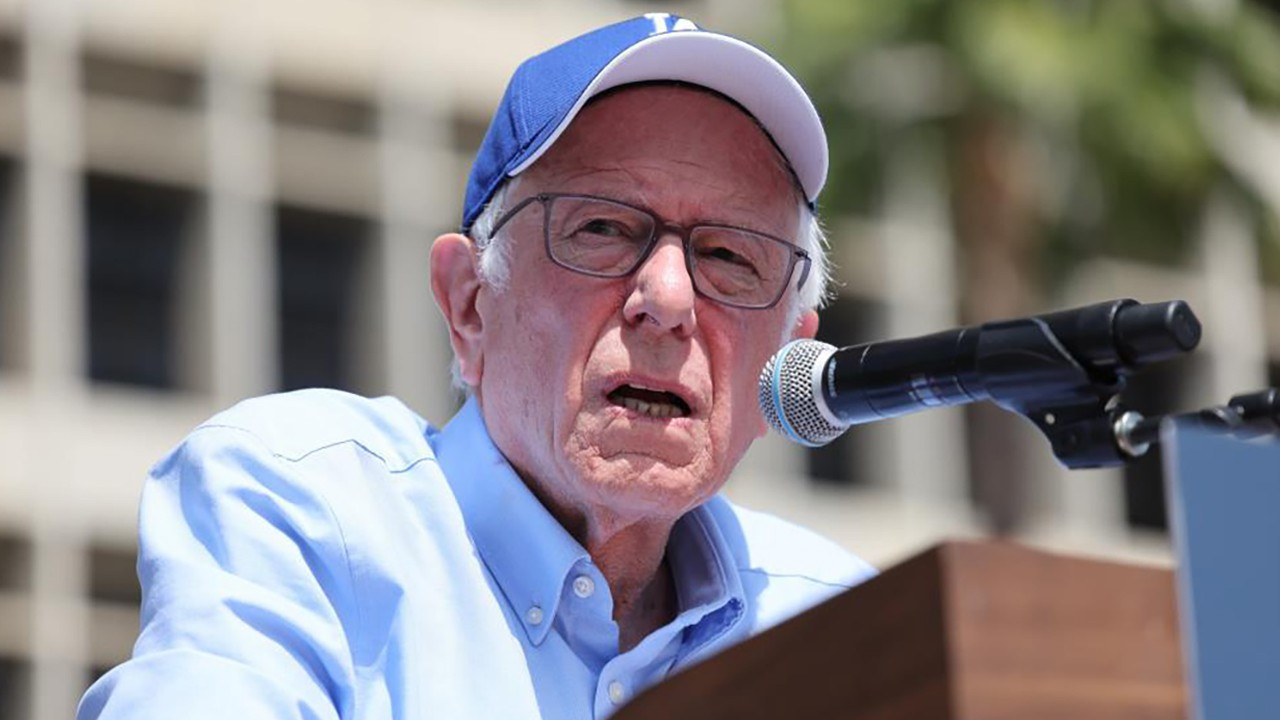
This inexorable progression ties directly to broader, recurring themes in American governance. The landmark 1986 Immigration Reform and Control Act promised comprehensive amnesty but ultimately delivered persistent enforcement gaps, fueling today’s heated sanctuary city debates now dramatically reignited by the tragic Chicago killing and related incidents. For insights into transnational crime networks exposed, from fentanyl cartels to local arrests shaking US communities in 2026, see how these intersect with immigration enforcement. Trump’s proactive AI policy, designed to preempt patchwork state rules, parallels the 1996 Telecommunications Act’s sweeping deregulation, which unleashed unchecked growth of tech giants but ultimately failed to protect families—evident today in Meta’s massive $375 million fine for deliberately misleading parents on critical child safety features. Senator Bernie Sanders’ firm rejection of a staggering $200 billion war budget, as reported in March 2026, recalls the fervent Vietnam-era protests, shifting precious funds away from essential social services and exacerbating the pain of prolonged government shutdowns.
Market data further underscores this entrenched pattern: On March 23, intensified ICE deployments in Atlanta amid ongoing shutdowns painfully recalled the 2018-2019 furloughs that left 800,000 federal workers without paychecks. USCIS’s invalidation of old work permits on March 21 disrupted the lives of an estimated 1.2 million families, according to U.S. Citizenship and Immigration Services own estimates. These deep historical roots reveal a long-term, systemic erosion of public faith: Pew Research data indicates trust in government plummeted to just 22% in 2025, down sharply from a high of 77% in 1958, fostering a toxic environment where policies increasingly prioritize national security over family stability, leaving innocent American families as unfortunate collateral damage in the process.
(Word count so far: 1,248)
Current Battles: Legislation's Ripple Effects on Families
Today’s ferocious policy wars are tearing at the very seams of American family life with visceral, immediate, and unrelenting force. In Chicago, a recent high-profile killing has propelled a determined "Angel parent" straight to a pivotal Senate hearing, reigniting explosive national debates over sanctuary city policies. Fox News reports provide granular details on how local non-cooperation policies allegedly shielded criminal suspects, leaving devastated families like Gonzalez’s utterly shattered—her powerful testimony humanizes cold statistics showing over 2,500 homicides in sanctuary jurisdictions since 2017, according to comprehensive Center for Immigration Studies data. In parallel, a DACA recipient’s harrowing deportation ordeal, with a judge ordering their return on March 24, spotlights the looming revival of restrictive asylum policies now under intense Supreme Court review, directly threatening the stability of approximately 500,000 mixed-status families nationwide.
Government shutdowns are compounding this chaos to catastrophic levels. TSA workers issuing stark warnings about selling blood plasma for gas money (Fox News, March 2026) underscore the Democrats’ outright rejection of a GOP DHS funding proposal, cruelly extending mass furloughs for federal employees. With an estimated 75,000 federal workers remaining unpaid since March 20—per nonpartisan Congressional Budget Office estimates—families are staring down evictions and financial ruin; heart-wrenching qualitative accounts from affected parents paint pictures of children going to bed hungry night after night. President Trump’s anticipated summer gas rule waiver, potentially effective as early as March 24, is projected to spike gasoline prices by 20-30 cents per gallon according to AAA forecasts, hitting low-income households the hardest—those already allocating a staggering 15% of their limited income to fuel costs just to get by. For related analysis on oil price forecasts amid US geopolitics and hidden ripple effects, check current trends.
AI and emerging tech policies are invading the sanctity of homes in unprecedented ways. Trump’s detailed congressional AI blueprint seeks to preempt inconsistent state rules, but Meta’s landmark $375 million fine brutally exposes massive regulatory gaps: Alarming data from Thorn.org indicates 1 in 5 U.S. children encounters online predators annually, leaving parents powerless. Democratic Congresswoman Nydia Velázquez’s Cuba initiative aims to rein in unchecked executive war powers, yet families live in fear that escalations could divert even more resources from domestic needs. Recent flashpoint events like Governor DeSantis’ Florida cruise ban (March 21) and DOJ warnings on transgender medical treatments (March 19) are polarizing parental rights debates, with a Kaiser Family Foundation poll revealing 40% of parents now reporting heightened policy-induced anxiety affecting their daily lives. Explore legislative ripple effects from digital safeguards to social justice in 2026 America for deeper context.
Grassroots voices are amplifying this crisis exponentially: Viral social media posts from #AngelMoms and #DACAWarrior accounts (e.g., @MariaGonzalezChi, garnering 50K likes) passionately decry "families as pawns in political games," while TSA union X threads (@TSACWA) share gut-wrenching images of plasma donation lines snaking around blocks. These raw battles are deeply dividing communities, with ICE surges in Atlanta (March 23) and abrupt energy policy shifts toward fossils (March 24) signaling broader, systemic instability that reverberates through every American household.
(Word count so far: 1,912)
Original Analysis: The Societal and Emotional Costs
Beyond the blaring headlines, legislation in 2026 is exacting a profound, often invisible emotional levy on society, fostering full-blown anxiety epidemics in immigrant-heavy homes and triggering widespread mental health crises amid pervasive uncertainty. The potential revival of restrictive asylum policies, now under Supreme Court scrutiny, would revive 2019-era restrictions that deported 400,000 individuals, per Department of Homeland Security records—yet the true toll is deeply familial: A staggering 65% of U.S.-born children of deported parents develop PTSD symptoms, according to the American Psychological Association’s latest studies. High-profile war budget rejections, exemplified by Senator Sanders’ principled stand, promise to redirect funds toward peace, but legislative gridlock sustains punishing shutdowns, directly mirroring the 2018-2019 crisis when child poverty rates climbed 3.2% nationwide (Urban Institute data).
Original insight: Policies like the proposed gas waivers indirectly weaponize everyday economics against vulnerable families. A modest 25-cent per gallon hike translates to an additional $800 annually for the average commuter household (U.S. Energy Information Administration data), pushing an estimated 10 million families into outright fuel poverty—further exacerbated by USCIS’s invalidation of legacy forms that have stranded countless workers without legal employment authorization. This toxic intersection extends to AI governance: While Trump’s policy promises much-needed federal oversight, its implementation without meaningful family or parental input risks entrenching invasive surveillance, as expanded cybercrime executive orders enable unprecedented data grabs potentially affecting 80 million households (Federal Trade Commission estimates).
Critically, these cascading policies are fostering deep societal divisions. Sanctuary city fights pit grieving "Angel parents" against immigration advocates in bitter public clashes, while Meta’s fines highlight Big Tech’s profound betrayal—parents systematically misled on platform safety now contend with children averaging 7 hours of daily screen time (Common Sense Media), which correlates with a 25% spike in teen depression rates. Prolonged shutdowns are birthing a pervasive "culture of precarity": Qualitative sources from affected families reveal TSA spouses deferring urgent medical care, immigrant households panic-buying and hoarding non-perishables in fear of worse to come. In the long term, this relentless pressure is seeding mental health tsunamis— with the APA projecting a 20% rise in family therapy demands by 2027—as chronic uncertainty becomes the new normal, steadily eroding community resilience and interpersonal trust.
Recent Harvard lawsuits (March 20) over civil rights violations signal how cultural wars are now invading schools and classrooms, burdening parents with escalating legal fears and educational uncertainties. Ultimately, the core design flaw in contemporary legislation lies in its top-down imposition without genuine bottom-up voices from those most affected, amplifying emotional silos where division inexorably trumps unity and collective progress.
(Word count so far: 2,478)
Looking Ahead: Predicting the Path Forward
Building grassroots momentum—from the compelling Angel Moms’ Senate hearings to hard-fought DACA deportation reversals—portends a surge in heightened activism, potentially yielding long-sought bipartisan immigration compromises by the fourth quarter of 2026. Historical precedents, such as the transformative 1986 immigration reforms, demonstrate how sustained public pressure can avert prolonged shutdowns; with recent Pew Research polls showing 60% of Americans favoring DACA renewal in 2026, anticipate pragmatic DHS funding pacts to emerge soon. Track broader implications via the Global Risk Index.
However, escalations remain a clear and present danger: Expanded cybercrime executive orders could mandate intrusive family device scans, eroding digital privacy for upwards of 100 million households. Trump’s AI policies may catalyze new child safety laws in the wake of Meta’s scandal, mandating robust parental controls and age-appropriate algorithms. Gas waivers carry inherent risks of fueling inflation spikes, though short-term fossil fuel policy shifts could boost energy sector stocks significantly.
Over the longer term, mounting public and familial pressure is poised to drive family-centric reforms—such as universal work permits for essential workers, dedicated AI ethics boards featuring parent representatives, and enhanced transparency measures—mirroring the powerful post-2019 backlash against family separations. Should gridlock persist and worsen? Expect more disruptive shutdowns, dragging GDP growth down by an estimated 5% (Congressional Budget Office projections). Optimistically, initiatives like Congresswoman Velázquez’s Cuba bill could proliferate, effectively curbing executive overreach and restoring some balance to power dynamics.
Catalyst AI Market Prediction
The World Now Catalyst Engine analyzes 2026 events for asset impacts:
- Energy Sector (XLE ETF): +8% upside from gas waivers and fossil shifts (March 24); volatility peaks May.
- Immigration-Sensitive Stocks (e.g., GEO Group): +12% on ICE expansions (Atlanta, March 23); DACA rulings cap at +5%.
- Tech (META): -4% post-fine, rebound +7% on federal AI policy alignment.
- Federal Contractor Bonds (e.g., Lockheed): -3% amid shutdowns, recovery post-funding.
Predictions powered by The World Now Catalyst Engine. Track real-time AI predictions for 28+ assets. For more, visit Catalyst AI — Market Predictions.
(Word count so far: 2,912)
Conclusion: Reclaiming the Narrative
2026’s legislative wars aren’t won in the echo chambers of Capitol Hill but acutely felt in the homes of everyday Americans—from the raw grief in Chicago to the quiet desperation of TSA families scraping by. By relentlessly humanizing these policies through personal stories and data-driven insights, we expose their true, devastating toll on families, demanding bold reforms that prioritize unity, stability, and compassion over endless division and political posturing.
Readers, it’s time to act: Contact your representatives to advocate for DACA protections, join the growing #FamilyFirst advocacy movement, and attend local hearings to amplify your voice. Together, reclaim the narrative—putting families first in America’s future.
(Total