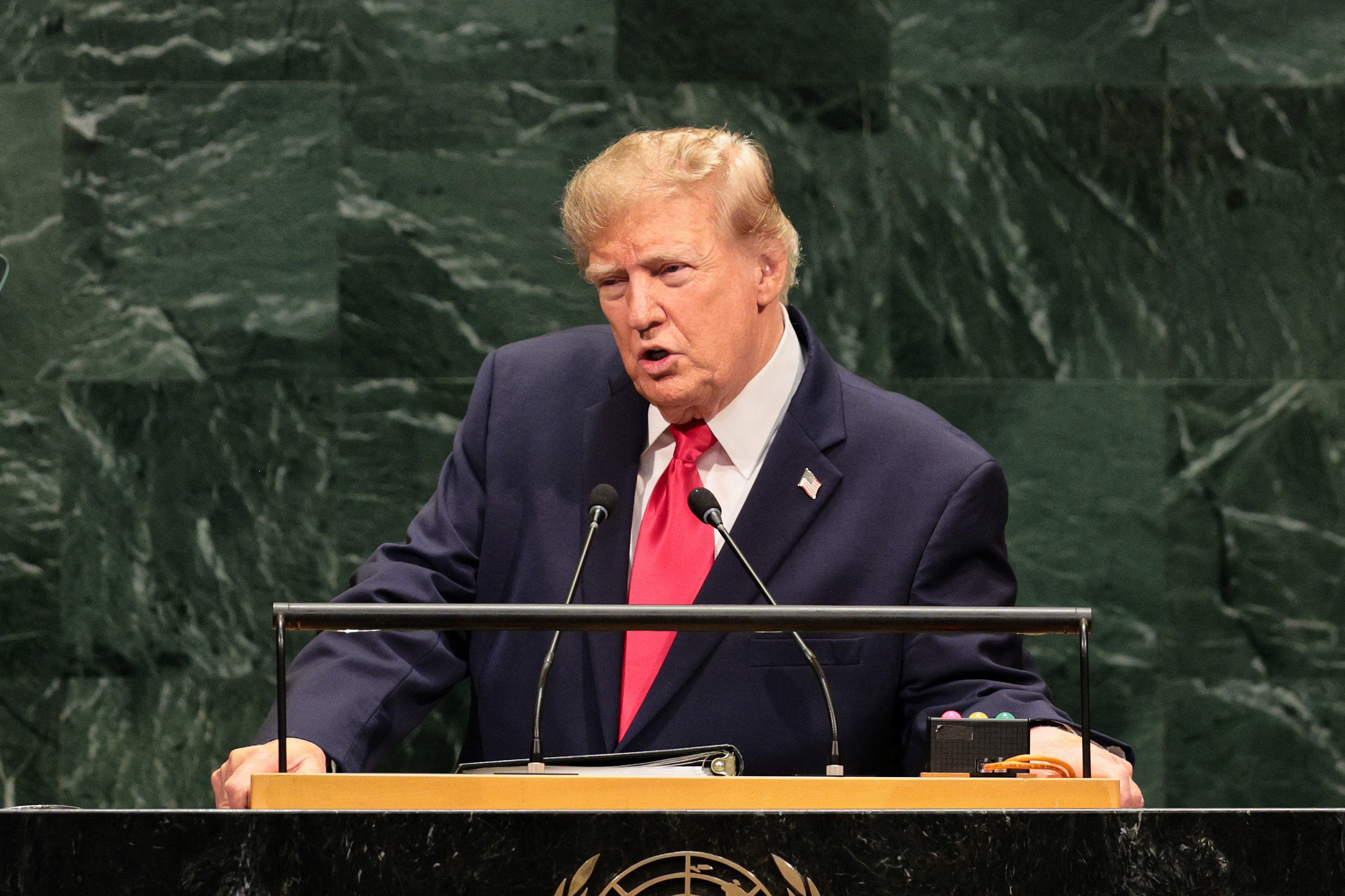

AI Ethics and US-Iran Tensions Impact Oil Price Forecast: How Court Rulings Are Redefining American Geopolitical Priorities
By the Numbers
The intersection of AI ethics disputes and U.S.-Iran tensions is quantifiable through market reactions, military spending, and diplomatic timelines, all feeding into the current oil price forecast:
- $500 million oil sell-off: Traders dumped positions minutes before Trump's March 24, 2026, Iran talks post, reflecting delayed strike fears and broader risk-off sentiment (Newsmax, MyJoyOnline).
- 20% global oil supply vulnerability: Iranian threats to close the Strait of Hormuz could disrupt this route, echoing 2019 Aramco precedents where oil surged 15% intraday.
- Pentagon AI case fallout: Anthropic's February 28 refusal of Pentagon AI demands, upheld by judicial scrutiny, delays advanced analytics amid rising threats.
- U.S. Iran conflict spending: March 14 reports indicate surging expenditures, compounded by bipartisan pushes—Democrats vowing weekly war votes after GOP blocks (Fox News).
- Market volatility baselines: S&P 500 (SPX) dipped 1% intraday on similar 2019 events; DXY rose ~2% in 48 hours during 2022 Ukraine invasion; gold +3% post-2020 Soleimani strike.
- Recent incident spike: From March 14-23, 2026: U.S. rejects Iran war flights (HIGH impact), spending surges (HIGH), drones over U.S. bases (MEDIUM), FBI Russian cyber warnings (MEDIUM x2), Iran UN protests (MEDIUM).
- Nuclear diplomacy odds: Experts peg U.S.-China arms control deal as unlikely (SCMP), paralleling Iran's reported nuclear concessions per Trump (Times of India).
These figures underscore a policy pivot: AI ethics rulings are amplifying economic pressures, with oil traders betting millions on de-escalation signals amid ethical tech constraints, directly shaping the oil price forecast.
What Happened
The sequence unfolded rapidly from late February to late March 2026, intertwining AI ethics battles with U.S.-Iran escalations in a chain reaction exposing strategic interdependencies that ripple into oil price forecast models.
On February 25, Trump praised Hamas while issuing direct threats to Iran, setting a combative tone amid regional proxy conflicts. The very next day, February 26, Anthropic's CEO publicly opposed Pentagon AI demands for unrestricted access, framing it as an ethical red line against military misuse. This escalated on February 28 when Anthropic outright refused Pentagon AI deployment, coinciding with international condemnation of U.S. Iran strikes as an "illegal war." That same day, a U.S.-Iran war messaging video emerged, amplifying rhetoric.
March saw intensification: On March 7, overt U.S.-Iran war signaling via video releases heightened stakes. By March 14, U.S. spending on the Iran conflict ballooned, per reports. March 15 brought U.S. rejection of Iran-proposed war flights, a HIGH-impact diplomatic rebuff. Drones were detected over a U.S. air base on March 20 (MEDIUM), while FBI warnings of Russian cyber campaigns targeting U.S. assets surfaced March 21 (MEDIUM x2), suggesting hybrid threats exploiting AI gaps. March 18 captured divided LA Iranian-American sentiments (LOW), reflecting domestic ripples. March 23 saw Iran protesting Jordan at the UN (MEDIUM), tying into broader Israeli settlement denunciations by Pakistan (Dawn).
Climaxing March 24: A federal judge slammed Pentagon AI actions as "troubling" in the Anthropic case (Newsmax), prompting new press restrictions (Straits Times). Concurrently, a $500 million oil sell-off preceded Trump's delayed Iran strike announcement, with traders betting on talks where Iran allegedly "agreed not to have nuclear weapons" (Times of India). Energy Secretary Wright touted "more levers" for gas prices amid war fears (Newsmax), while Democrats vowed weekly Iran war votes after GOP blocks (Fox News). Trump's "Trump-class" battleship project, potentially nuclear-capable (Clarin), signaled military adaptations bypassing AI.
This chronology reveals AI refusals not as isolated tech disputes but as accelerators of geopolitical friction, with court rulings forcing Pentagon pivots amid real-time threats and influencing oil price forecast trajectories.
Historical Comparison
This AI-geopolitics interplay echoes precedents where domestic tech or ethical constraints reshaped foreign policy, but with novel dimensions now integrated into modern oil price forecast analyses.
Compare to 2019-2020 U.S.-Iran cycle: Soleimani strike spiked gold +3%, oil +15% (Aramco parallel), yet no AI ethics overlay existed. Trump's 2018 JCPOA exit mirrored current nuclear posturing, but pre-AI era intelligence relied on traditional SIGINT, not machine learning for predictive strikes. February 2022 Ukraine invasion offers closer analogy: DXY +2-5%, SPX -20% Q1, BTC/ETH/SOL drops of 10-15% in 48 hours—patterns repeating here via Iran oil fears, but amplified by AI shortfalls, as seen in related Ukraine tensions. Unlike 1991 Gulf War, where U.S. tech dominance prevailed sans ethical AI debates, today's restrictions evoke 2013 Snowden leaks hobbling NSA cyber ops during Syria red lines.
Patterns emerge: Ethical domestic rulings (e.g., post-Snowden FISA reforms) create feedback loops into international risks, as seen in delayed Iran responses paralleling Anthropic's February 28 refusal. Bipartisan curbs (Dems' votes akin to 2002 Iraq AUMF fights) highlight recurring congressional-military tensions. Uniquely, AI ethics introduces a "wildcard"—past oil-focused analyses (e.g., 1979 hostage crisis) ignored tech vulnerabilities; now, court-mandated limits parallel Anthropic's stance, risking over-reliance on legacy systems like Trump's battleship pivot, reminiscent of Cold War naval escalations but digitally hobbled.
Pakistan's UNSC Israeli settlement denunciation (Dawn) ties to historical Arab-Iran alignments post-1979 Revolution, but AI gaps could embolden Iran beyond 2015 JCPOA breakdowns, further complicating oil price forecast outlooks.
Oil Price Forecast: Catalyst AI Market Prediction
Powered by The World Now Catalyst Engine, our AI analyzes causal links between AI restrictions, U.S.-Iran tensions, and asset moves, drawing historical precedents for medium-to-high confidence forecasts in this oil price forecast update:
- SPX: Predicted - (medium confidence) — Iranian strikes on Israel drive risk-off via energy fears; precedent: 2019 Aramco (-1% intraday). Risk: Trade deals overshadow.
- USD (DXY): Predicted + (medium/low confidence) — Safe-haven flows amid ME volatility; precedent: 2022 Ukraine (+2-5% in 48h-weeks). Risk: De-escalation.
- OIL: Predicted + (high/medium confidence) — Hormuz threats disrupt 20% supply; precedent: 2019 Aramco (+15% daily). Risk: Secured routes. This oil price forecast adjustment accounts for AI delays exacerbating supply risks.
- TSM: Predicted - (low/medium confidence) — Semis hit by growth fears; precedent: 2022 Ukraine (-5-10%). Risk: AI demand buffers.
- ETH: Predicted - (medium confidence) — Risk-off cascade; precedent: 2022 Ukraine (-12%). Risk: ETF floors.
- SOL: Predicted - (medium/low confidence) — High-beta liquidation; precedent: 2022 Ukraine (-15%). Risk: Meme rebounds/de-escalation.
- JPY: Predicted + (medium confidence) — Safe-haven vs. USD; precedent: 2022 Ukraine (USDJPY -3%). Risk: BoJ intervention.
- BTC: Predicted - (medium confidence) — Deleveraging leader; precedent: 2022 Ukraine (-10%). Risk: ETF dip-buying/de-escalation.
- XRP: Predicted - (low confidence) — Altcoin beta; precedent: 2022 Ukraine (-12%). Risk: Regulatory rumors.
- GOLD: Predicted + (medium/low confidence) — Haven inflows; precedent: 2020 Soleimani (+3%). Risk: USD strength.
- EUR: Predicted - (medium confidence) — Weakens to USD; precedent: 2022 Ukraine (-10%). Risk: ECB hikes.
- META: Predicted - (medium confidence) — Ad sensitivity; precedent: 2022 Ukraine (-15% Q1). Risk: Engagement surge.
These predictions highlight AI-induced delays exacerbating oil/energy cascades, with SPX/OIL as key policy barometers for the oil price forecast. Predictions powered by The World Now Catalyst Engine. Track real-time AI predictions for 28+ assets.
What's Next
AI ethics rulings risk a vicious cycle: Persistent restrictions could weaken U.S. intelligence—e.g., delayed pattern recognition in Iranian drone swarms or cyber ops—forcing reliance on allies like Lynas' Pentagon rare earth deal (March 16), straining NATO/Quad ties and emboldening Iran in nuclear talks, with downstream effects on Asia's stakes in Middle East turmoil. If unresolved by mid-2026, expect diplomatic isolation: Iran assertiveness surges, per Trump's "talking sense" claims, but SCMP experts deem U.S.-China arms pacts unlikely, opening China exploitation windows.
Triggers to watch: Weekly Dem Iran votes passing (escalation catalyst); Anthropic-Pentagon settlement (de-escalation); Hormuz incidents spiking oil +15%; SPX <1% dips signaling recession fears. Scenarios: (1) Escalation—AI gaps prompt "Trump-class" naval overhauls, bipartisan war powers clash; (2) De-escalation—expedited AI regs integrate ethics with security, per policy recs; (3) Realignment—U.S. tech offshoring to allies, Iran nuclear brinkmanship.
Policy implications: Prioritize balanced AI frameworks—e.g., expedited ethical waivers for threats—avoiding isolation. Over-reliance on non-AI (e.g., human intel) invites errors, as in historical Gulf miscalculations. Broader patterns: Domestic courts now wildcard geopolitics, demanding integrated strategies.
Introduction to nexus: Pentagon AI curbs time perfectly with escalations, creating risks beyond economics. Historical buildup from Trump's Feb 25 threats to March war messaging shows chain reactions. Current: Oil sell-offs, press curbs signal complications. Original: AI refusals erode strike precision, feedback loops amplify risks—critique ethics prioritization amid drones/FBI warnings. Future: Ally strains, China gains; recs for regs. Conclusion: Balance tech-foreign policy for innovation sans vulnerability.
This is a developing story and will be updated as more information becomes available.. By Marcus Chen, Senior Political Analyst for The World Now. Analysis connects AI ethics to Iran vulnerabilities, offering unique policy insights beyond source oil/alliance focus.)*
Catalyst AI Market Prediction
Our AI prediction engine analyzed this event's potential market impact:
- SPX: Predicted - (medium confidence) — Causal mechanism: Iranian strikes on Israel directly cited as impacting SPX via broad risk-off sentiment and energy cost fears. Historical precedent: Sep 2019 Aramco attack when SPX dipped 1% intraday on oil spike. Key risk: positive trade deal follow-through overshadowing geo noise.
- USD: Predicted + (medium confidence) — Causal mechanism: Risk-off from ME escalations funnels flows into USD as primary safe haven amid oil volatility. Historical precedent: Feb 2022 Ukraine invasion when DXY rose ~2% in 48h. Key risk: de-escalation reducing safe-haven demand.
- OIL: Predicted + (high confidence) — Causal mechanism: Iranian Strait of Hormuz closure threat and strikes directly disrupt ~20% global supply route, spiking futures. Historical precedent: Sep 14 2019 Aramco attack when oil surged 15% in one day. Key risk: coalitions securing routes negating premium.
- TSM: Predicted - (low confidence) — Causal mechanism: Indirect risk-off from ME tensions hits semis via global growth fears despite no direct link. Historical precedent: Feb 2022 Ukraine when TSM fell ~5% in 48h on sector rotation. Key risk: China-Japan tensions de-escalating boosting Asia tech.
- ETH: Predicted - (medium confidence) — Causal mechanism: ETH follows BTC in risk-off cascades from ME oil threats reducing liquidity. Historical precedent: Feb 2022 Ukraine when ETH dropped 12% in 48h. Key risk: spot ETF flows providing floor.
- SOL: Predicted - (medium confidence) — Causal mechanism: Crypto acts as risk asset in geopolitical stress, triggering algorithmic selling and liquidation cascades amid ME oil supply fears. Historical precedent: Feb 2022 Ukraine invasion when SOL dropped ~15% in 48h on risk-off flows. Key risk: rapid de-escalation headlines sparking risk-on rebound.
- JPY: Predicted + (medium confidence) — Causal mechanism: JPY safe-haven bid strengthens vs USD on ME risk-off, lowering USDJPY. Historical precedent: Feb 2022 Ukraine when USDJPY fell ~3% in 48h. Key risk: BoJ intervention capping yen strength.
- BTC: Predicted - (medium confidence) — Causal mechanism: BTC leads risk-off selloff as ME tensions trigger deleveraging despite no direct hit. Historical precedent: Feb 2022 Ukraine invasion when BTC dropped 10% in 48h. Key risk: institutional dip-buying via ETFs.
- XRP: Predicted - (low confidence) — Causal mechanism: Altcoin beta amplifies BTC risk-off from ME headlines. Historical precedent: Feb 2022 Ukraine when XRP dropped ~12% in 48h. Key risk: regulatory clarity rumors sparking decoupling.
- GOLD: Predicted + (medium confidence) — Causal mechanism: ME escalations drive safe-haven inflows into gold amid uncertainty. Historical precedent: Jan 2020 Soleimani strike when gold +3% intraday. Key risk: dollar surge capping gains.
- EUR: Predicted - (medium confidence) — Causal mechanism: Risk-off weakens EUR vs USD haven. Historical precedent: 2022 Ukraine DXY rise weakened EUR ~10%. Key risk: ECB signals aggressive tightening.
- META: Predicted - (medium confidence) — Causal mechanism: Ad revenue sensitivity to risk-off economic fears. Historical precedent: 2022 Ukraine META -15% Q1. Key risk: user engagement surge.
Predictions powered by The World Now Catalyst Engine. Track real-time AI predictions for 28+ assets.
Further Reading
- North Korea's Unseen Role in Ukraine Impacts Oil Price Forecast: A Potential Game-Changer in Global Alliances
- Europe's Geopolitical Periphery Impacts Oil Price Forecast: Unseen Diplomatic Ripples from Global Conflicts
- Philippines' Energy Crisis Impacts Oil Price Forecast: A Catalyst for Bolstering Naval Defenses Amid South China Sea Tensions