
Strike Russia: Ukrainian Forces Hit Oil Tankers and Sink Missile Carrier
Ukrainian forces have conducted strikes on Russian oil tankers and a Kalibr missile carrier, while Russian strikes have resulted in at least 10 fatalities in Ukraine.[1] These developments highlight the intensifying use of drone technology in the ongoing conflict, with Ukraine targeting key Russian energy infrastructure and naval assets in what has been described as a significant strike Russia operation against the shadow fleet and military vessels.[1][4] President Volodymyr Zelenskyy has publicly confirmed multiple hits, including on oil tankers at a terminal and a missile carrier, underscoring Kyiv's strategy to disrupt Russian logistics.[1][3] Meanwhile, Russian aerial attacks have caused civilian deaths across Ukrainian regions, amid reports of advanced decoy drone deployments.[1][5]
Overview of Recent Strikes
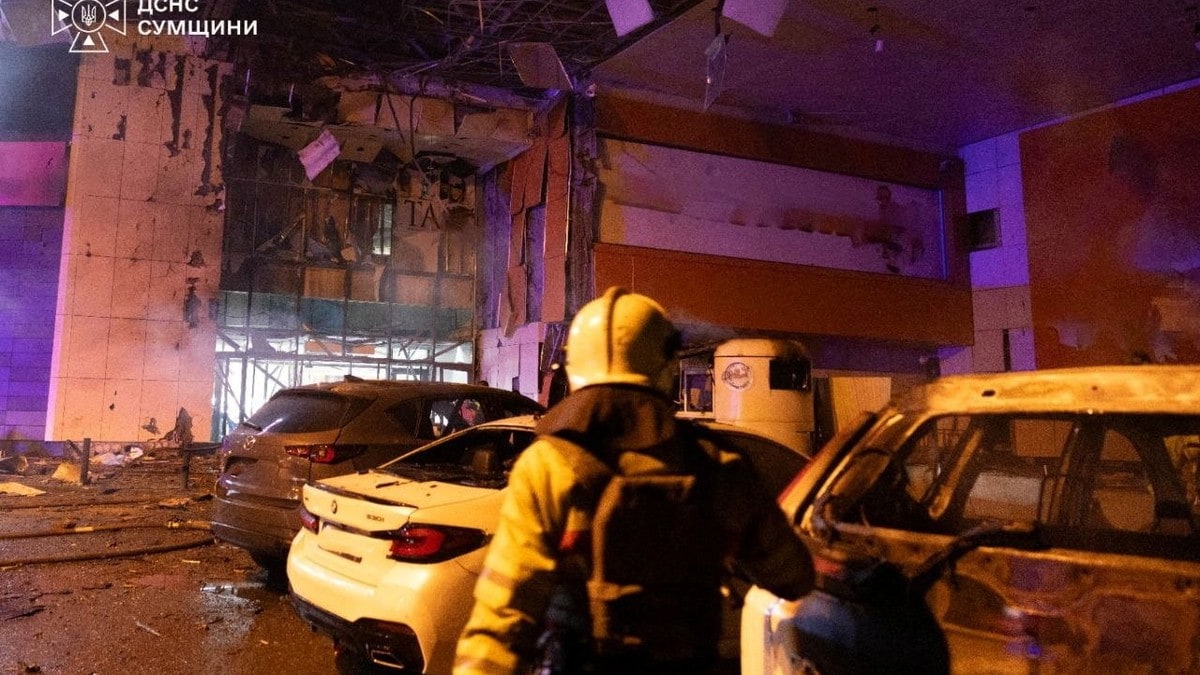
The recent exchanges of strikes between Russia and Ukraine represent a continuation of tit-for-tat aerial operations, with both sides leveraging drones to target strategic assets.[1][4] Ukrainian forces executed drone attacks on Russian oil infrastructure, including tankers associated with the so-called shadow fleet, which are used to circumvent international sanctions on Russian oil exports.[1] These actions were paired with strikes on a Russian Baltic Sea port, as confirmed by the regional governor, and additional hits near the port of Novorossiysk.[4] On the Russian side, strikes across Ukraine resulted in at least 10 fatalities, with impacts reported in multiple areas, including Kyiv Oblast.[1]
Zelenskyy emphasized the success of these Ukrainian operations, noting the destruction of key vessels that support Russian military and economic capabilities.[1][3] The timing of these events aligns with heightened aerial activity over the Gulf of Finland and Black Sea regions, where Ukrainian drones penetrated Russian defenses to strike energy terminals and shipping.[2][4] Russian responses involved renewed use of decoy drones during assaults on Ukrainian territory, indicating an evolution in tactics to overwhelm air defenses.[5] This overview captures the mutual escalation, where Ukraine's precision strikes on oil facilities coincide with Russia's broader bombardment causing human losses.[1][4]
The strategic implications are evident in the focus on energy and naval targets. Ukraine's strikes aim to impair Russia's ability to fund its war efforts through oil revenues, as the shadow fleet plays a critical role in evading Western price caps.[1][4] Russian strikes, conversely, seek to degrade Ukrainian infrastructure and morale, with the reported fatalities underscoring the human cost on the ground.[1] Sources indicate these operations occurred over a short timeframe, with Ukrainian claims verified through presidential statements and local Russian confirmations.[1][3][4] This pattern of drone-centric warfare has become a hallmark of the conflict's current phase, blending economic pressure with direct military confrontation.[1][4]
Ukrainian Strikes on Russian Targets
{IMAGE_2}
Ukrainian drone attacks have specifically targeted Russian oil facilities and vessels, marking a bold escalation in efforts to disrupt Moscow's energy exports and naval presence.[1][3][4] President Zelenskyy reported the destruction of a Russian Kalibr missile carrier, a vessel capable of launching long-range cruise missiles used extensively against Ukrainian cities.[3] This strike adds to earlier hits on oil tankers, bringing the total number of destroyed vessels to three, according to official Ukrainian statements.[3] The operations included drone strikes on a Russian oil terminal and shadow fleet tankers, which are integral to Russia's sanction-evasion strategy.[1]
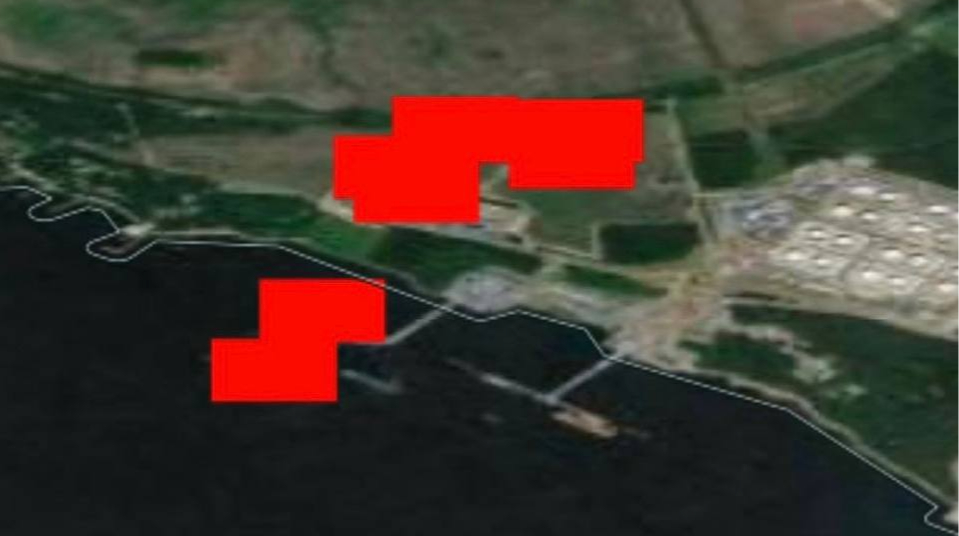
Further details reveal attacks on two shadow fleet tankers near the port of Novorossiysk in the Black Sea, a key hub for Russian oil shipments.[4] Simultaneously, Ukrainian forces struck a Russian Baltic port, with the local governor acknowledging the drone incursion.[4] These actions demonstrate Ukraine's growing capability to project power into multiple maritime theaters, from the Black Sea to the Baltic region, using long-range unmanned aerial vehicles.[4] Zelenskyy's announcements frame these as successful blows against Russia's war machine, with the Kalibr carrier's loss potentially limiting Moscow's missile stockpiles and launch platforms.[3]
The precision of these strikes highlights advancements in Ukrainian drone technology, allowing penetration of Russian air defenses around critical infrastructure.[1][4] Oil tankers and terminals represent high-value targets, as damage here directly impacts Russia's revenue streams that finance military operations.[1] The shadow fleet, comprising older vessels often reflagged to obscure ownership, has been a repeated focus for Kyiv, with these latest hits compounding previous disruptions.[1][4] Ukrainian sources portray the missile carrier sinking as a milestone, eliminating a platform for Kalibr missiles that have terrorized civilian areas in Ukraine.[3] Collectively, these strikes on Russian targets illustrate a multifaceted campaign blending economic warfare with direct threats to naval assets.[1][3][4]
Incidents Involving Border Areas
A suspected drone sighting near Finland's eastern border has drawn attention following a Ukrainian strike on a nearby Russian oil port.[2] The incident occurred in the early hours near Virolahti, close to the Russian border in the Gulf of Finland region, prompting an official inquiry by Finnish authorities.[2] The Finnish Ministry of Defence reported that the Air Force detected an unmanned aircraft flying in the direction of Russia, which subsequently exited Finnish airspace.[2] This event unfolded amid a night of heightened aerial activity, directly linked to Ukraine's operation against the Russian oil facility in proximity.[2]
The timing suggests a possible connection between the Ukrainian strike and the drone's path, as the Gulf of Finland serves as a strategic corridor for such operations targeting Russian Baltic assets.[2] Finnish officials have not yet identified the drone's origin or purpose, but its trajectory toward Russia aligns with patterns of Ukrainian long-range strikes originating from Ukrainian or allied territories.[2] The breach underscores the spillover risks of the conflict into NATO border areas, with Finland's proximity amplifying concerns over inadvertent escalations.[2]
This border incident reflects broader challenges in containing drone warfare within conflict zones. The Virolahti sighting occurred shortly after the reported Ukrainian hit on the oil port, indicating coordinated or sequential aerial maneuvers across international boundaries.[2] Finnish responses involved standard monitoring protocols, but the event has triggered a formal investigation to assess security implications.[2] Such occurrences highlight how strikes on Russian targets can inadvertently involve neutral airspace, complicating regional stability.[2]
Use of Drones in the Conflict
Drones have emerged as pivotal tools in recent attacks by both Russia and Ukraine, enabling strikes deep into enemy territory.[2][5] Ukraine's operations exemplify this, with drone assaults on Russian Baltic ports, oil tankers near Novorossiysk, and the Kalibr missile carrier demonstrating extended reach and precision.[4][3] These unmanned systems allow Kyiv to bypass traditional air defenses, targeting shadow fleet vessels and energy infrastructure critical to Russia's economy.[1][4]
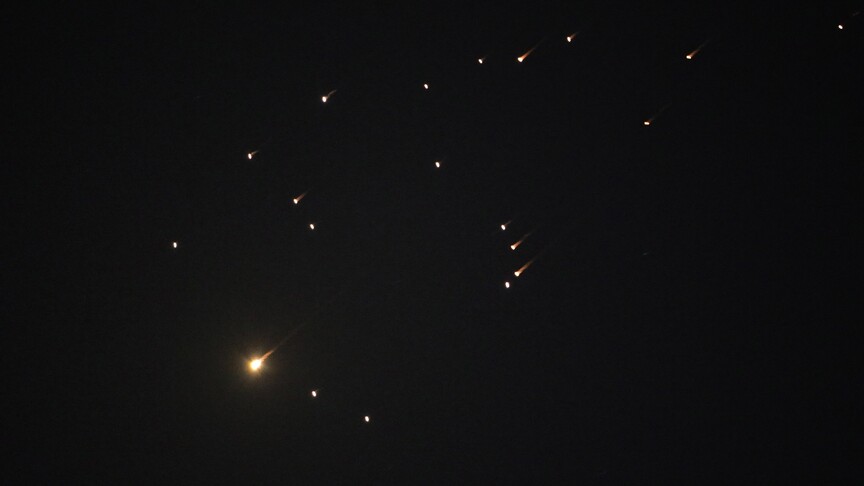
Russia, in turn, has incorporated Parodiya decoy drones into its aerial campaigns against Ukraine, resuming their use during strikes on Kyiv Oblast on 2 May.[5] These decoy UAVs are designed to mimic attack drones, confusing enemy radar and air defense systems to protect real munitions.[5] Photographic evidence from the Kyiv Oblast attack confirms their deployment, marking a tactical revival amid ongoing bombardments.[5] This mirrors Ukraine's drone-centric strategy, where both sides exploit low-cost, high-impact technology to achieve asymmetric advantages.[2][5]
The proliferation of drones extends to border vicinities, as seen in the Finnish detection near Virolahti post-Ukrainian strike.[2] Parodiya decoys specifically enhance Russian strike effectiveness by drawing fire, allowing primary payloads to penetrate defenses.[5] Ukrainian counterparts focus on maritime interdiction, with successes against oil tankers and naval vessels altering the conflict's dynamics.[1][3][4] This mutual reliance on drones signals a shift toward sustained attrition warfare, where aerial reconnaissance and strikes dominate without risking manned aircraft.[2][5]
Reported Casualties and Outcomes
Russian strikes across Ukraine have resulted in at least 10 fatalities, with impacts felt in various regions including Kyiv Oblast.[1] These attacks coincide with Ukraine's reported successes against Russian targets, creating a stark contrast in outcomes.[1][3] Zelenskyy highlighted the destruction of oil tankers at a terminal and a Kalibr missile carrier, alongside shadow fleet vessels, as major blows to Russian capabilities.[1][3]
The human toll from Russian operations underscores the asymmetric nature of the exchanges, where aerial bombardments cause civilian deaths amid defensive efforts.[1] Ukrainian strikes, by contrast, emphasize material losses for Russia, such as the three vessels sunk, including the missile carrier that posed a direct threat via Kalibr launches.[3] Damage to oil infrastructure further strains Russia's logistics, with shadow fleet tankers hit near Novorossiysk disrupting export flows.[4]
Outcomes include heightened aerial activity, as evidenced by border drone sightings and decoy deployments.[2][5] The 10 fatalities from Russian strikes highlight the ongoing civilian risks, while Ukraine's hits on strategic assets aim to impose long-term economic pressure.[1][3][4] These results reflect calculated escalations on both sides.
What to watch next: Monitor for further Ukrainian drone strikes on Russian energy and naval targets, potential Russian responses using decoy drones like Parodiya, and any developments from the Finnish border inquiry into the Virolahti drone sighting.[2][3][4][5]