

Strike Russia: Ukrainian Forces Hit Oil Tankers and Sink Missile Carrier
Ukrainian forces have conducted strikes on Russian oil tankers and a missile carrier in what President Volodymyr Zelenskyy has described as targeted operations against key Russian assets.[1][3] These actions, part of the ongoing conflict, come amid reports of Russian strikes causing fatalities in Ukraine.[1] The strike Russia operations highlight escalating aerial and naval engagements, with Ukraine focusing on Russia's "shadow fleet" of oil tankers and military vessels.[1][4]
Overview of Recent Strikes
Recent military exchanges between Ukraine and Russia have intensified, featuring Ukrainian drone attacks on Russian oil infrastructure and vessels alongside Russian aerial bombardments in Ukrainian regions.[1][4] President Zelenskyy reported that Ukrainian forces struck oil tankers and a terminal, specifically targeting elements of Russia's shadow fleet, which are used to circumvent international sanctions on Russian oil exports.[1] In parallel, a Ukrainian drone attack hit a Russian Baltic port, as confirmed by the local governor, underscoring the reach of Ukraine's unmanned operations into strategically vital areas near the Gulf of Finland.[4]
These strikes reflect a pattern of reciprocal actions in the conflict. Russian strikes have been reported across Ukraine, resulting in significant casualties, while Ukraine has responded by hitting economic and military targets deep inside Russian territory.[1] The involvement of shadow fleet tankers points to Ukraine's strategy of disrupting Russia's oil revenue streams, which fund its war efforts.[1] The Baltic port strike, occurring near international borders, adds a layer of regional tension, as it involves areas proximate to NATO members like Finland.[4] Ukrainian operations have extended to the Black Sea region as well, with strikes near the port of Novorossiysk, a key hub for Russian oil shipments.[4]
Reports from Kyiv indicate that these events unfolded over a short period, with Zelenskyy publicly announcing successes against Russian naval assets.[1] The combination of drone strikes on ports, tankers, and military carriers demonstrates Ukraine's growing capability in long-range precision attacks, leveraging unmanned systems to challenge Russian dominance in energy logistics and maritime security.[4] Russian responses have included intensified air raids, but the focus here remains on the documented Ukrainian initiatives that have damaged or destroyed critical infrastructure.[1]
Ukrainian Operations Against Russian Targets
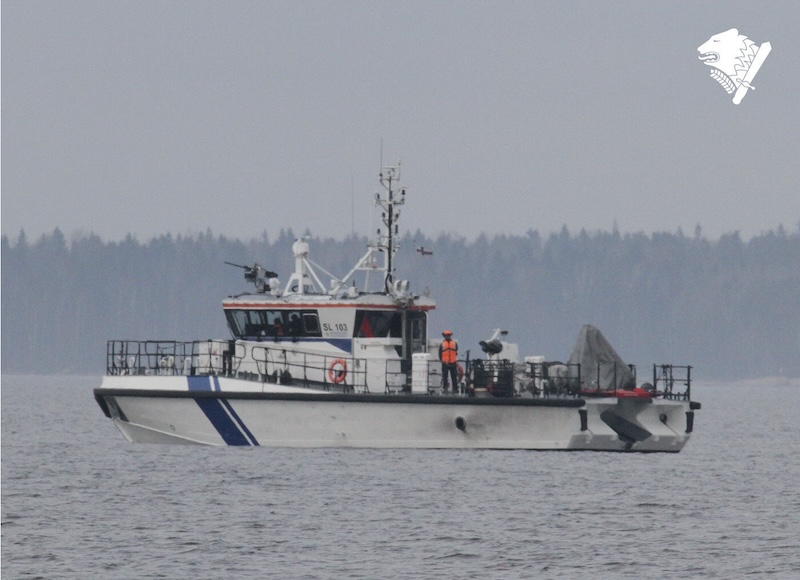
A drone is sighted near Virolahti following a strike on a Russian oil port. — Source: helsinkitimes
Ukrainian forces executed precise drone strikes on two Russian shadow fleet oil tankers near the port of Novorossiysk, as stated by President Zelenskyy.[4] These tankers are part of Russia's opaque fleet designed to evade Western sanctions by transporting oil under flags of convenience and through third-party operators.[1] In a related development, Zelenskyy announced the destruction of a Kalibr missile carrier, a vessel capable of launching long-range cruise missiles used extensively against Ukrainian targets.[3] This strike brings the total number of Russian vessels reported destroyed by Ukrainian actions to three, marking a significant blow to Russia's Black Sea Fleet and oil export capabilities.[3]
The strike on the Russian Baltic port, described by the governor as a Ukrainian drone attack, targeted an oil facility near the Gulf of Finland, further illustrating the breadth of Ukraine's operational reach.[4] Novorossiysk, a major Black Sea port, serves as a critical alternative export route for Russian oil following disruptions at other facilities, making it a high-value target.[4] Zelenskyy's statements emphasize the strategic intent: to impair Russia's ability to generate revenue from energy sales, which sustains its military operations.[1][3]
Details from Ukrainian sources highlight the use of drones in these operations, allowing strikes without risking manned aircraft in contested airspace.[4] The Kalibr carrier's destruction is particularly noteworthy, as these ships have been pivotal in Russia's missile campaigns against Ukrainian cities and infrastructure.[3] By confirming three vessels sunk, Zelenskyy positions these actions as cumulative successes, potentially deterring further Russian naval deployments.[3] The shadow fleet strikes near Novorossiysk disrupt not only immediate shipments but also signal vulnerabilities in Russia's sanction-evasion network, which relies on aging tankers often uninsured and operating in gray zones.[1][4]
Russian Counter-Strikes and Aerial Activity
Russian forces conducted strikes across Ukraine, resulting in at least 10 fatalities as reported from Kyiv.[1] These attacks coincided with Ukrainian announcements of successes against Russian targets, suggesting a tit-for-tat escalation.[1] In Kyiv Oblast, Russia employed Parodiya decoy drones during aerial assaults on May 2, a tactic resumed to confuse Ukrainian air defenses and preserve more valuable munitions.[5]
The Parodiya drones, which mimic the signatures of attack UAVs like the Shahed series, were documented in photos from the strikes, indicating Russia's adaptation to Ukrainian countermeasures.[5] By deploying decoys, Russian operations aim to overwhelm radar systems and force Ukraine to expend interceptors on non-threatening targets.[5] This occurred amid broader Russian air campaigns that have caused civilian deaths, with the 10 fatalities linked to strikes in various regions.[1]
Kyiv's reports frame these as part of ongoing Russian aggression, with the decoy usage highlighting tactical evolution in nighttime raids on oblasts surrounding the capital.[5] The integration of decoys into attacks on Kyiv Oblast demonstrates Russia's focus on attrition warfare through sustained aerial pressure.[1][5] Ukrainian defenses have intercepted many such threats, but the persistence of these tactics underscores the challenges in protecting populated areas.[5]
Incidents Near International Borders
A drone sighting near Finland's eastern border in Virolahti followed a Ukrainian strike on a Russian oil port adjacent to the Gulf of Finland.[2][4] The Finnish Ministry of Defence reported that the Air Force detected an unmanned aircraft in the early hours of Sunday, which flew toward Russia after entering Finnish airspace briefly.[2] This incident prompted an official inquiry, occurring amid heightened aerial activity in the region.[2]
The Ukrainian drone attack on the Russian Baltic port, as noted by the governor, aligns temporally and geographically with the Finnish sighting, raising questions about spillover effects from strike Russia operations.[4] Virolahti's proximity to the Russian border places it in a sensitive area where cross-border drone movements could escalate tensions with NATO allies.[2] Finnish authorities confirmed the drone exited airspace without incident, but the event underscores the risks of operations near neutral or allied territories.[2]
The Gulf of Finland's role as a chokepoint for Russian oil exports amplifies the strategic context, with Ukraine's strikes potentially involving drones transiting international airspace.[4] This pattern of activity near borders illustrates the conflict's expanding footprint, even as Finland maintains a non-combatant stance.[2]
Reported Outcomes and Casualties
Russian strikes in Ukraine have led to at least 10 deaths, with reports from Kyiv detailing impacts around the country.[1] On the Ukrainian side, President Zelenskyy highlighted the destruction of a Kalibr missile carrier alongside oil tankers, totaling three Russian vessels lost.[3] These outcomes represent material losses for Russia, including disruptions to its shadow fleet operations critical for oil transport.[1][3]
The human toll from Russian actions contrasts with Ukraine's reported naval successes, where no specific Ukrainian casualties from these operations were mentioned.[1] Zelenskyy's updates frame the strikes as effective, with the missile carrier's sinking impairing Russia's cruise missile launch capacity.[3] Shadow fleet tankers hit near Novorossiysk face potential long-term repercussions, as damage could sideline vessels in an already strained fleet.[4]
Casualty figures from Kyiv emphasize the civilian exposure in Russian strikes, while Ukrainian claims focus on military-economic gains.[1][3] The Baltic port hit further compounds Russia's logistical challenges in the region.[4]
What to watch next: Further Ukrainian updates on Russian vessel losses and Russian aerial tactics like Parodiya decoys, as both sides continue strikes amid the conflict.[1][3][5]