
Yemeni Army Reports 13 Soldiers Killed in Clashes with Houthis in Taiz and Lahj
Yemeni government forces report 13 soldiers killed in two days of clashes with Houthis in Taiz and Lahj provinces as the Iran-backed group seizes more ground, displacing over 112,000 people.
Clashes in Taiz, Lahj and near Bab el-Mandeb
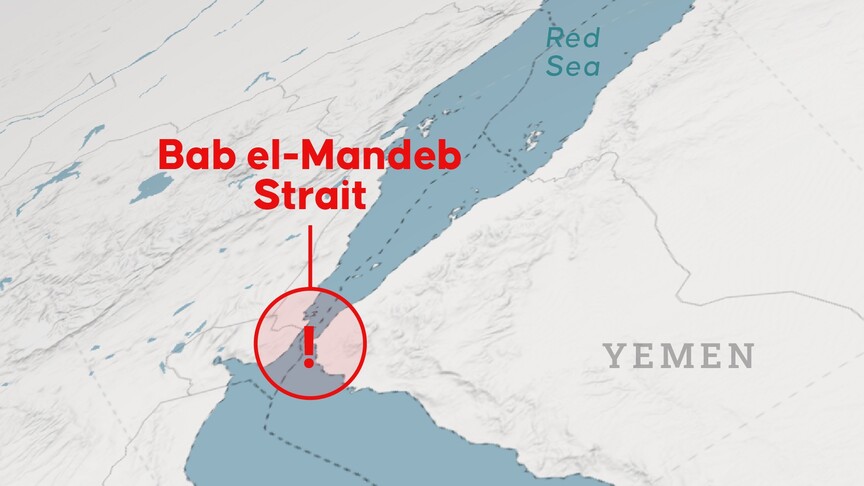
Yemen’s army says 13 soldiers were killed over two days of fighting with Houthis in Taiz and Lahj, with clashes intensifying across several fronts. [1] Army-affiliated Tur al-Bahah Military Axis says soldiers killed over 2 days of clashes as fighting intensifies across several fronts. [1] Seven Houthis including commander Firaq Mohsen al-Assar were killed in clashes near the Bab el-Mandeb Strait on the Kahboub front. [2] A Yemeni official stated that Houthi commander Firaq Mohsen al-Assar was among those killed on the Kahboub front. [2] The deputy information minister confirmed the deaths of seven Houthis in the fighting near the Bab el-Mandeb Strait. [2] Saudi-backed Yemeni government forces started fighting the Huthis, who are supported and trained by Iran’s Islamic Revolutionary Guard Corps, more than a decade ago during Yemen’s brutal civil war. [4] A 2022 UN-brokered truce had brought a period of relatively low levels of hostilities between the two sides. [4] However, the fighting has resumed and intensified in recent weeks. [4]
Displacement from Houthi advances
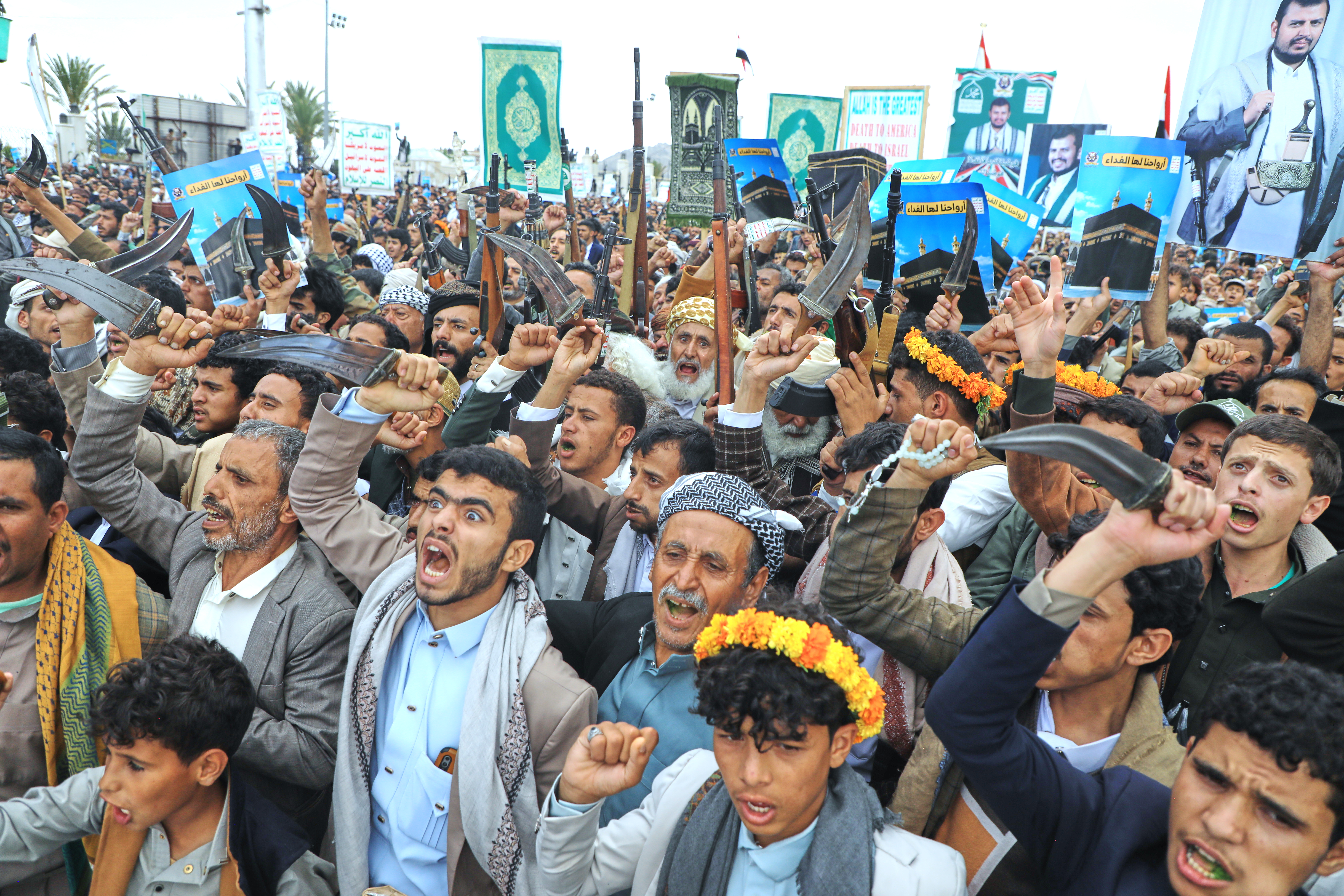
More than 112,000 people have been displaced inside Yemen as Houthis seize additional territory, layering a new crisis atop the country’s long-running humanitarian emergency. [3] The UN described the new fighting as a crisis layered atop Yemen’s long-running humanitarian emergency. [5] Thousands have also fled to Djibouti amid the renewed conflict. [5] Pro-Houthi demonstrations erupted in Yemen after Saudi Arabia accused the military group of targeting the Muslim holy site of Mecca. [3] The UN agency reporting on the displacement noted that women in Taiz province have used donkeys to transport water jerrycans to camps for people who fled fighting between the Houthis and forces of Yemen's internationally recognized government. [5]
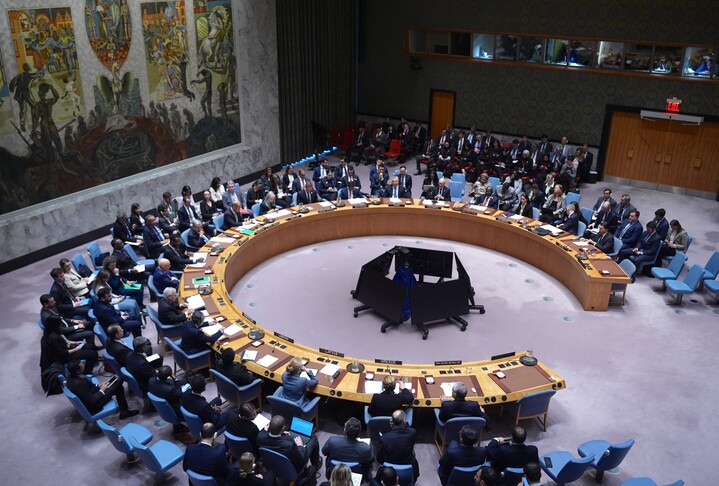
Yemeni government forces clash with Houthis in Taiz and Lahj provinces. — Source: anadolu
Houthi territorial gains and strategic impact
Dramatic recent advances by the Iran-backed Huthis, including the seizure of a strategically important island in the Red Sea, have dealt another blow to a region reeling from the US war with Iran and exacerbated an already severe global energy crisis. [4] Although US officials acknowledge the Yemeni rebel group is advancing with the goal of ultimately asserting control over the critical Bab al Mandeb Strait, the Trump administration is signaling it has little interest in using the American military to stop them. [4] The Huthis moves have not come as a surprise to sources in the region, as well as former diplomats, who said the weaknesses of the Saudi-backed Yemeni forces were well-known. [4] For months US intelligence reports indicated the group would attempt to close another key waterway for commercial shipping as Iran did earlier this year, US officials said. [4] The Huthis have the advantage of having this really deep and productive relationship with the Islamic Revolutionary Guard Corps which has trained them and taken them up several notches from the hard-scrabble kind of cave fighters that they were 12 years ago to a force that can really be quite devastating. [4] The Huthi have spent a lot of time in the last months preparing their forces for just this kind of move. [4] They punched through the Saudi-aligned and Yemeni government-aligned forces, not surprisingly, just punched through them – the forces just disintegrated. [4]
US and Saudi policy and limitations
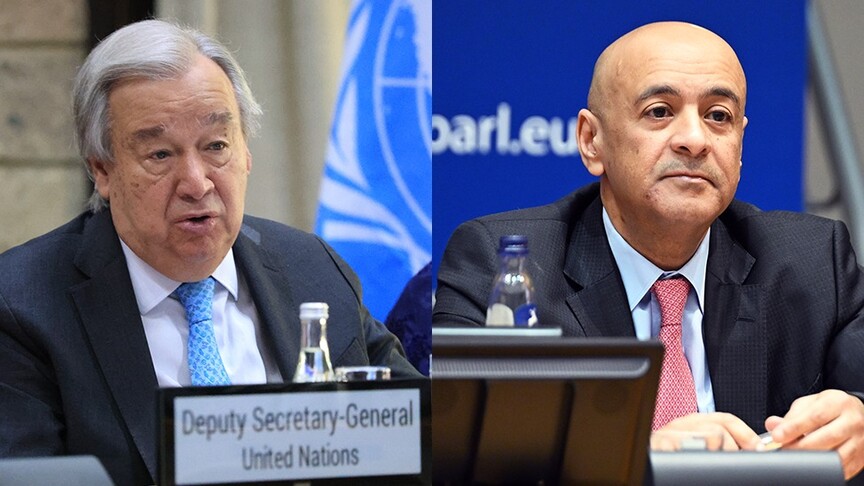
The Trump administration is signaling it has little interest in using the American military to stop them – relying instead on Saudi Arabia to do so. [4] Even with additional US intelligence and targeting support, Saudi Arabia has not been able to effectively stop the Huthis from taking key coastal towns in Yemen, frustrating Gulf and American officials. [4] Sources who spoke with CNN expressed doubt that the Saudis would be able to stop the Huthis on their own. [4] The highest levels of the US government largely ignored the Huthi threat over the last decade despite lower-level US officials and regional players urging closer attention to the rebel group as it grew stronger, sources said. [4] Last year’s US military campaign against the Huthis also laid bare the limits of American firepower – as months of bombing failed to effectively dislodge the group’s foothold inside Yemen. [4] President Donald Trump has made clear that his current red line is direct US participation in kinetic strikes against the Huthis. [4] To date, US military support has been strictly providing intel and targeting data for Saudi strikes. [4] “No offensive strikes,” said a US official. [4] Saudi Crown Prince Mohammed bin Salman spoke twice with Trump last week to ask for US strikes against the Huthis. [4] That request, so far, has been rebuffed and sources said it is hard to tell if the administration policy will shift. [4]
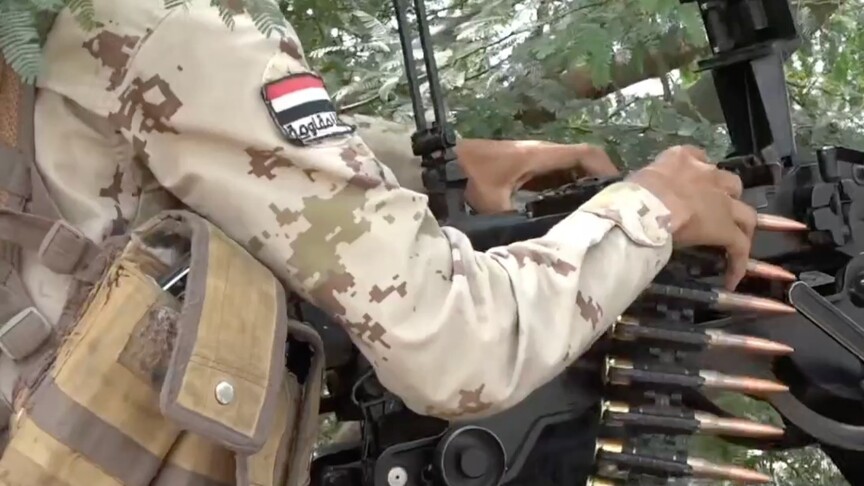
Yemeni government forces clash with Houthis in Taiz and Lahj provinces. — Source: anadolu
Diplomatic outreach and regional linkages
Saudi Arabia has reached out to Houthis through Oman seeking a ceasefire and direct negotiations, first on humanitarian demands then a comprehensive agreement. [5] According to the Lebanese newspaper Al Akhbar, which is affiliated with Hezbollah, the aim is first to discuss the Houthis' humanitarian demands and then attempt to reach a comprehensive agreement. [5] Amid this frustration over the Huthis advances, many Gulf sources believe the offensive represents a new front in the Iran war that could prolong the conflict. [4] Despite some efforts to deal with the issues separately, sources increasingly believe there is unlikely to be progress on Iran without dealing with the Huthis. [4] “The Huthis’ Red Sea push is emboldening the IRGC. The Saudis have to get this fixed, otherwise they are negotiating with a gun on the table and they won’t do that,” said Joey Hood, a former US ambassador who spent much of his career working in the Middle East. [4] Hood, like other sources, noted that although the Huthis claim their fight is just with Saudis, there is a clear nexus to Iran. [4] “Iran is in an existential battle now and pulling on all of their proxies to fight. The Huthis are not remote-controlled by Iran but they need fuel from them. So, the Huthi statements of why they are carrying out this offensive now are not a complete reflection of reality,” said Hood. [4] The situation in Yemen has complicated the other negotiations, including those over the Strait of Hormuz. [4] A first meeting between Gulf Cooperation Council countries and Iran since the US-Iran war began was canceled earlier this week. [4] Saudi Arabia decided not to attend amid concerns around the language of a potential agreement between Oman and Iran to open the Strait of Hormuz and other Gulf countries followed suit. [4] “Due to the Huthi attacks and the situation near the Bab-el-Mandeb corridor, it’s affecting the Strait of Hormuz deal,” a regional source told CNN. [4] “The Saudis are demanding an all-or-nothing approach, which is understandable, but it delays the process.” [4]
EU maritime security response
The EU's Red Sea naval mission has raised alert levels as Houthi forces expand control near key maritime routes, increasing threats to shipping and regional security. [5] EU Operation Aspides raised alert level of its ships after Houthi attacks, Kallas says. [5] The EU’s Operation Aspides raising its alert level for ships in response to expanded Houthi control near key maritime routes. [5] Boats float near the coast of Bab el-Mandeb, Yemen. [5]
What to watch next: Saudi Arabia continues outreach to Houthis through Oman for ceasefire talks focused first on humanitarian demands, while the EU’s Operation Aspides maintains heightened alert levels for ships amid Houthi territorial gains near the Bab el-Mandeb Strait.