
Yemen Commander Becomes Highest-Ranking Security Official Killed in Taiz Clashes Since July
Multiple conflict zones around the world saw renewed or intensified violence this week in some of the most dangerous countries, with senior officials killed in Yemen clashes, Pakistani forces striking TTP militants near the Afghan border, and Russia escalating attacks on Ukrainian civilian infrastructure while expanding hybrid operations across Europe.
Yemen Clashes Kill Top Security Commander
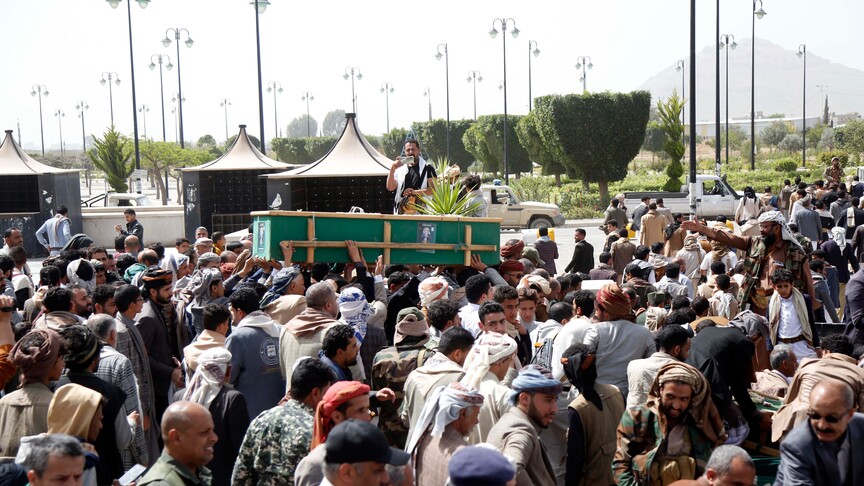
Maj. Gen. Mohammed Salem al-Khawlani, the highest-ranking Yemeni security official killed since escalation resumed in July, died in clashes with Houthis in Taiz. [1] The Yemeni army reported downing Houthi drones over Aden and striking targets in Sanaa, Saada and Taiz. [4] Intense clashes erupted on the northern front of the city of Taiz, according to the Taiz Military Axis. [4] These developments reflect ongoing fighting in one of the most dangerous countries in the region, where both sides have traded strikes and drone interceptions amid broader instability.
Pakistan Strikes TTP Militants Amid Border Violence
Pakistan security forces killed seven TTP militants in an intelligence-based operation in North Waziristan, destroyed hideouts, and faced a separate TTP-claimed roadside bomb and gunfire attack on paramilitary troops in Kurram district. [3] Khyber Pakhtunkhwa province accounted for 71 percent of Pakistan's violence-related deaths in Q3 2025, with TTP ending its ceasefire in 2022 and intensifying attacks. [3] The operation took place in Eidak under the government's Azm-e-Istehkam move, with security forces also destroying several hideouts. [3] Khyber Pakhtunkhwa recorded 638 violence-related deaths along with 221 violent incidents during that quarter. [3] Khyber Pakhtunkhwa and Balochistan together accounted for more than 96 percent of militant-related violence recorded in Pakistan during that period. [3] These events underscore patterns of violence in some of the most dangerous countries bordering Afghanistan.
Russian Escalation Targets Ukrainian Civilians
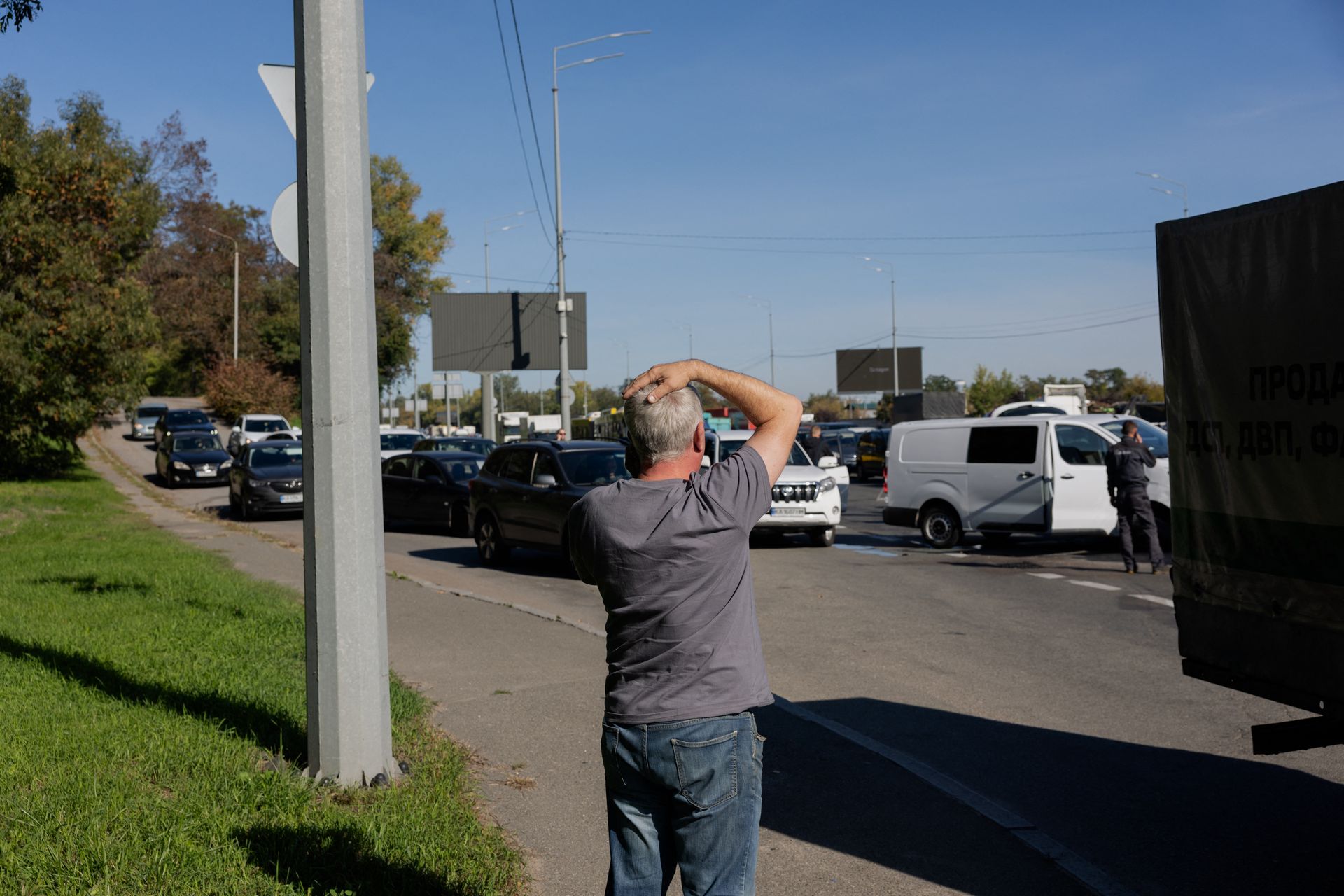
Russia has intensified strikes on Ukrainian civilian infrastructure including hospitals, power plants and cultural sites in Kyiv and Odesa, increased monthly missile production to over 200, and expanded hybrid sabotage and disinformation operations across Europe while rejecting Ukrainian ceasefire proposals. [2] The reaction immediate of Moscow has been an intensification of attacks against civilians and an expansion of hybrid operations. [2] The intensification reflects in part a redefinition of priorities of limited offensive resources toward the capital, alongside growing production capacity that allows Russia to produce over 200 cruise and ballistic missiles per month. [2]
Hybrid Operations Expand Across Europe
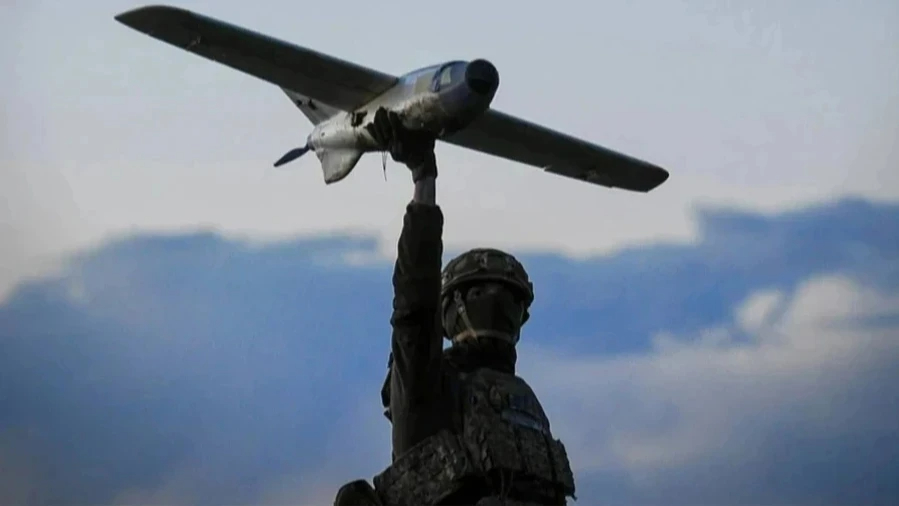
Russia has intensified strikes on Ukrainian civilian infrastructure including hospitals, power plants and cultural sites in Kyiv and Odesa, increased monthly missile production to over 200, and expanded hybrid sabotage and disinformation operations across Europe while rejecting Ukrainian ceasefire proposals. [2] In Europe the escalation hybrid is already increasing and will probably intensify further, with Russia likely to increase cyber sabotage, attacks against defense producers, logistics hubs, railways, airports and ports, GPS signal interference, airspace violations, drone intrusions and disinformation campaigns timed with elections. [2] These operations exploit ambiguity, delay attribution and complicate responses. [2]
Risks of Further Escalation in 2026-2027
Russia has intensified strikes on Ukrainian civilian infrastructure including hospitals, power plants and cultural sites in Kyiv and Odesa, increased monthly missile production to over 200, and expanded hybrid sabotage and disinformation operations across Europe while rejecting Ukrainian ceasefire proposals. [2] Russia could try to involve Belarus again in the war, deploy more North Korean troops, recruit foreign mercenaries or launch a mass mobilization. [2] For escalation with weapons of mass destruction, Russia has already used methods that approach the use of such weapons, including attacks on nuclear plants, destruction of the Kakhovka dam and use of toxic chemicals. [2] The most extreme options carry high costs for Moscow because breaking the nuclear taboo would shock the global security system and could trigger strong reactions even from China and India. [2]
What to watch next: Ukraine's continued deep strikes could further damage Russian energy and logistics infrastructure, while Russia may pursue larger-scale low-cost missile production or additional hybrid actions timed with European elections.