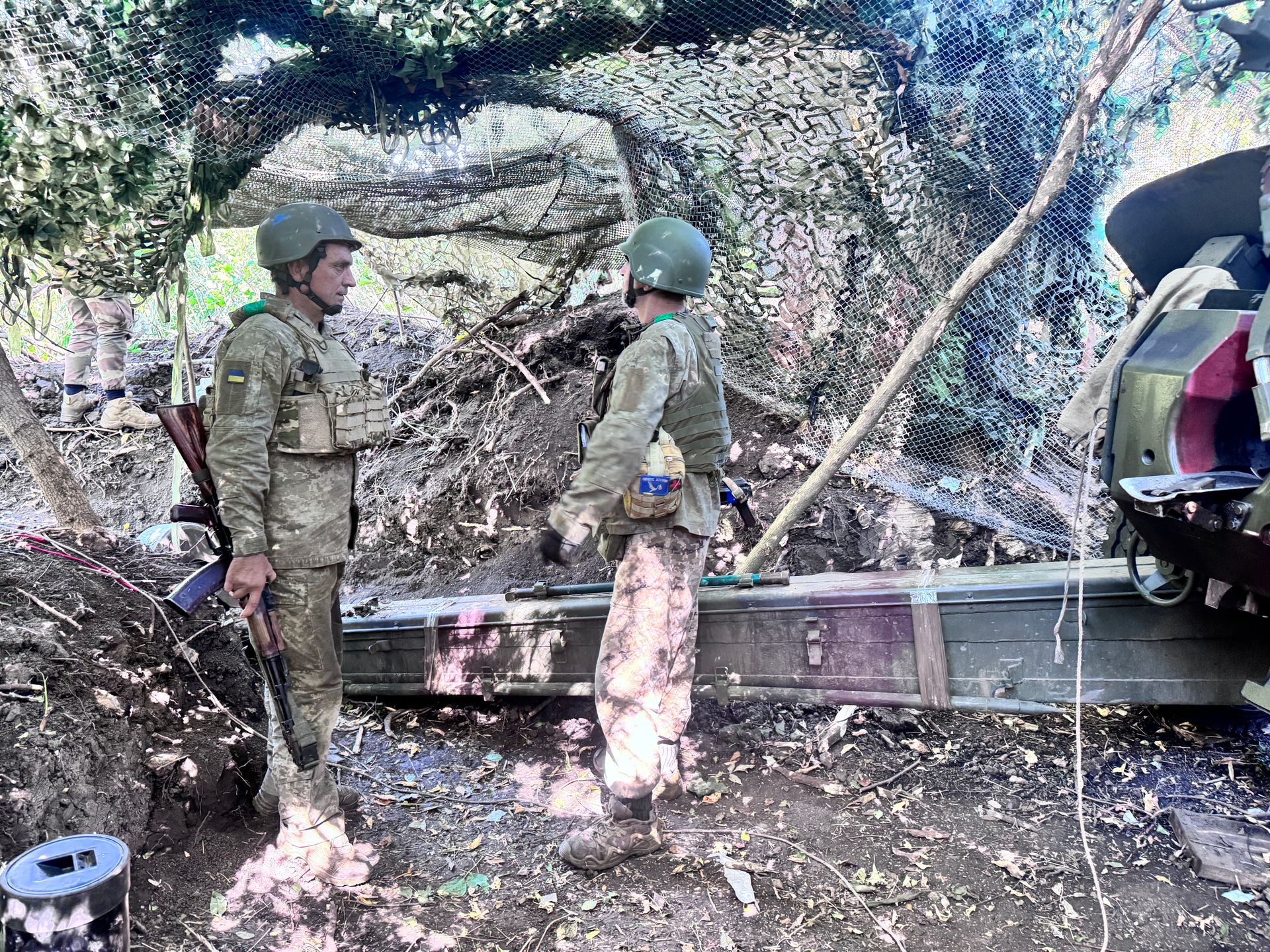

WW3 Map Updates Show Russian Small-Group Assaults Replace Tanks on Ukraine Front
ww3 map updates reflect how Russian forces have shifted to small-group and solo infantry assaults on the northeastern front in Ukraine to navigate an extensive 20-kilometer "kill zone" dominated by drones, largely abandoning the use of tanks except under specific conditions. [1]
Evolving Russian Assault Tactics
Russian assault tactics have changed over the past year, with troops now attacking in groups of just a few soldiers, or sometimes individually, in an effort to get through the "kill zone," Joint Forces Task Force spokesperson Viktor Trehubov said on Sept. 20. [1] Small groups or individual soldiers who make it past the "kill zone" hide in cover and wait for the others to follow in order to start planning how to assault further in more organized groups, Ukrainian news agency Ukrinform cited Trehubov as saying. [1] He said that Russian troops are reducing the number of soldiers they send on assaults each time, struggling with the "kill zone" on the northeastern front. [1] The statement comes as marching through the stretch of land between the rear and the front lines becomes deadlier than ever due to both sides' advancement of drones. [1] Both sides are now trying to reduce the number of soldiers in each group to make it harder for drones to spot them. [1] The prevalence of drones from both sides has significantly changed assault tactics, making heavy equipment such as tanks a rare sight on the battlefield. [1] With the "kill zone" reaching 20 kilometers (12.4 miles), Russia has largely stopped using tanks or other heavy equipment for assault operations, according to Trehubov. [1] Drones have replaced many of the tanks' roles for both sides, since driving a tank close to the front would be easily spotted and hit by much cheaper drones. [1] Ukrainian mechanized brigades also told the Kyiv Independent this spring that their tank crews rarely deploy in the current drone-dominated phase of the war. [1] "So, under our current conditions, tanks have gradually moved not just to the back seat, but to the third row," Ukrinform cited Trehubov as saying on television. [1] The only exception, he said, is when Russia can afford to provide "mass drone support" to send tanks into the "kill zone" or if the weather is unsuitable for Ukrainian drones to fly, such as during rain or fog. [1]
Impact of Drones on Battlefield Equipment
Russian troops now attack in groups of just a few soldiers or individually to pass the "kill zone," then hide in cover to regroup for organized assaults. [1] Both sides have reduced soldier numbers per group to evade drone detection, making heavy equipment like tanks rare on the battlefield. [1] Drones have replaced many traditional tank roles, as driving tanks near the front line leads to easy detection and destruction by cheaper drones. [1] Tanks are only used when Russia provides mass drone support or during weather like rain or fog that prevents Ukrainian drone flights. [1] The prevalence of drones from both sides has significantly changed assault tactics, making heavy equipment such as tanks a rare sight on the battlefield. [1] With the "kill zone" reaching 20 kilometers (12.4 miles), Russia has largely stopped using tanks or other heavy equipment for assault operations, according to Trehubov. [1] Drones have replaced many of the tanks' roles for both sides, since driving a tank close to the front would be easily spotted and hit by much cheaper drones. [1] Ukrainian mechanized brigades also told the Kyiv Independent this spring that their tank crews rarely deploy in the current drone-dominated phase of the war. [1] "So, under our current conditions, tanks have gradually moved not just to the back seat, but to the third row," Ukrinform cited Trehubov as saying on television. [1] The only exception, he said, is when Russia can afford to provide "mass drone support" to send tanks into the "kill zone" or if the weather is unsuitable for Ukrainian drones to fly, such as during rain or fog. [1]
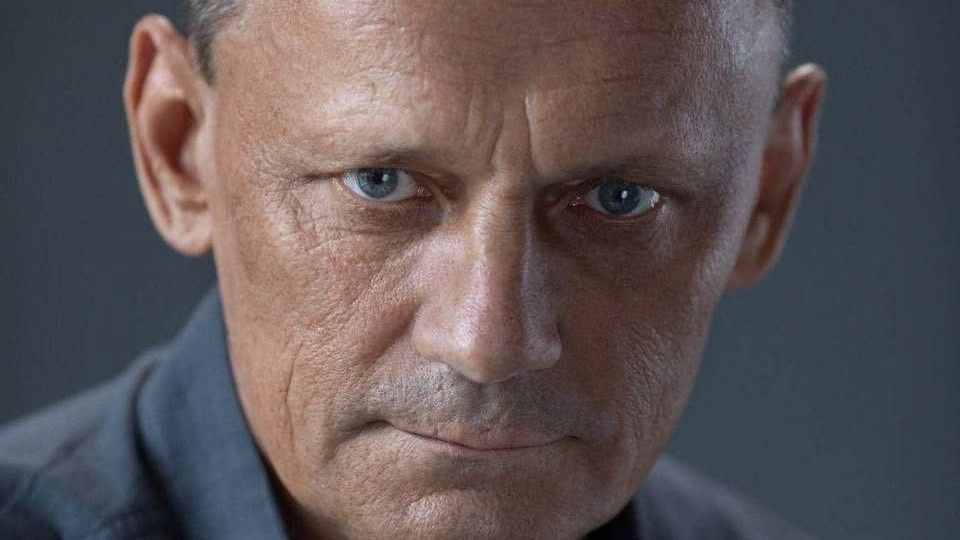
Former Kremlin political prisoner Mykola Karpiuk killed in action in Ukraine. — Source: ukrainskapravda
Ukrainian Observations of the Northeastern Front
Russian assault tactics have changed over the past year, with troops now attacking in groups of just a few soldiers, or sometimes individually, in an effort to get through the "kill zone," Joint Forces Task Force spokesperson Viktor Trehubov said on Sept. 20. [1] Small groups or individual soldiers who make it past the "kill zone" hide in cover and wait for the others to follow in order to start planning how to assault further in more organized groups, Ukrainian news agency Ukrinform cited Trehubov as saying. [1] He said that Russian troops are reducing the number of soldiers they send on assaults each time, struggling with the "kill zone" on the northeastern front. [1] The statement comes as marching through the stretch of land between the rear and the front lines becomes deadlier than ever due to both sides' advancement of drones. [1] Both sides are now trying to reduce the number of soldiers in each group to make it harder for drones to spot them. [1] The prevalence of drones from both sides has significantly changed assault tactics, making heavy equipment such as tanks a rare sight on the battlefield. [1] With the "kill zone" reaching 20 kilometers (12.4 miles), Russia has largely stopped using tanks or other heavy equipment for assault operations, according to Trehubov. [1] Drones have replaced many of the tanks' roles for both sides, since driving a tank close to the front would be easily spotted and hit by much cheaper drones. [1] Ukrainian mechanized brigades also told the Kyiv Independent this spring that their tank crews rarely deploy in the current drone-dominated phase of the war. [1] "So, under our current conditions, tanks have gradually moved not just to the back seat, but to the third row," Ukrinform cited Trehubov as saying on television. [1] The only exception, he said, is when Russia can afford to provide "mass drone support" to send tanks into the "kill zone" or if the weather is unsuitable for Ukrainian drones to fly, such as during rain or fog. [1]
Death of Mykola Karpiuk
Former Kremlin political prisoner Mykola Karpiuk, aged 62, was killed in action on the frontline on 19 September after volunteering to fight despite his age. [2] Mykola Karpiuk has been killed in action. [2] Mykola was killed on 19 September at the frontline, said his friend Artur Palatnyi. [2] Artur noted that Mykola "went to fight to defend his native land even after turning 60, because for him love for Ukraine was not words, but the work of a lifetime." [2] Mykola was 62 years old. [2] He was born in Rivne Oblast, participated in the Ukraine without Kuchma protest, the Orange Revolution, and the Revolution of Dignity. [2] After the Revolution of Dignity, he became deputy head of the Right Sector political wing. [2] Mykola Karpiuk and Stanislav Klykh were sentenced in Russia in 2016 to 22 years and six months and 20 years, respectively, on charges of killing Russian citizens in Chechnya in the 1990s. [2] In court, both stated that their testimony had been extracted under torture and threats of violence against their families, and they did not admit guilt. [2] Stanislav served his sentence in Chelyabinsk Oblast, Mykola – in Vladimir Oblast of the Russian Federation. [2] On 7 September 2019, 35 people returned to Ukraine as part of an exchange, including 24 captured sailors and political prisoners Sentsov, Kolchenko, Balukh, Sushchenko, Karpiuk, Klykh, Hryb, Bekirov, Syzonovych and Yevhen and Artur Panov. [2] Mykola recounted that he and another political prisoner, Stanislav Klykh, were tortured in Russia. [2] Later, former political prisoners Mykola Karpiuk and Volodymyr Balukh worked in the Office of the Ukrainian Human Rights Commissioner. [2]
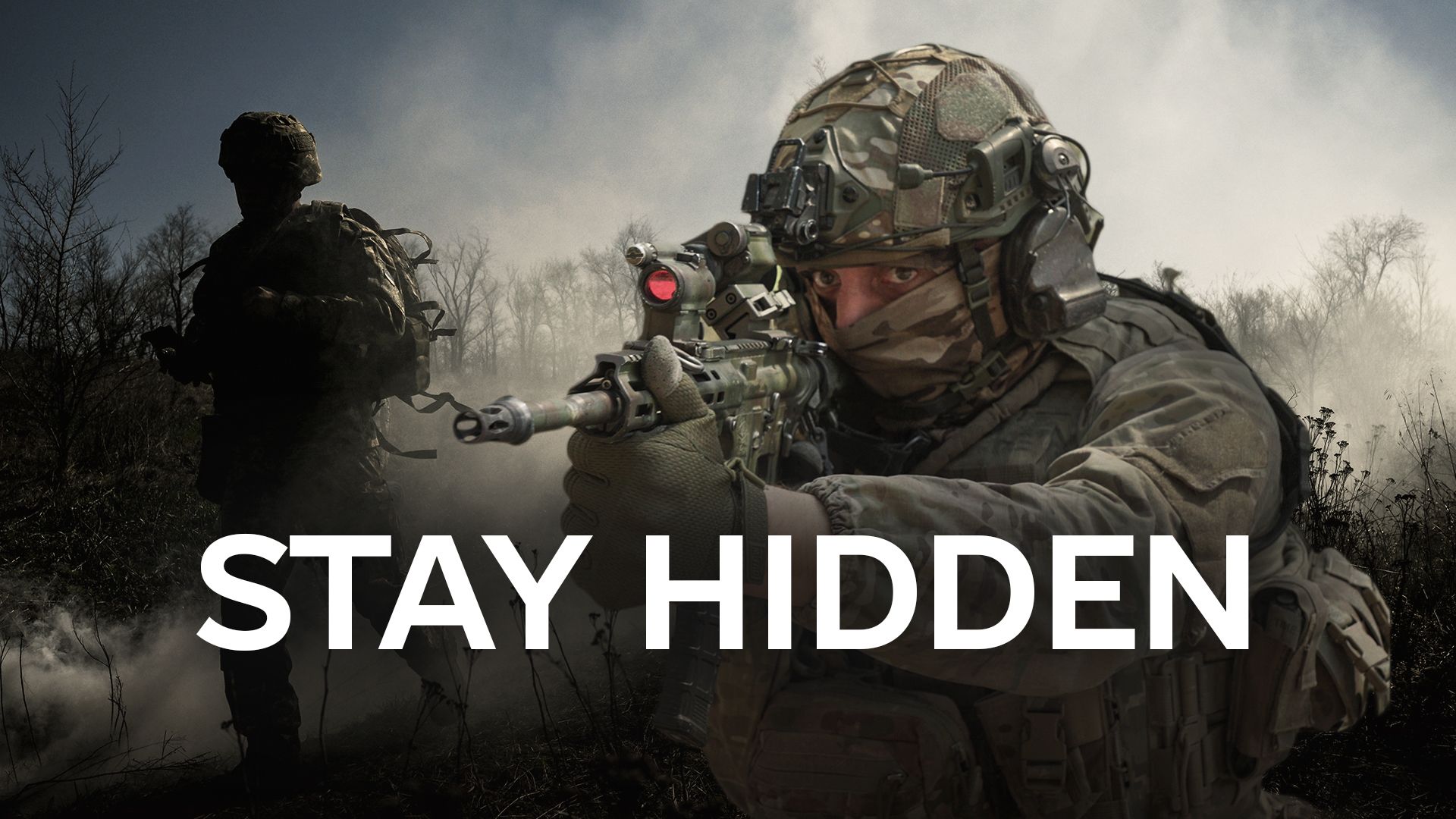
Ukrainian reconnaissance soldiers operate in drone-dominated kill zone on northeastern front. — Source: kyivindependent
Role of Reconnaissance Soldiers
Drones cannot fully replace human reconnaissance troops, based on operations observed with the 60th Mechanized Brigade. [3] The Kyiv Independent's Nick Allard and Asami Terajima travel to Kharkiv Oblast to meet reconnaissance soldiers from Ukraine's 60th Mechanized Brigade, part of the 3rd Army Corps, and witness the training required to perform one of the army's most dangerous roles. [3]
Brigade Training and Operational Demands
Drones cannot fully replace human reconnaissance troops, based on operations observed with the 60th Mechanized Brigade. [3] The Kyiv Independent's Nick Allard and Asami Terajima travel to Kharkiv Oblast to meet reconnaissance soldiers from Ukraine's 60th Mechanized Brigade, part of the 3rd Army Corps, and witness the training required to perform one of the army's most dangerous roles. [3] The prevalence of drones from both sides has significantly changed assault tactics, making heavy equipment such as tanks a rare sight on the battlefield. [1]
What to watch next: Small groups or individual soldiers who make it past the "kill zone" hide in cover and wait for the others to follow in order to start planning how to assault further in more organized groups, Ukrainian news agency Ukrinform cited Trehubov as saying. [1]







