WW3 Map Updates Show Russian Plan to Intensify Winter Strikes on Ukraine Energy Grid
European and US officials have assessed that Russia plans to intensify strikes on Ukraine’s energy and heating infrastructure this winter in an effort to test Ukrainian resilience and the commitment of its allies, according to reports drawing on ww3 map developments.
Russian Winter Offensive Plans
European and US officials have resigned themselves to Russia's war against Ukraine continuing into next year, as the latest US peace initiative has failed to make progress. According to European officials familiar with the situation, Russian leader Vladimir Putin intends to intensify attacks on Ukraine over the winter to test its resilience and the resolve of Kyiv's allies. [4] US President Donald Trump's envoys Jared Kushner and Steve Witkoff made no significant progress during their talks in Moscow and Kyiv. [4] The officials said Putin has shown no signs of softening his position and wants to take control of the whole of Donetsk Oblast as part of any agreement to end the war. [4] Russia's plan for the next six months is to intensify strikes on Ukraine's energy and heating infrastructure in an attempt to make life unbearable for civilians and step up hybrid attacks and political interference in Europe to undermine support for Kyiv. [4] A source added that Putin expects to emerge in a stronger position next spring while keeping Russia's increasingly strained economy afloat. [4] Another source said serious negotiations are unlikely to take place until at least next year. [4]
Military Losses and Battlefield Dynamics
Russian forces have suffered total personnel losses of 1,500,870 since February 2022, including 1,480 killed or wounded in the past day. [2] The total combat losses of the Russian forces between 24 February 2022 and 9 September 2026 include approximately 1,500,870 military personnel along with 12,338 tanks, 25,290 armoured combat vehicles, 49,383 artillery systems, 2,105 multiple-launch rocket systems, 1,613 air defence systems, 441 fixed-wing aircraft, 355 helicopters, 2,534 ground robotic systems, 506,188 operational-tactical UAVs, 5,103 cruise missiles, 35 ships/boats, 2 submarines, 146,008 vehicles and fuel tankers, and 4,650 special vehicles and other equipment. [2] It is a serious problem that the character of the conflict has changed from a drone war where Ukraine was gaining an advantage. [3] Now missiles dominate the Russian attacks, with dozens of ballistic missiles thundering down in and around Kyiv night after night at speeds of several thousand kilometres per hour, leaving short warning times and causing large damage. [3] Ukraine is nearly out of the missiles that can stop such attacks, and there is a shortage across the board. [3] Russia has also successfully fitted jet engines to the large attack drones that have long plagued Ukraine, making the drones faster and much harder to shoot down. [3] One such drone hit the headquarters of the security service SBU in central Kyiv last week. [3]
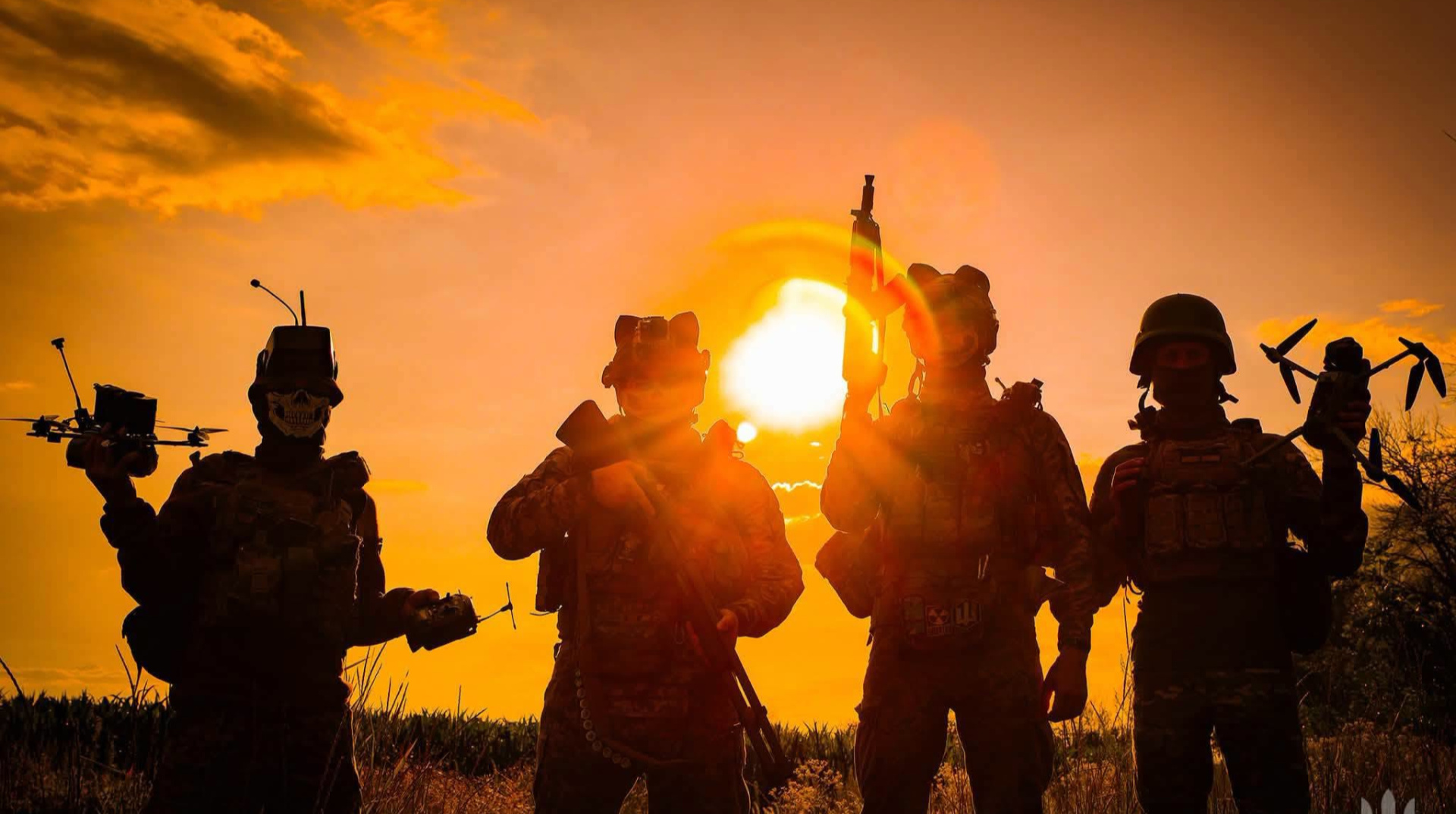
Russian forces have suffered over 1.5 million casualties in Ukraine since 2022. — Source: ukrainskapravda
Impact on Ukrainian Infrastructure and Culture
This summer, Russian strikes severely affected the publishing industry, destroying dozens of warehouses and logistics centres. [1] Millions of books and textbooks have been lost. [1] For many Ukrainians, these attacks are part of an effort to erase their linguistic and cultural identity. [1]
Diplomatic Efforts and Stalled Talks
US President Donald Trump's envoys Jared Kushner and Steve Witkoff made no significant progress during their talks in Moscow and Kyiv. [4] The officials said Putin has shown no signs of softening his position and wants to take control of the whole of Donetsk Oblast as part of any agreement to end the war. [4] A Bloomberg source added that Putin expects to emerge in a stronger position next spring while keeping Russia's increasingly strained economy afloat. [4] Another source said serious negotiations are unlikely to take place until at least next year. [4] Officials said Ukraine's allies should respond by prioritising the delivery of air defence interceptors to help Kyiv defend itself. [4] Trilateral talks between representatives of the US, Russia and Ukraine could resume after Russia's State Duma elections, although such discussions are unlikely to have a significant impact on reaching a peace agreement. [4] A source at the Élysée Palace said Putin would be ready to resume peace negotiations on Ukraine after the Russian parliamentary elections on 18-20 September. [4] Ukrainian President Volodymyr Zelenskyy said after meeting US envoys that he had received a message from them that the Russians are ready to negotiate. [4] Following his meeting with Trump's special envoys, Zelenskyy also announced preparations for further meetings and the relevant communication. [4] Exactly two months ago, Ukraine’s momentum was all the talk at a Nato summit in Turkey, with its long-range drones and Donald Trump’s surprise announcement that the US would allow Kyiv to produce Patriot anti-ballistic missiles on home soil. [5] Trump's deal has yet to materialise, Russia has ramped up cruise missile launches, and Ukraine has run out of air defences to stop them. [5] Moscow is also failing to stop incoming missiles. [5]
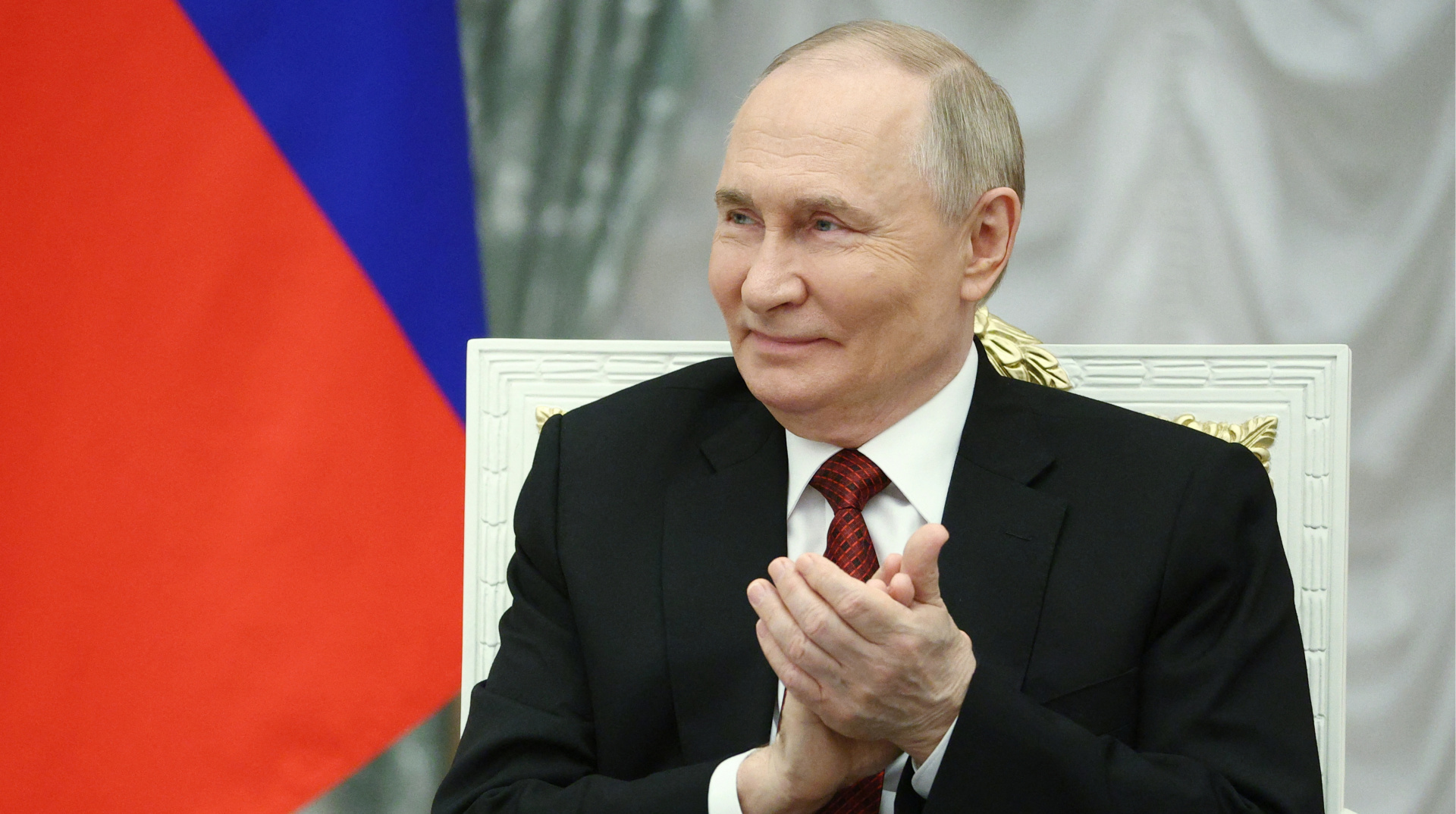
Russian forces plan intensified winter strikes on Ukraine energy infrastructure to test resilience. — Source: ukrainskapravda
Internal Ukrainian Pressures
Ukrainian President Volodymyr Zelenskyy travelled to Oslo for a state funeral, underscoring Norway’s strong support amid mounting internal pressures including corruption scandals and calls for elections. [3] He met King Harald several times, and by participating in the funeral he also showed his connection to the Norwegian people. [3] Norway is among Ukraine's strongest and most important supporters. [3] The Ukrainian presidential plane landed at Oslo Airport on Tuesday evening. [3] These are tough days for Ukrainians, and the signs that the war is taking its toll are becoming more numerous. [3] Belief that the Americans are capable of stopping Putin has not grown. [3] Russian attacks are claiming more and more civilian lives, and everyday life is becoming more and more unbearable step by step. [3] A few months ago things looked almost bright, with Ukraine taking more land and succeeding in hitting important targets deep inside Russia while the Russian economy was under pressure. [3] All this still holds true. [3] But the war is also wearing on internal conditions after 4.5 years of war against what is essentially a military superior power. [3] Problems must be solved, even if it is understandable that things are creaking here and there. [3] One absurd example that has received some attention is an incident last week in which soldiers from Ukraine's two security services attacked each other. [3] Interest conflicts between different agencies are a known issue, but it is a terribly bad sign that they end up using violence against each other. [3] Zelenskyy's reaction was hard and firm, but such incidents still become a problem for him. [3] There is increasingly frequent criticism of the authorities that they are not well enough prepared for the coming winter. [3] The population fears that they have an even worse one in store than the previous one. [3] For several weeks there was a lack of electricity, heating and water for weeks in large cities. [3] Corruption scandals also continue to emerge. [3] It is very positive that Ukraine's own anti-corruption agencies themselves uncover possible corruption, and the cases also have consequences for those who have grabbed common funds in the middle of a war. [3] But all the cases are worrying. [3] Therefore, the point is approaching where an election is necessary to ensure the legitimacy of the political leadership. [3] President Zelenskyy has done a formidable job of leading a country at war in what was already a motley democracy. [3] But at some point he too needs a new mandate from the people. [3] The defence minister he recently fired, Mykhajlo Fedorov, is among those now speaking loudly about it. [3] Since the full-scale war broke out, there has been broad agreement in the Ukrainian population that an election must wait, despite the election period having expired a couple of years ago. [3] The practical obstacles to holding an election are endless, and people know it. [3] How are soldiers at the front to vote? Will people be attacked while standing in line? What about those living in occupied areas? How are all those who fled abroad to vote? [3] But the pressure is mounting, and it will probably happen before Trump is man enough to push Putin as hard as he should. [3]
Allied Response Considerations
Officials said Ukraine's allies should respond by prioritising the delivery of air defence interceptors to help Kyiv defend itself. [4] Ukraine is nearly out of the missiles that can stop such attacks, and there is a shortage across the board, so Zelenskyy has a demanding job when he is to get other countries to share from their stocks. [3] It is only to be realised that it will take a long time to produce enough of such air defence missiles, quickly enough and cheaply enough. [3] Trilateral talks between representatives of the US, Russia and Ukraine could resume after Russia's State Duma elections, although such discussions are unlikely to have a significant impact on reaching a peace agreement. [4] What happens in war when for both sides, offense proves better than defense? [5] Could this lose-lose situation make mediation efforts like the one undertaken in the past days by Donald Trump’s emissaries more relevant? [5]
What to watch next: Officials said serious negotiations are unlikely to take place until at least next year, with trilateral talks between representatives of the US, Russia and Ukraine possibly resuming after Russia's State Duma elections on 18-20 September though unlikely to have a significant impact.