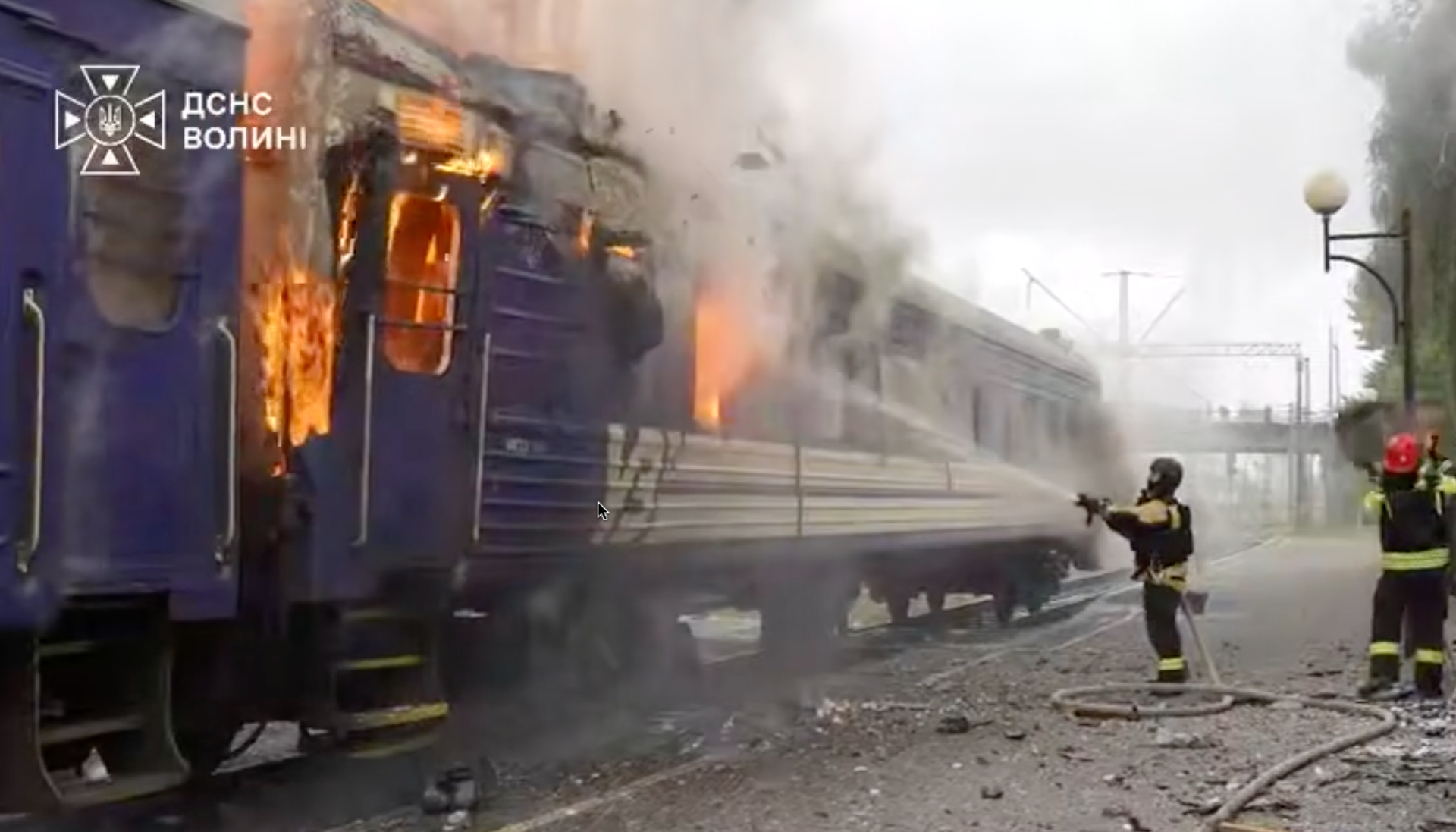
WW3 Map Updates Show Iranian Clashes Killing Eight in Southeast Province
Multiple conflicts escalated on 12 September 2026 with Iranian security forces clashing with gunmen in the southeast, a drone crossing into Romania from Ukraine, and Iran-linked groups intensifying pressure on Saudi energy routes through attacks on a key oil pipeline and advances in the Red Sea, according to the latest ww3 map developments. Three Iranian security force members and five gunmen were killed in clashes in Sistan-Baluchistan province near Saravan, with weapons and explosives seized. [1] A drone that crossed Ukrainian and Moldovan airspace crashed in a Romanian cornfield, causing a small fire and crater but no casualties. [4] Saudi Arabia temporarily shut its East-West oil pipeline after a drone attack from Iraqi territory, disrupting an alternative route carrying 4-5 million barrels per day. [3] Iran-backed Houthis seized the island of Perim in the Bab el-Mandeb Strait and advanced along Yemen's Red Sea coast, targeting Saudi shipping. [3] Israel continued abductions of Lebanese civilians in southern border villages as bargaining chips in negotiations, releasing some detainees while maintaining operational control over areas. [5]
Clashes in Iran's Southeast
Iranian state television reported that three members of Iran's security forces were killed in clashes with gunmen on Saturday in the country's southeast. [1] State television initially said four gunmen were also killed during the operation against "terrorists" in Iran's southeast. [1] Iran's Revolutionary Guards later updated the toll to five gunmen dead, in a statement carried by state TV. [1] State television, which did not specify if the gunmen were affiliated with any organisation, said they were planning a "terrorist operation" in the city of Saravan, which lies more than 1,300 kilometres from the capital Tehran. [1] Iranian forces also seized "weapons, ammunition and explosives", the statement added. [1] The operation took place in Sistan-Baluchistan province, one of Iran's poorest regions that borders Pakistan and Afghanistan. [1] Security forces regularly clash with armed groups in the area. [1] On Tuesday, a commander in Iran's Basij paramilitary force, which is affiliated with the Revolutionary Guards, was killed in an attack in Sistan-Baluchistan. [1] The region is home to a large Baloch ethnic minority, who practise Sunni Islam in Shia-majority Iran. [1]
Drone Incident Reaches Romania
A crashed drone was found in a cornfield in the Botoșenița Mare area of Suceava County, Romania, on the afternoon of 12 September. [4] The drone's impact with the ground caused a small fire and left a crater approximately one metre in diameter. [4] Earlier, the authorities sent an RO-Alert message to Suceava County after Ukraine and Moldova reported the presence of a drone. [4] On Saturday, 12 September, the Air Operations Control Centres of Ukraine and the Republic of Moldova informed the Ministry of National Defence that a drone had crossed the airspace of both countries, heading towards north-eastern Romania. [4] Two Romanian Air Force F-16 aircraft took off from the 86th Air Base in Borcea to monitor the situation. [4] The National Military Command Centre informed the General Inspectorate for Emergency Situations that public warning measures were being introduced in Botoșani County, sending an RO-Alert message at 16:20. [4] At the same time, the 112 emergency service received a report of a drone over the village of Știubieni in Botoșani County. [4] Following reconnaissance conducted by the Ministry of Internal Affairs, an aircraft that had crashed was found in a cornfield in the Botoșenița Mare area of Suceava County. [4] The impact caused a small fire and left a crater approximately one metre in diameter and 30 cm deep. [4] No casualties were reported. [4] A pyrotechnics team from the Romanian Intelligence Service is heading to the scene to assess the situation. [4] In Romania, debris from numerous UAVs was found throughout 11 September, with some of the drones carrying warheads. [4] On 10 September, drone wreckage was also found on a beach in Romania. [4] On the morning of 11 September, Romania scrambled F-16 fighter jets to monitor aerial assets near the border with Ukraine. [4]
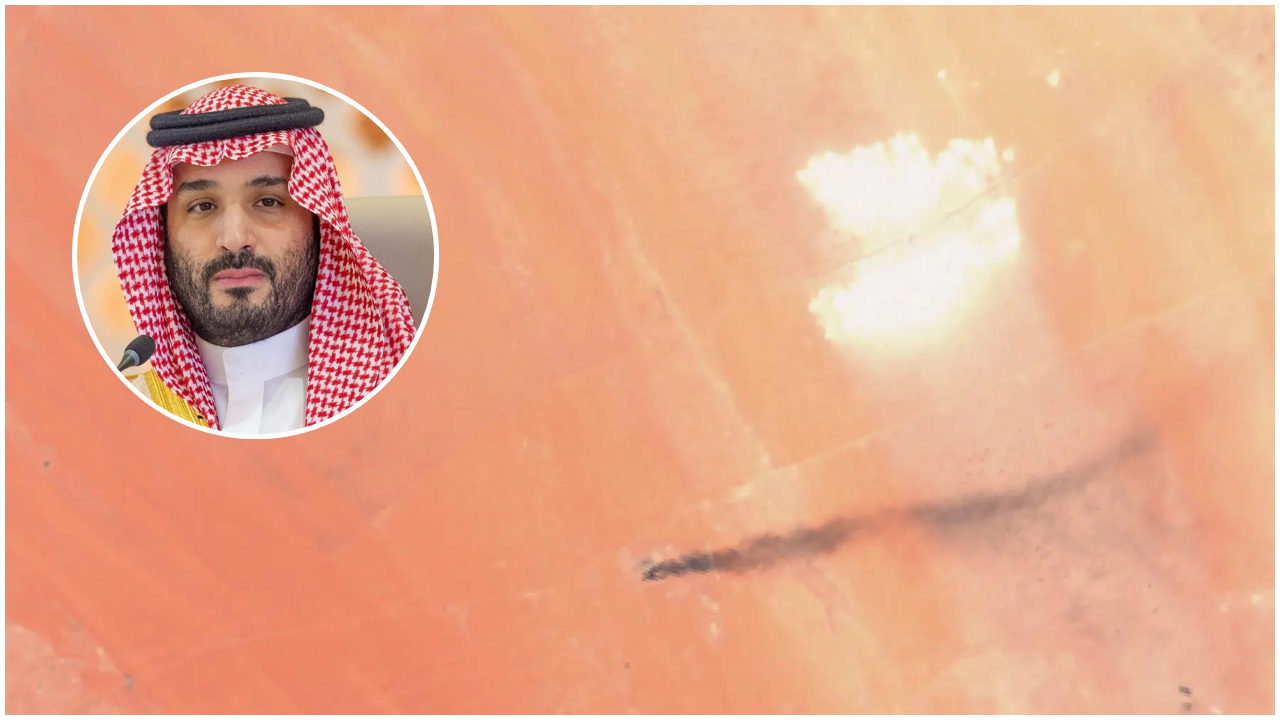
Iran-linked groups intensify attacks on Saudi energy routes from Iraq to Yemen. — Source: timesofindia
Saudi Pipeline Attack and Iraqi Links
Saudi Arabia on Saturday has temporarily shut down its East-West oil pipeline after a drone attack on the vital energy conduit. [3] Saudi Arabia and Iraq have said the drones originated from Iraqi territory, where Iran-backed militias operate. [3] Iraq has ordered an investigation and dismissed two senior officials following the attack, while an umbrella group of Iran-backed Iraqi militias has denied responsibility. [3] The pipeline runs across the Arabian Peninsula from Saudi Arabia’s major oil fields in the east to the Red Sea in the west. [3] According to Reuters, the pipeline had been transporting around 4 million to 5 million barrels of crude oil per day over the past six months. [3] Satellite images showed black smoke rising from an area of the pipeline south of Medina. [3] The Saudi foreign ministry said the attack caused some injuries and damage, which was being assessed. [3] Both Baghdad and Riyadh said the drones involved in the attack originated in Iraq. [3] Iraq has responded by ordering an investigation into the incident. [3] Prime Minister Ali al-Zaidi ordered an investigation into the operations command in Maysan province, along Iraq’s border with Iran, and dismissed the provincial military commander. [3] The provincial police chief was also dismissed. [3] Iraq also closed two key border crossings with Iran. [3] Maysan is an area near the Iranian frontier where Iran-backed Shiite militias have long maintained influence. [3] An umbrella group of Iran-backed militias in Iraq denied involvement in the Saudi pipeline attack, while praising the Houthis for what it described as their battlefield victories against Saudi forces. [3]
Houthi Advances in the Red Sea
The pipeline attack came as Houthi rebels in Yemen stepped up their campaign around the Red Sea. [3] Four Yemeni government sources told Reuters that the Houthis had seized the strategic island of Perim on Friday in the Bab el-Mandeb Strait. [3] The Houthis have also advanced along Yemen’s Red Sea coast, including the seizure of the port city of Mokha and a Red Sea island from Saudi-backed Yemeni government forces. [3] The Bab el-Mandeb is another major international shipping route, as around 12% of global trade passes through the strait. [3] The Houthis have declared a blockade of Saudi shipping and resumed large-scale attacks after a period of reduced activity. [3] Iran describes the Houthis as an ally but publicly denies directing their military operations. [3] Iranian sources quoted by Reuters said the Revolutionary Guards had provided direct guidance to the Houthis and that Iran had urged them to escalate attacks on Saudi Arabia. [3] The Houthi military spokesperson, Yahya Saree, said maritime navigation remained safe for all shipping except Saudi vessels covered by a previously announced ban. [3] Saudi Crown Prince Mohammed bin Salman spoke to Trump on Thursday and asked for US military help in fighting the Houthis. [3] The sources said Washington had told the Saudi leadership that it would not intervene directly for now but would provide intelligence assistance. [3] Trump confirmed on Saturday that he had spoken to the crown prince. [3] Trump said Iran was “probably” behind the Saudi pipeline attack. [3] A Saudi official said the kingdom would defend itself and work with partners, including the US, to ensure freedom of navigation in the Red Sea. [3] Saudi Arabia has so far chosen not to retaliate over the pipeline attack. [3] The Saudi foreign ministry said the kingdom had decided against retaliation following a request from the Iraqi prime minister. [3]
Lebanese Civilians in Israeli Operations
Lebanese farmer Saleh woke up before dawn on 3 September to harvest his fig trees in the southern Lebanese border village of Halta. [5] When he stepped out and saw lights outside his neighbours' house, abandoned during the war, Saleh knew an Israeli army unit was there. [5] The Israeli soldiers were searching houses in the village and called three residents on their mobile phones instructing them to come outside. [5] After several hours of interrogations, they took the three men away, including Hatem Abdel-Aal, a member of the municipal council. [5] The Israeli army returned Hatem at around midnight. [5] Hours after Israeli forces kidnapped the three residents from Halta, Israel announced it was freeing five detainees, including two Syrian nationals, upon concluding that they were not related to Hezbollah. [5] The fate of Lebanese detainees held in Israel has been on the agenda of US-mediated negotiations between Israel and Lebanon. [5] Earlier this week, US ambassador to Lebanon Michel Issa met with Israeli Prime Minister Benjamin Netanyahu in Tel Aviv to attempt to break the impasse in negotiations. [5] The subsequent release of detainees was hailed by Lebanese Prime Minister Nawaf Salam as the successful result of Issa’s efforts. [5] Halta is a Sunni village of some 350 residents on the outskirts of Kfarchouba, near the border with the Israeli-occupied Syrian Golan Heights. [5] In May, Israeli soldiers abducted three farmers belonging to the Atiyyeh family while they worked the land. [5] Lubna Salha, a member of Kfarchouba’s municipality, says the village has repeatedly tried to find information on their whereabouts through the Red Cross and the UN Interim Force in Lebanon, to no avail. [5] More than four months after their forced disappearance, their fate remains unknown. [5] Analysts told MEE that Israel’s return of some Lebanese detainees was merely a symbolic gesture. [5] The ridge sits at the edge of Israel’s self-proclaimed ‘buffer zone’ and overlooks the major southern Lebanese city of Nabatieh. [5] Lebanese President Joseph Aoun expressed his gratitude for the Trump administration’s role in the release of the detainees in a statement last Friday. [5] Local media reports say the next round of negotiations between Israel and Lebanon could be held on 15-16 September. [5]
Broader Regional Strain
The developments come after oil prices rose sharply over the past week as the conflict disrupted several major energy and shipping routes. [3] The US retail price of diesel also rose above $6 a gallon. [3] The combination of the Strait of Hormuz disruption, the Saudi pipeline shutdown and pressure around the Bab el-Mandeb has increased the number of routes facing disruption for energy and commercial shipping. [3] For Saudi Arabia, the pipeline had provided an important alternative to the Strait of Hormuz. [3] Its temporary closure therefore comes at a time when the kingdom is already facing pressure on its oil. [3] Iran’s foreign ministry said on Friday that Tehran would attend a meeting with Gulf Arab states in Oman on Monday to discuss the future of the Strait of Hormuz. [3] A senior Iranian official played down expectations of a breakthrough, saying the meeting had been called at Oman’s initiative and was not expected to produce a signed agreement. [3] Bahrain said on Saturday that it would not attend a meeting involving Iran before diplomatic relations between the two countries were restored. [3] Iran wants its control over the Strait of Hormuz to be recognised, including allowing it to collect fees from ships using the waterway. [3] Washington rejects that position. [3]
What to watch next: Iran’s parliamentary national security committee head Ebrahim Azizi said dialogue with the US would not be useful unless Washington accepted all of Iran’s conditions, while the next round of Israel-Lebanon negotiations is slated for 15-16 September.