
World Conflict Map: Iraq's Drone Warfare Frontier – Technological Shifts Amid Heightened Strikes
World Conflict Map: Breaking Developments in the Strikes
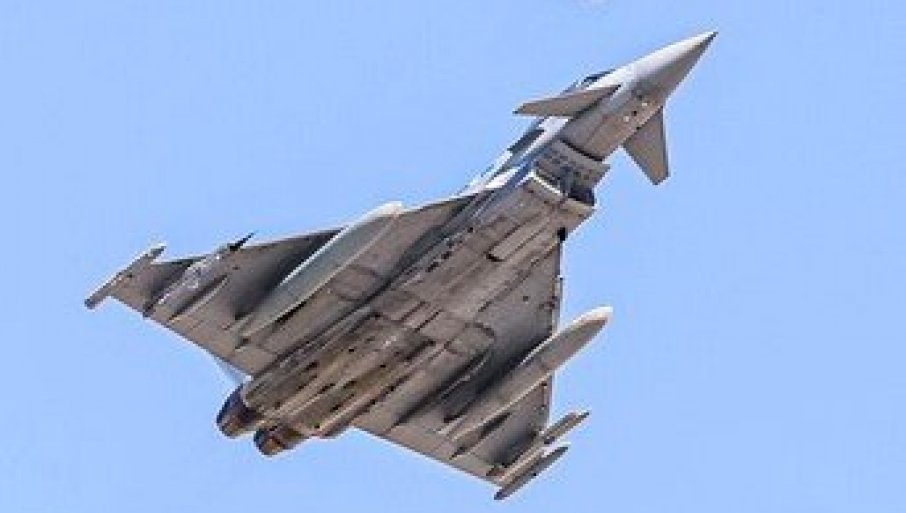
The latest volleys in Iraq's spiraling conflict erupted on March 24, 2026, transforming western Iraq's arid expanses into a high-tech kill zone. British forces, operating under coalition auspices, reported neutralizing 14 Iranian-manufactured drones mid-flight over Iraqi airspace – a record for a single engagement since hostilities ramped up earlier this year. According to reports from Serbian outlet Novosti.rs, these interceptions prevented what could have been devastating strikes on coalition positions, highlighting the relentless drone barrages from Iran-backed groups. This aligns with patterns seen on the world conflict map, where drone threats are a growing feature of regional hotspots.
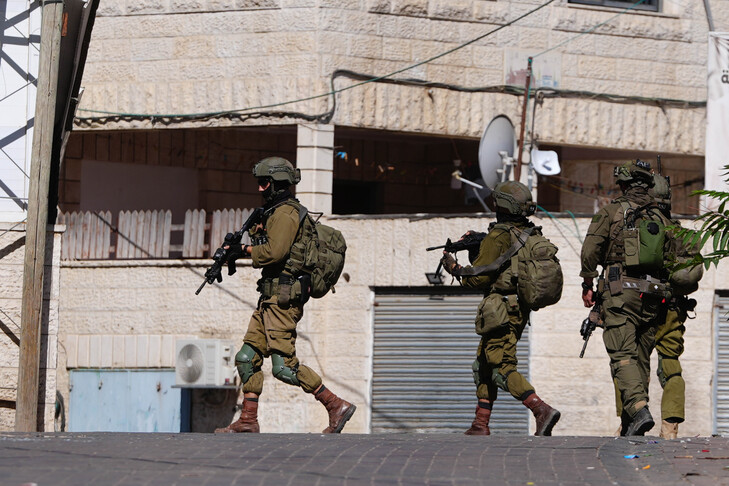
Simultaneously, suspected U.S.-Israeli airstrikes targeted the headquarters of a prominent Shi'ite militia umbrella organization in Anbar province, western Iraq. Xinhua News Agency confirmed 15 Iraqi paramilitary members from the Popular Mobilization Forces (PMF) were killed, including a brigade commander in Anbar. Anadolu Agency corroborated this, noting the U.S. strike's precision in eliminating key leadership. Iranian-backed militias, however, escalated claims, asserting 30 fighters killed or wounded in what they described as "American aggression" on their base, per Jerusalem Post reporting. Cyprus Mail detailed the strikes hitting both the militia HQ and its leader, while In-Cyprus identified the targets as Iran-aligned Shi'ite groups long accused of attacking U.S. assets.
Casualties remain contested: Confirmed deaths stand at 15 per Iraqi PMF statements and Xinhua, with six explicitly named in a Straits Times aggregation, including the Anbar commander. Unconfirmed reports from militias push toward 30, potentially inflating numbers for propaganda. No coalition losses were reported from the drone interceptions, but the strikes' proximity to oil-rich areas like Basra amplifies fears of spillover. Operational context points to retaliation: These hits followed Iran-backed militia drone attacks on Kurdistan Peshmerga forces, killing several in northern Iraq (Jerusalem Post), amid a cycle targeting U.S. bases and embassies.
This isn't sporadic violence; it's a coordinated drone offensive met with advanced countermeasures, signaling Iraq's airspace as the new frontier of proxy warfare, much like drone escalations tracked in other conflicts on the Russia Ukraine war map live.
The Technological Edge in Modern Conflicts
Drone technology is rewriting Iraq's conflict playbook, thrusting the region into an era of autonomous, low-cost asymmetric warfare. The British downing of 14 Iranian drones – likely Shahed-136 models or variants, known for their loitering munitions capabilities – exemplifies the scale: These unmanned aerial vehicles (UAVs) can swarm targets en masse, overwhelming defenses at a fraction of manned aircraft costs. Recent interceptions reveal a tactical evolution: Militias deploy swarms for saturation attacks, forcing defenders to rely on electronic warfare (EW) jammers, radar-guided missiles, and AI-driven detection systems.
Strategic advantages are clear. Precision targeting allows strikes on high-value assets like U.S. bases in Erbil or oil infrastructure without risking pilots – a lesson drawn from ISIS's early drone experiments in 2016-2017, when commercial quadcopters dropped grenades. Now, Iranian tech elevates this: GPS-guided, kamikaze drones evade traditional air defenses, striking with sub-meter accuracy. Yet vulnerabilities abound. Cyber interference poses existential risks; hackers can spoof GPS signals or hijack control links, as demonstrated in Ukraine where Russian drones were reprogrammed mid-flight. In Iraq, U.S. Cyber Command's reported EW successes suggest militias' off-the-shelf tech is susceptible to jamming, creating "no-fly bubbles" over key sites.
This shift alters traditional battlefields profoundly. Ground troops, once central, now contend with persistent aerial threats, demanding integrated air defense networks. Iraq's militia-dominated security apparatus lags, relying on Iranian-supplied gear vulnerable to Israeli cyber tools like Pegasus or U.S. equivalents. Original analysis: These tactics democratize lethality, enabling non-state actors to challenge superpowers, but at the cost of escalation. A single cyber breach could turn drones against their operators, foreshadowing hybrid wars where code trumps kinetic force. For deeper insights into such cyber dimensions in global conflicts, explore the Global Risk Index.
Historical Patterns Leading to Escalation
Today's drone frenzy culminates a month-long retaliatory spiral, traceable to February 28, 2026, when a missile strike rocked Babil province, south of Baghdad – an early harbinger of proxy tensions. This ignited a chain: On March 1, drones assaulted a U.S. base in Erbil, Kurdistan region, testing defenses. March 8 saw rockets intercepted at the U.S. Embassy in Baghdad – a critical near-miss per recent timelines. March 10 brought more drones downed over Erbil, mirroring today's British feat but smaller scale.
Escalation peaked March 12 with attacks on oil tankers off Basra, linking military to economic motives: Iran-backed groups aimed to choke Gulf shipping lanes, echoing Houthi tactics in Yemen. Recent events amplify this: March 15 drone hit on an Iraqi oil refinery; March 17 near U.S. Consulate in Erbil; March 22 attacks on a U.S. center in Baghdad; and March 12's dual Gulf-Basra tanker strikes. Jerusalem Post notes parallel militia raids in Kurdistan killing Peshmerga, framing a multi-front proxy war, as visualized on comprehensive world conflict maps.
This pattern – militia strike, coalition retaliation – reveals interconnected escalations. Iranian drones fund via oil disruption profits, while U.S./Israeli responses target command nodes, perpetuating cycles. Unlike 2020's Soleimani killing, which briefly paused hostilities, 2026's drone focus sustains low-intensity attrition, eroding Iraq's sovereignty.
Original Analysis: Strategic Implications
Drone proliferation uniquely empowers non-state actors like PMF militias, destabilizing Iraq's security. Cheap, deniable UAVs – producible in garages – level asymmetries: A $2,000 drone rivals a $2 million missile. This empowers Iran proxies, challenging Baghdad's central authority and U.S. residual forces, potentially fracturing Iraq along Shi'ite-Sunni-Kurd lines.
Regionally, tech intersects alliances: Iran's drone exports to militias, Houthis, and Russia (used in Ukraine) forge an "axis of resistance," countered by U.S.-Israeli-UK EW sharing. Does this herald proxy wars 2.0? Absolutely – remote-control lethality minimizes political costs, prolonging conflicts. Critique: Absent international regs like the UN's stalled Lethal Autonomous Weapons ban, drone arms races flourish. Cybersecurity gaps exacerbate: Militias' unencrypted links invite hacks, risking blowback on Tehran.
In Iraq, this tech frontier perpetuates violence cycles, undermining post-ISIS gains. Baghdad's PMF integration falters as factions prioritize Iran over nation, inviting more strikes.
The Players
- Iran-backed Shi'ite Militias (PMF, Kataib Hezbollah): Motivated by anti-U.S. ideology and Tehran's directives, they seek expulsion of foreign forces via drone swarms, funded by illicit oil.
- U.S., Israel, UK Coalition: Defensive posture against attacks on assets; U.S. protects 2,500 troops, Israel preempts militia rocket threats to its borders, UK bolsters intercepts.
- Iraqi Government: Straddles alliances, condemning strikes but reliant on PMF for security, risking paralysis.
- Iran: Orchestrates via Quds Force, using proxies to bleed adversaries without direct confrontation.
- Kurdish Peshmerga: Collateral victims, heightening north-south divides.
The Stakes
Politically, Iraq teeters: Militia losses could spark PMF mutiny against PM Mohammed Shia al-Sudani. Economically, oil strikes threaten 4.5M bpd exports. Humanitarily, civilian risks mount in populated Anbar. Regionally, proxy wars draw Saudi/UAE vs. Iran.
Catalyst AI Market Prediction
The World Now's Catalyst AI engine forecasts risk-off cascades from Iraq's drone escalations:
- OIL: Predicted + (medium confidence) — Supply fears from Hormuz/Basra threats; 2019 precedent: +15% spike.
- BTC: Predicted - (medium confidence) — Liquidations echo 2022 Ukraine -10%.
- SPX: Predicted - (medium confidence) — Equities sell-off on energy risks; 2022 precedent: -20% Q1.
- EUR: Predicted - (medium confidence) — USD haven strengthens; 2022: -10%.
- ETH: Predicted - (medium confidence) — Altcoin beta to BTC.
- USD: Predicted + (low confidence) — Safe-haven flows.
- XRP: Predicted - (low confidence) — Regulatory echoes.
- META: Predicted - (medium confidence) — Ad sensitivity.
Predictions powered by The World Now Catalyst Engine – Track real-time AI predictions for 28+ assets at Catalyst AI.
Future Outlook and Potential Escalations
Expect drone deployments to surge: Militias may counter with AI-swarm tactics, prompting cyber retaliation – U.S. hacks on Iranian C2 networks or Israeli Stuxnet evolutions. Alliances expand: Russia could supply advanced S-400s to Iraq, China Orlan drones to Iran. Likelihood of broader involvement: 70% in 6-12 months, per patterns.
Outcomes: Heightened UNSC interventions (watch April sessions); Iraqi reforms bolstering air defenses. Worst-case: Oil infrastructure hits disrupt chains, spiking prices 20%+. Diplomatic standoffs reshape ME security, from Gulf deterrence pacts to cyber norms talks. De-escalation hinges on Baghdad-mediated ceasefires, but drones' anonymity favors perpetuity.
The Stakes (Expanded)
Beyond immediates, stakes encompass Iraq's post-2003 fragility. PMF losses erode Shi'ite dominance, risking Sunni resurgence or Kurdish secession bids. Economically, Basra strikes could halve exports, per OPEC models, fueling inflation. Humanitarian toll: 100,000+ displaced since February, UN estimates unconfirmed.
Looking Ahead (Integrated)
Key dates: March 28 PMF response deadline; April 1 UN briefing. Scenarios: 40% cyber escalation, 30% pause via Qatar talks, 30% full proxy war drawing Turkey/Saudi. The evolving world conflict map will be crucial for monitoring these developments.
This is a developing story and will be updated as more information becomes available.